How to Prune Common melastoma?
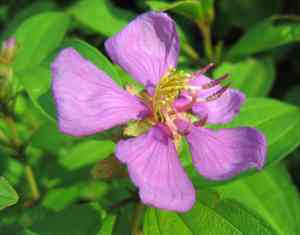
Celebrated for its vivid violet blossoms and bushy development, common melastoma flourishes with consistent trimming. Essential methods involve excising lifeless or ailing branches and reducing crowded sections to improve air movement. Trim common melastoma during the dormant winter period to encourage spring development and floral display. Particular advantages of pruning common melastoma encompass preserving a dense form and fostering more abundant flowering, vital for this rapidly expanding variety that might otherwise become elongated. Refrain from drastic cutting to avert plant distress.
Advantages of Trimming Common Melastoma
Advantages of Trimming Common Melastoma
Trimming common melastoma encourages robust development and maintains its form, leading to a healthier specimen capable of producing more flowers. It also aids in preventing congestion, improving air movement to lower disease risk.
Optimal Period for Pruning Common Melastoma
Optimal Period for Pruning Common Melastoma
Pruning common melastoma from late winter to early spring is beneficial as this timing coincides with the end of its dormant phase and just before the onset of its new growth cycle. This window allows gardeners to shape the plant and remove any damaged or diseased branches without hindering upcoming growth. Since common melastoma blooms on new wood, cutting it back at this time stimulates vigorous new growth, which in turn leads to more abundant flowering. Pruning in late winter minimizes the chance of frost damage to fresh cuts and ensures that the wound healing process begins efficiently with rising temperatures.
Tools Required for Pruning Common Melastoma
Hand Pruners
Essential for making accurate cuts on common melastoma's thinner stems and branches, enabling careful shaping and removal of compromised or unhealthy material.
Lopping Shears
Perfect for cutting thicker branches of common melastoma that might be too large for hand pruners, ensuring clean cuts without harming the plant.
Pruning Saw
Needed for severing the largest branches of common melastoma when shaping or managing its structure, especially if it has grown into a substantial shrub.
Hedge Shears
Useful for shaping and maintaining the dense foliage of common melastoma, helping to create an even and visually appealing outline.
Cleaning Supplies
Includes sanitizers for tools to prevent the spread of diseases between cuts and to common melastoma, ensuring the plant's well-being.
Gloves
To safeguard the gardener's hands from thorns and sap while working with common melastoma, which might cause skin irritation or injury.
How to Prune Common Melastoma
Sanitize Tools
Before beginning to prune common melastoma, disinfect pruning implements with isopropyl alcohol or a 10% bleach solution to prevent disease transmission.
Remove Dead Material
Identify and eliminate any dead branches from common melastoma by cutting at their base where they emerge from the main stem or from healthy tissue, making a clean angled cut to encourage water runoff and deter disease.
Remove Diseased Material
Cut away diseased branches from common melastoma, ensuring to remove the entire affected area plus some healthy tissue to guarantee all diseased parts are completely eliminated.
Disinfect After Cut
Re-sterilize the pruning tools immediately after cutting diseased material from common melastoma to prevent contamination to other parts of the plant or to other plants.
Proper Disposal
Dispose of the removed dead and diseased branches from common melastoma far from healthy plants or compost to avoid spreading any potential pathogens.
Common Pruning Errors with Common Melastoma
Excessive Pruning
Removing too much foliage from common melastoma at once can stress the plant, reducing its ability to photosynthesize and leading to poor health and fewer blooms.
Insufficient Pruning
Failing to remove enough old or dead material can result in a cluttered and poorly ventilated plant structure, which may attract pests and diseases.
Incorrect Cut Placement
Cutting too far from or too close to the bud can either leave a stub that risks disease or damage the bud, affecting common melastoma's growth and flowering.
Neglecting Tool Sanitization
Using unsanitized pruning tools can spread diseases between plants, which is particularly harmful to common melastoma due to its susceptibility to certain fungi and pathogens.
Ignoring Plant Form
Random or careless cutting, without considering the natural shape of common melastoma, can result in an aesthetically unpleasing appearance and potentially hinder its growth.
Common Pruning Advice for Common Melastoma
Understand The Plant
Familiarize yourself with common melastoma's growth habits and flowering patterns to make informed pruning decisions that promote healthy growth and blooming.
Utilize Sharp Tools
Ensure pruning tools are sharp to make clean, precise cuts that heal quickly, minimizing stress and the risk of disease for common melastoma.
Clean Cut Angle
Make cuts at a slight angle just above outward-facing buds to encourage outward growth, enhance air circulation, and prevent water from pooling on the cut surface, which could lead to rot.
Thinning
Thin out older stems to allow light to penetrate common melastoma's interior, encouraging new growth and flowering from the base and center of the plant.
Deadheading
Regularly remove spent flowers (deadheading) to stimulate common melastoma to produce more blooms and maintain a tidy appearance.
Health Maintenance
Regularly inspect and remove any dead, damaged, or diseased branches to maintain common melastoma's health and vigor.



