Enhancing Your Garden Design with the Common melastoma Plant: A Landscaping Guide
1
Adding Common melastoma to your garden can greatly improve its aesthetic charm.
2
Common melastoma flourishes optimally in particular spots and alongside appropriate companion flora.
3
Regular upkeep is crucial for maintaining Common melastoma's lively appearance throughout the year.
An Overview of Common Melastoma in Garden Design
Understanding the Appeal of Common Melastoma in Contemporary Gardens
In recent years, Common Melastoma has become a favorite among gardening enthusiasts and landscape architects. Its vivid blossoms and rich foliage make it a top choice for enhancing garden beauty. Gardeners value its adaptability and how easily it fits into various design styles. Whether aiming for a tranquil sanctuary or a lively, colorful area, Common Melastoma offers a distinct mix of grace and durability to meet diverse landscaping needs.
The Aesthetic Contribution of Common Melastoma to Your Garden
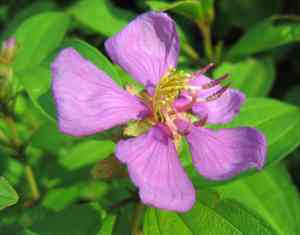
The visual allure of Common Melastoma is undeniable. Its bright, striking flowers can serve as focal points or form stunning floral borders. These blooms not only add a burst of color but also introduce depth and texture to garden compositions. When in full bloom, Common Melastoma captures attention and fosters a vibrant, welcoming atmosphere. You can combine Common Melastoma with other plant species for contrast, or use it as a solitary centerpiece to highlight its splendor.
Strategic Planting of Common Melastoma
Optimal Sites for Cultivating Common Melastoma
Selecting the correct location for Common Melastoma is vital for its best growth and visual impact. Ideally, it flourishes in spots receiving partial to full sunlight. Ensure the soil drains well to prevent water accumulation, which can harm roots. Position Common Melastoma where it can be easily seen and admired, such as along paths, near entrances, or in garden beds that get direct sunlight. These placements not only support healthy development but also fully display the plantâs beauty.
Companion Plants for Common Melastoma
To achieve a balanced garden layout, it's important to consider plants that complement Common Melastoma. Think about plants with contrasting leaf and flower colors to create an engaging and dynamic visual. Grasses and shrubs of varying heights can also add an interesting layer to the garden design. Excellent companions are those that bloom at different times of the year, ensuring your garden stays vibrant and colorful throughout the seasons. Choose plants with similar care requirements to simplify maintenance.
Seasonal Considerations for Common Melastoma
Best Times of Year to Plant Common Melastoma
Timing is crucial when planting Common Melastoma for optimal outcomes. The ideal seasons for planting Common Melastoma are spring and autumn. During these periods, temperatures are moderate, and the soil retains moisture more effectively, aiding the plant in establishing strong roots. Avoid planting during extreme weather, such as peak summer or the coldest part of winter, to give Common Melastoma the best chance for healthy growth and development.
Adjusting Landscaping Plans According to Seasons
Modifying your landscaping plans with the changing seasons ensures Common Melastoma remains a lively part of your garden all year. In spring and summer, focus on nurturing blooms and keeping the soil fertile. Fall is an excellent time for pruning and preparing the plant for colder temperatures. During winter, ensure Common Melastoma is protected from frost and cold snaps, which can damage delicate parts of the plant. Adjusting your care routine seasonally will keep Common Melastoma healthy and looking its best.
Landscape Design Advice with Common Melastoma
Integrating Common Melastoma into Themed Designs
Incorporating Common Melastoma into your themed garden designs can enhance overall aesthetics and thematic consistency. For a tropical garden theme, pair Common Melastoma with other exotic plants and large-leafed foliage to create a lush, vibrant setting. For a minimalist design, use Common Melastoma sparingly as focal points, keeping other elements simple and uncluttered. The adaptability of Common Melastoma makes it suitable for various themes, whether a formal garden, a cottage garden, or a modern landscape.
Minimalist vs. Abundant Approaches with Common Melastoma
When designing with Common Melastoma, you can opt for either a minimalist or an abundant approach. For a minimalist design, consider using Common Melastoma in clean, simple arrangements with ample open space to highlight the plantâs form and color. This method emphasizes quality over quantity, creating a serene and orderly environment. Conversely, an abundant approach involves planting Common Melastoma generously alongside a diverse array of other plants to create a dense, vibrant garden. Both styles have their unique charm and can be customized to fit your personal preferences and garden size.
Care and Upkeep for Common Melastoma
Fundamental Maintenance Tips for Common Melastoma
Maintaining Common Melastoma involves a few straightforward, yet crucial practices. Regular watering, especially during dry periods, is essential to keep the plant hydrated. However, avoid excessive watering as it can lead to root rot. Pruning is another key aspect; trim back any dead or overgrown branches to encourage new growth and keep Common Melastoma looking neat. Additionally, applying a balanced fertilizer during the growing season can provide the necessary nutrients for robust blooms and foliage.
Typical Issues in Managing Common Melastoma in Landscapes
While Common Melastoma is relatively easy to care for, gardeners may occasionally encounter difficulties. A common problem is pest infestations, which can be managed using eco-friendly insecticides or by introducing natural predators. Another challenge is disease, often caused by fungi or bacteria; ensuring good air circulation and avoiding waterlogged soil can help prevent these issues. Regular observation and prompt action can alleviate most problems, ensuring Common Melastoma remains a healthy and attractive feature in your garden.



