How to Propagate Common melastoma?
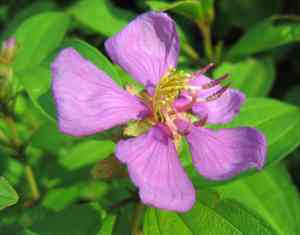
Originating from tropical climates, common melastoma is recognized for its vivid violet blossoms and vigorous development. Its reproduction is most effective via stem sections. Cultivators ought to choose robust, non-blooming stems for this procedure. These sections can establish roots efficiently when situated in a porous potting blend, maintained in a damp state, and exposed to filtered sunlight. Diffused illumination fosters ideal root formation. Guaranteeing a steady atmosphere with uniform moisture will assist in the swift acclimatization of new common melastoma.
Optimal Propagation Period for Common Melastoma?
Propagation Method
Cutting
Propagation Period
Autumn,Winter
Tools for Propagating Common Melastoma?
Sharp Pruning Shears
These are vital for making clean, precise cuts when taking cuttings from common melastoma. Sharp blades prevent damage to the parent plant and improve rooting success by minimizing tissue trauma.
Rooting Hormone Powder
This product enhances root development in common melastoma cuttings. Applying it to the cut end before planting promotes quicker, stronger root growth, boosting overall propagation success.
Sterile Potting Mix
A well-draining, sterile potting mix is essential for rooting common melastoma cuttings. It prevents fungal and bacterial growth, which can harm young roots, reducing disease risk and ensuring a healthy start for new plants.
Humidity Dome or Plastic Cover
Maintaining high humidity is crucial for common melastoma cuttings, preventing them from drying out before roots form. A dome or cover traps moisture, creating an ideal humid environment.
Heating Mat
Providing gentle bottom heat with a heating mat stimulates root growth in common melastoma cuttings by maintaining an optimal temperature. This is especially useful in cooler climates or seasons when ambient temperatures might hinder root development.
How to Propagate Common Melastoma?
Propagation Difficulty
Moderately Difficult
Caring for Your Newly Propagated Common Melastoma?
Caring for Your Newly Propagated Common Melastoma?
Once roots are established, gradually acclimate common melastoma to lower humidity by progressively removing the plastic cover over several days. Transplant rooted cuttings into individual pots with rich, well-draining soil, placing them in partial shade. Keep the soil consistently moist and provide monthly balanced, water-soluble fertilizer during the growing season. Avoid direct sunlight and protect common melastoma from extreme temperatures and strong winds.
Common Propagation Errors for Common Melastoma
Overwatering
Excessive watering can cause root rot in common melastoma, as its roots are highly susceptible to waterlogging. This hinders nutrient absorption and can severely impact growth and survival.
Insufficient sunlight
Common melastoma thrives in bright, indirect sunlight. Placing it in overly shady areas can result in weak, leggy growth and reduced flowering, compromising the plant's overall health.
Using non-sterile tools
Failing to sterilize tools before cutting or handling common melastoma can introduce harmful pathogens or fungi, infecting cut sites. This can significantly reduce propagation success.
Tips for Propagating Common Melastoma
Humidity control
Maintaining a humid environment is vital when propagating common melastoma, especially from cuttings. This helps prevent cuttings from drying out before they can establish roots.
Proper cutting technique
Use a sharp, clean cutting tool to make a clean, angled cut on common melastoma. This ensures sufficient surface area for water and nutrient absorption, enhancing root development.
Soil mix
Use a well-draining, fertile soil mix when planting common melastoma cuttings. Good drainage is key to preventing root rot, while fertile soil supports healthy growth and rapid establishment.



