How to Transplant Spotted medick?
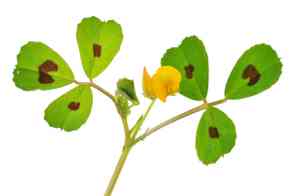
The optimal period for transplanting spotted medick extends from the onset of early spring through the gradual conclusion of late spring, providing stable circumstances for root integration. Select a sun-drenched location featuring effective drainage to foster robust development. Careful manipulation is crucial to safeguard spotted medick's fragile root system throughout the relocation process.
Essential Preparations Before Relocating Spotted Medick
Optimal Period for Transplanting Spotted Medick?
The prime window for moving spotted medick spans from early spring's awakening to the onset of summer. This timeframe leverages mild temperatures and increasing daylight, fostering robust root establishment and development before summer's intense heat. Relocating spotted medick during this period maximizes its chances of thriving, as the moderate climate aids in recovery from transplant shock and promotes stronger growth. By selecting this opportune season, gardeners ensure spotted medick receives the most favorable conditions for a smooth transition into its new location, leading to a lush and vibrant display.
Required Spacing Between Spotted Medick Plants?
For spotted medick, aim for a separation of approximately 6-8 inches (15-20 cm). This provides ample room for each plant to flourish without competing for nutrients, light, or space.
Ideal Soil Blend for Spotted Medick Transplanting?
Your spotted medick will flourish in well-draining soil enriched with compost or a balanced slow-release fertilizer. Prepare your soil by incorporating organic matter to encourage vigorous growth from the outset.
Recommended Location for Your Spotted Medick?
Select a sunny spot where spotted medick can receive at least 6 hours of daily sunlight. Adequate sunlight is vital for optimal growth and will help your plant develop its characteristic features.
Equipment Needed Before Transplanting Spotted Medick?
Gardening Gloves
To safeguard your hands while handling soil and plants.
Shovel or Garden Trowel
For excavating the plant and preparing the new planting site.
Watering Can or Hose
To hydrate the plant before and after relocation.
Wheelbarrow or Plant Dolly
For moving the plant if it's large or if multiple plants are being relocated.
Pruners or Sharp Knife
To trim any damaged roots or foliage prior to transplanting.
Measuring Tape or Stick
To ensure correct spacing between transplanted plants.
How to Extract Spotted Medick from the Soil?
How to Extract Spotted Medick from the Soil?
From Ground: Start by watering the spotted medick plant to moisten the soil and reduce plant stress. Use a shovel or trowel to carefully dig a circle around the plant, being cautious not to harm the roots. Gently slide the shovel beneath the root ball and lift the plant from the soil.From Pot: Water the spotted medick to ensure the soil is damp. Tilt the pot sideways and tap the bottom to loosen the plant. Hold the base of the plant and gently pull it out while supporting the soil and roots.From Seedling Tray: Water the tray to ensure the soil is moist and the seedlings are easier to remove. Use a spoon or a small stick to lift individual seedlings from their cells, taking care not to damage their delicate roots.
Step-by-Step Guide for Relocating Spotted Medick
Preparation
Water the spotted medick plant the day before transplanting to ensure it is adequately hydrated.
Digging the Hole
Using your shovel or trowel, excavate a hole in the ground that is twice as wide and as deep as the plant's root ball.
Root Pruning
Before placing the spotted medick into the hole, lightly trim any damaged or excessively long roots with your pruners or sharp knife.
Placement
Carefully position the spotted medick into the hole, adjusting the depth so the plant sits at the same level it was previously growing.
Filling the Hole
Backfill the hole with soil, gently compacting it around the plant's roots. Be careful not to over-compact the soil; adequate aeration is crucial for healthy root development.
Watering
Thoroughly water the spotted medick to settle the soil around the roots and eliminate any air pockets.
Post-Transplant Care for Spotted Medick
Initial Watering
Water the spotted medick plant generously immediately after transplanting to aid in recovery from transplant shock.
Mulching
Apply a layer of mulch around the base of the spotted medick to help retain soil moisture and regulate temperature.
Support Structures
If the spotted medick is tall or prone to drooping, consider adding stakes or cages for support.
Monitoring
Observe your transplanted spotted medick for signs of stress, such as wilting or discoloration, and adjust care as needed.
Resolving Common Issues with Spotted Medick Transplantation.
What's the optimal time to transplant spotted medick for best growth?
For thriving spotted medick, transplant them from early to late spring, when frost is no longer a concern.
How much space should I leave between spotted medick during transplanting?
Space spotted medick approximately 6-8 inches (15-20 cm) apart to allow sufficient room for growth.
Why are my transplanted spotted medick wilting?
Wilting after transplanting spotted medick may indicate shock. Ensure proper watering and initially avoid direct sun.
What soil type is best for transplanting spotted medick?
Spotted medick thrives in well-draining soil rich in organic matter. Avoid overly heavy clay or sandy soils.
How deep should the planting hole be for spotted medick?
Dig a hole as deep as the root ball and twice as wide to accommodate spotted medick's growth.
Can I transplant spotted medick during summer or fall?
Transplanting spotted medick in summer or fall is not ideal; early to late spring offers them the best start.
How often should I water spotted medick after transplanting?
Water spotted medick thoroughly after transplanting and maintain consistently moist soil for the initial few weeks.
What should I do if spotted medick shows signs of transplant shock?
If spotted medick is in shock, stabilize soil moisture, provide shade, and refrain from fertilizers until recovery.
Why are the roots of my spotted medick rotting post-transplant?
Root rot can occur if spotted medick is overwatered or in poorly drained soil. Adjust your watering schedule.
Can I use mulch when transplanting spotted medick?
Yes, mulch can help spotted medick retain moisture, moderate soil temperature, and reduce weed competition.



