How to Prune Spotted medick?
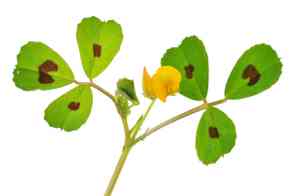
This enduring herbaceous legume, distinguished by its three-part leaves and yellow blossoms with purple spots, needs very little trimming. Essential methods for spotted medick involve removing faded flowers to stimulate further blooming and gentle shaping to preserve its form. The most suitable times for pruning align with periods of vigorous development, preferably in Spring, Summer, or Autumn. Consistent trimming can boost spotted medick's robustness and deter self-propagation, which could result in undesirable dispersal within cultivated areas.
What Are the Benefits of Pruning Spotted Medick?
What Are the Benefits of Pruning Spotted Medick?
Trimming spotted medick promotes robust development and preserves its desired shape. Consistent cutting aids in size management, fosters well-being, and can improve visual appeal.
What Is the Best Time for Pruning Spotted Medick?
What Is the Best Time for Pruning Spotted Medick?
Pruning in Spring aligns with spotted medick's active growth phase post-winter dormancy, encouraging healthy new growth and recovery from cuts. Autumn is also suitable for preparing spotted medick for winter by removing dead or diseased foliage and preventing potential damage from cold weather. Summer pruning is not advised for spotted medick as it may stress the plant during high temperatures and active flowering or fruiting periods.
What Tools Do I Need to Prune Spotted Medick?
Hand Pruners
Perfect for making precise cuts on spotted medick, hand pruners are useful for trimming smaller stems and clearing away any dead or damaged foliage.
Gardening Gloves
To protect hands from thorns and sharp edges while pruning spotted medick, sturdy gardening gloves are essential.
Pruning Shears
Given the clover-like foliage of spotted medick, pruning shears are suitable for shaping and maintaining the desired bushy growth.
Garden Scissors
For thinning out dense patches and deadheading, garden scissors allow for detailed work on spotted medick.
How to Prune Spotted Medick
Clean Equip
Ensure that pruning shears are clean and sharp to prevent damage or disease to spotted medick's foliage. Disinfect tools with alcohol or a bleach solution to kill any pathogens that could infect the plant during pruning.
Identify Withered
Inspect spotted medick to identify all withered or yellowing leaves that no longer contribute to the plant's growth or aesthetics. These leaves are typically found lower on the plant, as they are older and have likely completed their life cycle.
Snip Leaves
Using the pruning shears, carefully snip off each withered leaf at the base, where it connects to the main stem or branch of spotted medick. Make clean cuts to prevent tearing, which can leave the plant vulnerable to disease entry.
Dispose Foliage
Collect the removed foliage, and properly dispose of it, preferably by composting if the leaves are disease-free. This will prevent any potential disease spread or pest attraction around spotted medick.
Monitor Health
After pruning, observe spotted medick over the following weeks for signs of new growth and health, ensuring that the pruning has had a beneficial effect and the plant remains vigorous.
Common Pruning Mistakes with Spotted Medick
Over-Pruning
Removing too much foliage from spotted medick can weaken the plant, making it vulnerable to pests and diseases. Balance is key; pruning should be done to remove dead or diseased parts without excessively reducing the plant's leaf mass.
Improper Tool Use
Using dull or dirty pruning tools can lead to ragged cuts that harm spotted medick. Ensuring the tools are sharp and clean helps make precise cuts and prevents the spread of disease.
Pruning Healthy Growth
Cutting away healthy growth can inhibit spotted medick's vitality. Focus on removing only the parts of the plant that are dead, diseased, or overcrowding others.
Neglecting Plant Shape
Failing to consider the natural form of spotted medick can lead to a misshapen appearance. Prune with the plant's natural shape in mind to maintain aesthetic appeal.
Common Pruning Tips for Spotted Medick
Selective Pruning
Identify and selectively remove dead, damaged, or diseased foliage to promote spotted medick's health. This targeted approach encourages a stronger, more vigorous plant.
Pruning For Airflow
Thinning dense foliage can improve air circulation, which helps to prevent fungal infections in spotted medick. Carefully prune to maintain good airflow without over-thinning the plant.
Cutting Technique
When pruning spotted medick, make clean cuts at a slight angle above a leaf node to encourage new growth. Avoid tearing or crushing the plant tissue, as this can create entry points for disease.
Regular Maintenance
Spotted medick benefits from regular check-ups and light pruning. This maintains the plant's shape and vigor while keeping potential issues manageable. Do not defer pruning until problems become unmanageable.



