How Much Sunlight Do Spotted medick Need?
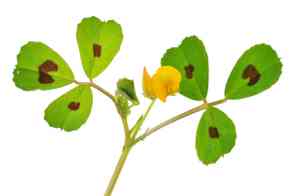
1
Spotted medick flourishes optimally with a minimum of 6 hours of direct sunlight each day.
2
In the summer months, it may be necessary to offer some shade during the peak heat of the day.
3
Inadequate light exposure can result in stunted development and reduced flowering for Spotted medick.
What Kind of Sunlight is Suitable for Spotted medick?
Full Sun Exposure
For optimal development, Spotted medick requires complete sun exposure, meaning a minimum of 6 hours of direct sunlight daily. This plant thrives on the warmth and energy from the sun, which aids in developing robust roots and vibrant foliage.
Partial Shade
While Spotted medick prefers full sun, it can also endure partial shade. In regions with extremely hot summers, providing some afternoon shade can prevent leaf burn and help maintain its moisture levels.
Why Direct Sunlight Matters
Direct sunlight is vital for Spotted medick as it enables photosynthesis, the process where plants convert light into energy. Without adequate direct sunlight, this plant might become elongated and produce fewer blooms.
How to Optimize Sunlight for Spotted medick Growth?
Ideal Daily Sunlight Hours
Spotted medick flourishes with at least 6 to 8 hours of sunlight each day. Morning sunlight is especially beneficial as it's less intense and provides the necessary light without the risk of overheating.
Seasonal Sunlight Adjustments
As seasons change, the sun's position and intensity vary. In spring and autumn, ensure your Spotted medick receives maximum exposure. In summer, consider some midday shade to protect it from scorching. During winter, place the plant in the sunniest available location.
Using Artificial Light Sources
If natural sunlight is insufficient, especially indoors, grow lights can supplement Spotted medick's light requirements. Position the artificial light approximately 30-45 cm (1-1.5 feet) above the plant and operate it for about 12-14 hours daily to simulate natural sunlight.
What Are the Signs of Insufficient or Excessive Sunlight for Spotted medick?
Symptoms of Insufficient Sunlight
If your Spotted medick isn't receiving enough sunlight, you'll observe symptoms like leggy growth, pale or yellowing leaves, and fewer flowers. The plant may also become more vulnerable to pests and diseases due to weakened vitality.
Symptoms of Excessive Sunlight
Conversely, too much direct sunlight can cause leaf scorch, identified by brown, crispy leaf edges. Additionally, the soil can dry out quickly, necessitating more frequent watering to maintain health.
Corrective Measures
To remedy insufficient sunlight, relocate your Spotted medick to a brighter spot, ensuring it gets at least 6 hours of direct light. For excessive sunlight, implement shade solutions such as moving the plant to a protected area during peak sun or installing shade cloth.
Does Spotted medick Need Any Special Sunlight Conditions?
Geographical Variations
Depending on your geographical location, the intensity and duration of sunlight your Spotted medick receives can differ. In northern regions, maximize exposure by placing the plant in the sunniest spot available. In southern regions, some afternoon shade might be necessary during peak summer months.
Microclimate Considerations
Microclimates in your garden can influence sunlight exposure. For instance, planting near reflective surfaces like walls or fences can increase light exposure, while nearby trees and structures can cast shadows. Be aware of these factors when selecting a planting spot for Spotted medick.



