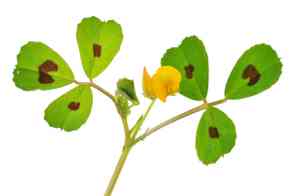
Spotted medick(Medicago arabica)

Spotted medick (Medicago arabica)

Also known as: Spotted burclover

**Identifying Features of Spotted Medick (Medicago arabica):**
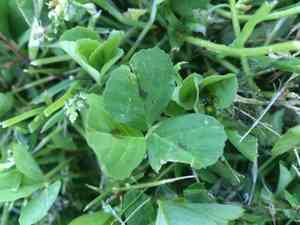
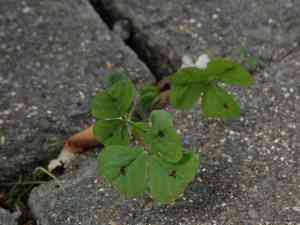
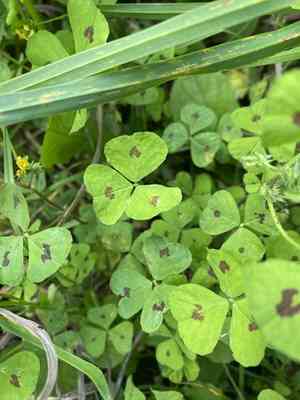
1. **Leaves**: Characterized by three leaflets, each with a unique dark spot.
2. **Flowers**: Bears small yellow blooms, typically seen from spring to summer.
3. **Seed Pods**: Features coiled pods that are covered in spines and turn brown upon maturity.
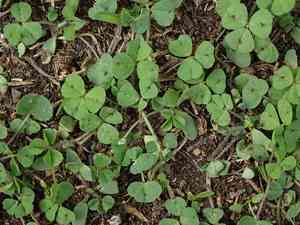
4. **Growth Habit**: Forms a low-growing, spreading mat.

**Growing Conditions:**
1. **Soil**: Prefers soils that are well-drained but can adapt to a range of soil types.
2. **Sunlight**: Grows best in full sun but can tolerate partial shade.
3. **Water**: Requires moderate watering but is drought-tolerant once established.
4. **Climate**: Suited to temperate climates and can handle mild frost.

Spotted medick is commonly found in grasslands, roadsides, and disturbed areas. It enhances soil nitrogen levels and serves as a good cover crop. Additionally, it attracts bees and benefits livestock.

Attributes of Spotted medick

Lifespan
Annual, Perennial
Plant Type
Herb
Plant Height
40 cm to 65 cm
Spread
15 cm to 30 cm
Leaf Color
Green Blue
Flower Size
2.5 cm
Flower Color
Yellow

ForwardPlant - Identify plants with a snap

Identify and diagnose plants, get toxicity alerts, and explore safety guides for all types of fungi.

Try for Free

Images of Spotted medick

Spotted medick(Medicago arabica)

Quickly Identify Spotted medick

1
Identifiable by its trifoliate leaves with black spots, yellow flowers, and distinctive coiled seed pods.

Scientific Classification of Spotted medick

Phylum
Vascular plants
Class
Dicotyledons
Order
Fabales
Family
Legume
Genus
Medicks
Species
Spotted medick

Planting and Growing of Spotted medick

Care Difficulty
Easy
Watering Schedule
Every 4 days
Sunlight Requirements
Full sun
Sunshine Duration
4-6 hours
Ideal Temperature
60-77℉
Soil Type
Potting Mix, Peat Mix
Soil pH
6.5-7.5
Fertilizer Type
Balanced
Pruning Season
Spring, Summer
Pruning Area
Branches, Leaves
Pruning Frequency
2 times a year
Repotting Season
Spring
Pot Type
Plastic, Ceramic

water icon How to Water Spotted medick?

For Medicago arabica, ensure thorough watering until water drains out from the pot's bottom to encourage deep root growth. However, the soil should not be left waterlogged, as this could harm the plant.
What are the symptoms of an underwatered Spotted medick? ›
What should I do if my Spotted medick is not getting enough water? ›
What are the symptoms of an overwatered Spotted medick? ›
How to save an overwatered Spotted medick? ›

sunlight icon What Are the Sunlight Requirements for Spotted medick?

Sunlight Requirements: Full sun, Partial sun
Duration of light: 6-8 hours per day
Medicago arabica prefers a light range of full sun to partial sun, ideally between 6 to 8 hours. Ideal light promotes vigorous growth, strong foliage, and improves the plant's resilience against pests and diseases.
What is the ideal lighting for Medicago arabica? ›
How can you ensure Medicago arabica gets the ideal light? ›
What are the benefits of ideal lighting for Medicago arabica? ›
More About Sunlight Requirements Techniques→

temperature icon What Is the Ideal Temperature Range for Spotted medick?

Ideal Temperature: 60 ~ 77℉
Medicago arabica thrives optimally in a temperature range of 60 to 77 degrees Fahrenheit. This range ensures adequate growth and development, providing the conditions needed for the plant's biological processes to occur efficiently. Temperatures within this range promote photosynthesis, respiration, and nutrient uptake, which are vital for the overall health and vigor of the plant.

soil icon What Soil is Best for Spotted medick?

Soil type: Sandy soil, Loam, Clay soil
Soil PH: 6.5 ~ 7.5
Medicago arabica thrives best in nutrient-rich soils, which provide essential macronutrients and micronutrients necessary for its growth. Rich soils enhance nitrogen fixation, benefiting the plant's growth and health. This plant requires well-drained soil to prevent root rot and ensure optimal water uptake. Proper drainage facilitates healthy root development and prevents waterlogging, which can be detrimental. Maintaining a soil moisture level that is not too dry or too wet is crucial. This balance allows for proper growth, ensuring that the plant absorbs water and nutrients effectively from the soil.

fertilize icon How to Fertilize Spotted medick?

Fertilizer type: Balanced
For Medicago arabica, applying liquid fertilizer at a concentration of half the recommended strength is ideal. Use about 1-2 tablespoons per gallon of water. For slow-release fertilizers, apply approximately 1 ounce per square foot of soil surface during the spring.

prune icon How to Prune Spotted medick?

Pruning Time: Spring, Summer
Begin by inspecting the plant for dead or damaged stems, which should be removed first. Trim back any overly long or leggy stems to maintain a compact shape. Use angled cuts to facilitate new growth. Always cut above a leaf node to encourage bushier growth. Focus pruning efforts during the active growing seasons of spring and summer. Regularly monitor the plant for signs of overgrowth or disease. Prune early in the morning or late in the afternoon to minimize stress on the plant due to sun exposure. More About Pruning Techniques→

propagate icon How to Propagate Spotted medick plant?

Propagate Time: Spring, Early spring, Late spring
1
Harvest seeds from mature Medicago arabica pods. Thoroughly dry the seeds before storing them in a cool, dry place for optimal germination.
2
For seeds, plant them in a prepared seed tray with well-draining soil. For cuttings, select a healthy stem and make a clean cut using pruners.
3
Ensure consistent moisture and indirect sunlight to encourage germination and root development. Maintain a warm temperature to foster growth.
More About Propagating Techniques→

repot icon How to Repot Spotted medick plant?

Repotting frequency: Every 2-3 years
1
Medicago arabica shows clear signals when it needs repotting. Look for roots growing out of the drainage holes, soil that dries out too quickly, or a noticeable slowdown in growth. These signs suggest the plant has outgrown its current home and is ready for more space to thrive.
2
Select a pot that is one size larger than the current one to give your Medicago arabica room to grow, with ample drainage holes. A slightly bigger pot prevents root bound conditions while avoiding water retention issues that oversized pots may cause. This ensures healthy growth and proper nutrient uptake.
3
Opt for a well-draining loamy soil mix, enriched with organic matter to support healthy root growth and prevent waterlogging. This composition improves aeration, retains essential nutrients, and promotes efficient drainage, making the environment ideal for Medicago arabica’s root health and overall vigor.

ForwardPlant - Identify plants with a snap

Find the best spots for them to optimize their health, simply using your phone.

Try for Free