How to Transplant White horehound?
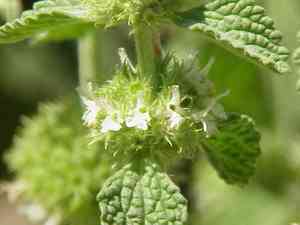
The ideal period for relocating white horehound is in the active phase of spring, as moderate temperatures facilitate root development. Select a bright spot with soil that drains effectively to guarantee the most robust growth after transplantation.
What Preparations are Needed Before Transplanting White Horehound?
What is the Ideal Time for Transplanting White Horehound?
Looking for the perfect moment to relocate white horehound? Target the vibrant period of early to mid-spring. The mild weather during this time supports robust root development without the harshness of summer heat. Moving white horehound during this window ensures a smooth transition for your plant, boosting its vigor before warmer temperatures arrive. Embrace this timing; it naturally suits white horehound, setting the stage for a flourishing growth cycle.
How Much Space Should You Leave Between White Horehound Plants?
For the initial placement of white horehound, ensure adequate spacing! Plan to position your young plants approximately 2-3 feet (60-91 cm) apart. This provides ample room for expansion, allowing roots to spread and aerate.
What is the Best Soil Mix for White Horehound Transplanting?
Begin by preparing the ground. White horehound adapts well to various soil types, but well-draining soil is optimal. Additionally, incorporating some organic compost or a balanced all-purpose fertilizer will enhance the plant's nourishment, leading to healthier development.
Where Should You Relocate Your White Horehound?
When considering a new spot, white horehound thrives in sunlight! Select a location where your plant will receive full sun for most of the day. Don't worry if it's not completely sun-drenched; it can also tolerate light shade.
What Equipments Should You Prepare Before Transplantation White Horehound?
Gardening Gloves
To shield your hands from soil and abrasions while tending to the plant.
Trowel
To gently lift the plant from its original spot and to excavate a hole in the new location.
Spade
This can be utilized to dig larger holes for more mature white horehound plants.
Hand Pruners
To trim any damaged or dead roots and stems.
Garden Hose or Watering Can
To hydrate the plant after its relocation.
Organic Mulch
To help retain soil moisture after transplanting and to inhibit weed growth.
How Do You Remove White Horehound from the Soil?
How Do You Remove White Horehound from the Soil?
From Ground: First, lightly water the white horehound plant to slightly loosen the soil, making extraction easier. Then, using a trowel or spade, carefully dig around the plant, ensuring the root ball remains undamaged. Gently lift the plant from its initial position, keeping the root ball intact.From Pot: Moderately water the white horehound. Then, turn the pot sideways while carefully pulling the plant out by its base. If it resists, run a knife or trowel along the inner edge of the pot to free the root ball.From Seedling Tray: Lightly water the white horehound. Carefully remove the seedling by lifting from its base. Be sure not to pull the plant, as this can harm the roots.
Step-by-Step Guide for Transplanting White Horehound
Preparation
Prepare the new planting site. It should be roughly twice the width and the same depth as the root ball of your white horehound. This allows the roots to spread easily.
Placing the Plant
Carefully position your white horehound in the hole. The top of the root ball should be level with the soil surface.
Backfilling
Gently refill the hole with the excavated soil. Ensure any air pockets in the soil are eliminated by gently pressing the soil around the plant's base.
Watering
Immediately water the white horehound thoroughly after transplanting. This helps to settle the soil and hydrate the plant.
Mulching
Apply a layer of mulch around the plant, but not touching the stem, to help retain soil moisture and reduce weed competition.
How Do You Care For White Horehound After Transplanting?
Pruning
Immediately after transplanting, lightly prune the white horehound to lessen the stress of relocation on the plant.
Watering
Provide consistent moisture to the white horehound, especially during dry periods, for the first season following the transplant.
Mulching
Replenish the mulch as needed, which aids in water conservation and weed suppression.
Observation
Closely monitor your white horehound in the days after transplant. If you observe wilting or discoloration, it might be suffering from transplant shock.
Troubleshooting Common Issues with White Horehound Transplantation.
When is the best season to transplant white horehound?
The optimal time to transplant white horehound is between late spring and early summer (S2-S3). The mild weather during these seasons is perfect for its successful relocation.
What is the ideal spacing for white horehound in the garden?
Plant white horehound at intervals of 2-3 feet (60-91 cm) apart. This provides each plant ample space to expand and grow without competing for resources.
Why are my transplanted white horehound plants wilting?
Excessive wilting could be due to insufficient water or shock from the transplanting process. Immediately after transplanting, ensure you water white horehound deeply enough to reach the plant's root zone and keep the soil moist.
My white horehound isn't growing as expected after transplanting. Why?
White horehound may be experiencing transplant shock, a common issue when plants are moved. Keep the soil adequately moist and ensure it's situated in full to partial sunlight to alleviate the shock and enhance growth.
Is it necessary to prune white horehound when transplanting?
Not strictly required, but it's a beneficial practice! A light pruning of white horehound when transplanting can help reduce the plant's stress and encourage new growth.
Should I fertilize white horehound right after transplanting?
Refrain from fertilizing until you observe new growth on white horehound. This typically indicates the plant has overcome transplant shock and is ready for additional nutrients.
Why are the leaves of my transplanted white horehound turning yellow?
Yellowing leaves could indicate overwatering or a nutrient deficiency. Double-check your watering habits and consider testing the soil. If necessary, amend the soil and maintain an optimal watering schedule.
Can I transplant white horehound in full bloom?
Ideally, transplant white horehound before it flowers to prevent stress that could hinder its blossoming. However, if essential, white horehound can endure a transplant even in full bloom, provided you handle it gently.
What to do if the transplanted white horehound's leaves are turning brown at the edges?
Browning leaf edges may result from a lack of humidity or underwatering. Increase watering frequency and try to maintain a humid environment around white horehound if it's indoors.
The transplanted white horehound is not flowering. What could be the problem?
White horehound may not bloom if it's not receiving sufficient sunlight. Ensure white horehound is placed in an area that gets full to partial sunlight. Also, avoid excessive fertilization, which promotes leafy growth over blooms.



