How to Overwinter White horehound
1
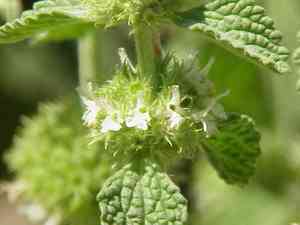
White horehound is a robust perennial recognized for its therapeutic qualities and ability to withstand cold environments.
2
Appropriate mulching aids White horehound in moisture retention and root insulation over winter.
3
When overwintering indoors, ensure White horehound gets sufficient light and is kept in a cool, yet unfrozen, area.
Understanding Frost Hardiness of White horehound
Understanding Frost Hardiness of White horehound
White horehound (Marrubium vulgare) is a robust perennial herb that flourishes in diverse climates, including colder regions. It can endure freezing temperatures, making it resilient throughout the winter. Comprehending its tolerance to low temperatures is vital for ensuring its healthy survival over winter. This plant can withstand temperatures down to approximately -15°C (5°F) with proper care. Knowing this hardiness range will aid in making informed decisions as winter approaches.
Preparing White horehound for Winter
Is Pruning White horehound Essential for Overwintering?
Trimming White horehound before winter's arrival isn't strictly necessary, but it can be advantageous. Pruning helps remove any damaged or diseased sections of the plant, which can lessen the risk of pests and illness during dormancy. Furthermore, pruning can help maintain a manageable size, making the plant easier to safeguard during severe weather. The optimal time to prune is in late autumn, just before the first frost, to ensure the plant is in prime condition to endure the cold.
Watering Needs before the Frost
Ensuring White horehound is adequately hydrated before winter begins is critical. In the weeks preceding the initial frost, thoroughly water the plant to ensure the soil is moist but not waterlogged. Since water acts as an insulator, this helps shield the roots from freezing temperatures. Be careful not to overwater, as saturated soil can lead to root rot, especially when temperatures drop.
Mulching and Soil Preparation
To ready White horehound for winter, a key step is mulching. A thick layer of mulch (around 5-8 cm or 2-3 inches) at the plant's base can provide excellent insulation for the roots. Use organic materials such as straw, leaves, or bark chips. This mulch helps regulate soil temperature and retain moisture during the dry winter months. Additionally, mulch can reduce weed growth, which might compete with your plant for resources.
Monitoring Health and Addressing Issues
Signs of Stress in Overwintered White horehound
Overwintered White horehound may exhibit signs of stress, which can include yellowing foliage, wilting, or stunted development. These symptoms can stem from various factors like excessive watering, insufficient light, or pest infestations. Regularly monitoring your plant can help you detect these problems early and take prompt corrective actions.
Treating Common Winter Issues
Typical winter problems for overwintering White horehound include root rot, pests, and nutrient deficiencies. To address root rot, ensure proper drainage and reduce watering frequency. For pests, use insecticidal soap or neem oil. If nutrient deficiencies are suspected, a diluted, balanced fertilizer can be applied. Always tackle any issues promptly to give your White horehound the best chance of thriving through winter.



