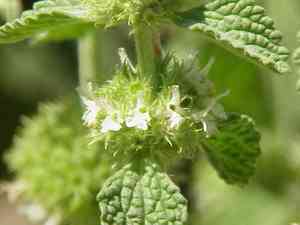
White horehound (Marrubium vulgare)
Also known as: Common horehound
White horehound (Marrubium vulgare) is a perennial herb often regarded as a weed. Known for flavoring candies and beverages, it features small white flowers that bloom from early summer to late fall. It thrives in full sun and is a magnet for bees.
In This Article
Attributes of White horehound
Lifespan
Perennial
Plant Type
Herb
Plant Height
30 cm to 91 cm
Spread
50 cm
Leaf Color
Green
Flower Size
1-1.5 cm
Flower Color
White
Images of White horehound

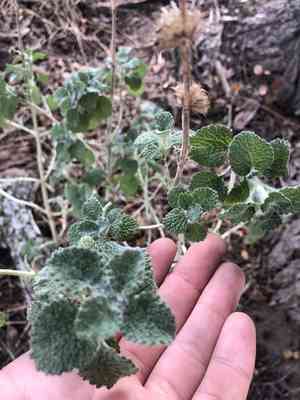
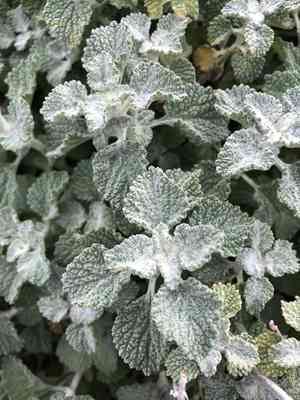
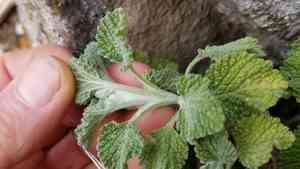
Quickly Identify White horehound
1
Distinctive woolly appearance from grayish-white downy foliage.
2
Oval leaves with serrated edges, pungent scent when crushed.
3
Small tubular white flowers in dense whorls along upper stem.
4
Leaf texture: velvety due to white hairs, crinkled with scalloped edges.
5
Flowers emit mild, pleasant scent, bloom late spring to early summer.
Scientific Classification of White horehound
Phylum
Vascular plants
Class
Dicotyledons
Order
Lamiales
Family
Mint
Genus
Horehound
Species
White horehound
Planting and Growing of White horehound
Care Difficulty
Easy
Watering Schedule
Every 3 days
Sunlight Requirements
Full sun
Sunshine Duration
6-10 hours
Ideal Temperature
68-77℉
Soil Type
Potting Mix, Peat Mix
Soil pH
6.5-8
Fertilizer Type
Balanced
Pruning Season
Spring, Summer
Pruning Area
Branches, Leaves
Pruning Frequency
Once a year
Repotting Season
Spring
Pot Type
Plastic, Ceramic
 How to Water White horehound?
When watering Marrubium vulgare, the goal is to moist the soil thoroughly without waterlogging. Pour 500ml of water slowly so it can penetrate deeply, but make sure the top inch of the soil dries out before the next watering session. This simulates the plant's natural conditions and encourages deep root growth.
What are the symptoms of an underwatered White horehound?
›
What should I do if my White horehound is not getting enough water?
›
What are the symptoms of an overwatered White horehound?
›
How to save an overwatered White horehound?
›
 What Are the Sunlight Requirements for White horehound?
Marrubium vulgare flourishes under full sun, offering ideal conditions for robust growth. Adequate light boosts foliage density and aromatic oil production, enhancing its therapeutic uses.
More About Sunlight Requirements Techniques→
Optimal Duration
›
Solution
›
Benefit
›
 What Is the Ideal Temperature Range for White horehound?
For optimal growth, Marrubium vulgare thrives best within a temperature range of 68 to 77°F. Providing this range ensures the plant's development and health is supported, as it aligns with its natural adaptability and physiological processes.
 What Soil is Best for White horehound?
Marrubium vulgare thrives in well-drained soil as it prevents waterlogging, which can lead to root rot. Good drainage ensures the plant gets the necessary amount of air and reduces the risk of diseases. This is crucial for maintaining healthy root systems. While Marrubium vulgare is hardy, providing a nutrient-rich soil can enhance its growth and vitality. Nutrients support lush foliage and robust stem development, helping the plant to better resist pests and environmental stressors. This plant prefers soils that are neutral to slightly alkaline. A soil pH in the 6.5 to 8.0 range helps in the optimum uptake of nutrients, promoting healthy growth and vibrant foliage, which is critical for its medicinal properties.
 How to Fertilize White horehound?
For Marrubium vulgare, a modest amount of balanced fertilizer is sufficient. Use about one-half to one teaspoon of liquid fertilizer diluted in water per plant. For solid fertilizers, apply approximately 2-3 tablespoons per plant at a time.
 How to Prune White horehound?
Begin by cutting away any dead, damaged, or diseased stems back to the base of the plant. This helps stimulate new growth and maintain overall plant health. Prune Marrubium vulgare into a compact, bushy shape by trimming overgrown stems to just above a set of leaves or a node. This stimulates branching and creates a fuller appearance. During blooming season, deadhead spent flowers regularly to encourage repeat blooming and prolong the flowering period. This keeps the plant looking vibrant and fresh.
More About Pruning Techniques→
 How to Propagate White horehound plant?
1
For seed propagation, prepare a well-draining soil mix by combining equal parts of potting soil, sand, and perlite. This mixture ensures adequate drainage and prevents waterlogging, which is crucial for preventing root rot and promoting healthy seedling development.
2
Distribute Marrubium vulgare seeds evenly on the surface of the seed tray. Lightly cover them with a thin layer of soil, ensuring good seed-to-soil contact. Mist the surface gently with water and place the tray under indirect sunlight.
3
For cutting propagation, select healthy stems with several leaves. Using sanitized pruning shears, cut a 4-6 inch section below a node. Remove the lower leaves and dip the cut end in rooting hormone before planting it in a pot filled with moist potting mix.
 How to Repot White horehound plant?
1
Monitor Marrubium vulgare for signals such as roots crowding the pot, slower growth, or soil that dries out too quickly. These indicators suggest it's time for repotting, setting the stage for healthier growth and better soil nutrients uptake.
2
Select a pot with good drainage holes and one size larger than the current pot. An appropriately sized pot provides space for roots to expand and prevents root rot by ensuring proper water drainage, crucial for healthy plant growth.
3
Opt for a well-draining sandy soil mix, which mimics Marrubium vulgare's native habitat. A blend of perlite, sand, and potting soil ensures proper drainage and aeration, preventing root rot and promoting strong, healthy growth.
Learn More About White horehound Diseases
Anthracnose
Bacterial Leaf Spot
Bacterial Soft Rot
Bacterial Wilt
Black Spot
Chemical Injury
Damping-off
Downy Mildew
Drought Stress
Fusarium Wilt
Gray Mold
Leaf Curl
Leaf Spot
Mosaic
Nutrient Deficiency
Nutrient Toxicity
Powdery Mildew
Root Rot
Root-knot Nematode
Rusts
Sooty Mold
Spider Mites
Temperature Stress
Thrips Damage
White Mold



