How to Propagate White horehound?
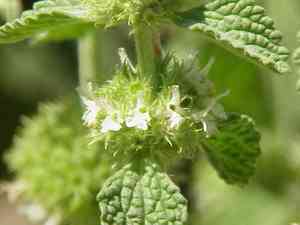
Marrubium vulgare reproduces most effectively from cuttings acquired in the spring and summer seasons. This propagation method is relatively straightforward, with the emergence of new shoots signifying success. Provide sufficient hydration and warmth to achieve the best outcomes.
Optimal Period for White Horehound Propagation
Propagation Method
Cutting
Propagation Season
Spring, Summer
Tools Required for White Horehound Propagation
Sharp Pruning Shears
Crucial for making precise cuts from the parent white horehound plant during propagation by cutting, minimizing tissue damage that could lead to infections or poor rooting. A sharper blade reduces stress on plant tissues, promoting quicker healing and successful rooting.
Rooting Hormone Powder or Gel
Promotes root development when applied to the base of white horehound cuttings. The rooting hormone stimulates root initiation, enhancing the likelihood of successful propagation, especially beneficial for white horehound, which might root slower without it.
Sterilizing Agent (e.g., Isopropyl Alcohol, Bleach Solution)
Used to sanitize pruning shears and other tools prior to propagation, to prevent the transmission of disease between plants. This is particularly vital for white horehound to ensure the healthy development of new cuttings.
Propagation Tray or Pots
Containers that offer a suitable environment for white horehound cuttings to establish roots. They should feature good drainage to prevent excessive moisture that can cause rot, and be appropriately sized for the number of cuttings being propagated.
Sterile Potting Mix
A soilless medium, often a blend of peat, perlite, and vermiculite, that provides white horehound cuttings with a clean, well-draining environment for rooting free from contaminants that could cause disease or hinder growth.
Plastic Dome or Cover
Creates a humid microclimate around white horehound cuttings, preventing moisture loss from leaves and stems. This is essential for white horehound as it helps maintain adequate humidity to encourage rooting while still allowing light penetration.
Heat Mat (Optional)
Supplies bottom heat to the propagation tray, which can encourage faster root growth for white horehound cuttings by maintaining a consistent and ideal soil temperature, though this may be optional depending on ambient temperature conditions.
How to Propagate White Horehound?
Propagation Method
Cutting
Difficulty Level
Easy
Caring for Your Newly Propagated White Horehound
Caring for Your Newly Propagated White Horehound
Following propagation, white horehound should be gradually accustomed to less humid conditions by progressively removing the plastic cover over about a week. Position the young plants in a sunny to partially shaded spot and water regularly to keep the soil consistently moist, but never waterlogged. Shield from extreme temperatures. As the plant matures, establish a consistent feeding schedule with a balanced fertilizer during the growing season. White horehound requires minimal upkeep once established and is quite drought-tolerant, but may benefit from pruning to encourage bushier growth and prevent legginess.
Common Errors to Avoid When Propagating White Horehound
Overwatering
Watering white horehound too often can lead to root rot, as it prefers well-drained soil. Excessive moisture reduces root oxygenation, resulting in poor plant health and potentially fatal fungal infections.
Deep planting
Planting white horehound cuttings or seeds too deeply can hinder germination and growth, as they require a certain amount of light to initiate these processes. Deep planting can also result in rotting before the plant has a chance to establish.
Neglecting to harden off
Failing to acclimate white horehound to outdoor conditions before planting them outside can cause shock, which might manifest as wilting, leaf scorch, or even plant death due to sudden changes in temperature, sunlight, and wind.
Ignoring pest control
Overlooking early signs of pests during white horehound propagation can lead to infestations that compromise the plant's health and spread, as pests can damage young shoots and leaves, and transmit diseases.
Tips For Propagating White Horehound
Providing light
Ensure white horehound seeds or cuttings receive sufficient light for germination and rooting. Use a propagation mat or place them in a well-lit area away from direct sunlight to promote healthy growth.
Soil preparation
Prepare a well-draining soil mix when planting white horehound, as it thrives in loamy, slightly alkaline soil. Ensuring proper soil conditions will encourage root development and overall plant vigor.
Gentle watering
Water white horehound sparingly, allowing the soil to dry out slightly between watering sessions. This approach prevents overwatering while providing the necessary moisture for growth.
Pest monitoring
Regularly inspect white horehound for signs of pests, and take immediate action if any are detected. Using organic pesticides or introducing beneficial insects can help protect the plant without resorting to harsh chemicals.



