How to Prune White horehound?
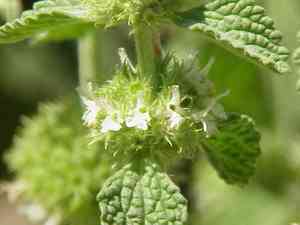
White horehound, a resilient, enduring herb valued for its fragrant foliage and historical application in botanical treatments, thrives with consistent trimming to boost its development and strength. Lightly trim it during the entire cultivation period to foster a denser form. The timing is vital; execute significant trimming in early spring to eliminate aged growth and sculpt the plant. Refrain from severe trimming in late autumn to avert the emergence of new sprouts, which might suffer frost damage. Trimming not only controls its dimensions but can also encourage the creation of beneficial constituents.
What Are the Benefits of Pruning White Horehound?
What Are the Benefits of Pruning White Horehound?
Trimming white horehound promotes robust development and preserves its desired form. It fosters the growth of sturdy, healthy stalks and can revitalize older specimens, ensuring longevity and visual appeal.
What Is the Best Time for Pruning White Horehound?
What Is the Best Time for Pruning White Horehound?
Trimming white horehound in early spring encourages healthy development and prepares the plant for the upcoming growing season. It allows for the removal of any dead or damaged stems from winter, enhancing the plant's overall vitality. Late fall pruning is also suitable because it aligns with the end of white horehound's growth cycle, when the plant is entering dormancy. This timing minimizes stress and prevents potential new growth from being harmed by frost. It's also an opportune period to shape the plant and remove any spent flowers or seed heads, ensuring energy is directed toward root and shoot development for spring.
What Tools Do I Need to Prune White Horehound?
Hand pruners
Perfect for severing white horehound stems and branches, ensuring clean and accurate cuts.
Pruning shears
Appropriate for trimming small to medium-sized white horehound leaves and stems, facilitating easy shaping and upkeep.
Gardening gloves
Crucial for protecting hands from thorns and rough foliage while trimming white horehound.
Pruning saw
Helpful for larger, woodier stems of mature white horehound plants that hand pruners cannot manage.
How to Prune White Horehound
Step1: Identifying Dead Stems
Locate the lifeless stems on white horehound by searching for those that are brown, brittle, and lack any green growth. These stems are the primary candidates for removal.
Step2: Sterilizing Pruning Shears
Sanitize your pruning shears with rubbing alcohol or a 10% bleach solution to prevent the spread of diseases among plants.
Step3: Cutting Dead Stems at the Base
Cut the dead stems at the base of white horehound, near ground level. Make clean cuts without leaving stubs to encourage healthier regrowth and minimize disease risk.
Step4: Assessing Yellow Leaves
Find yellow leaves, which often signal age or stress, and determine if these leaves are on stems that also require pruning.
Step5: Pruning Yellow Leaves
Remove the yellow leaves by making a clean cut at the base of the leaf stem, being careful not to harm any healthy parts of white horehound.
Step6: Shaping the Plant
Form white horehound by cutting back the top one-third of the plant to encourage bushier growth and maintain a compact, appealing shape. This is typically done in late winter or early spring before new growth begins.
Step7: Disposing of Pruned Material
Discard all trimmed material away from white horehound to deter any potential pests or diseases from being drawn to the plant.
Step8: Watering After Pruning
Water white horehound thoroughly after pruning to help reduce plant stress and encourage recovery and new growth.
Step9: Monitoring for New Growth
Observe white horehound for signs of new growth, and repeat the pruning process annually, or as needed, to maintain plant health and vigor.
Post-Pruning Care for White Horehound
Post-Pruning Care for White Horehound
Immediately after trimming white horehound, it's vital to maintain optimal environmental conditionsâplace white horehound in a well-lit area, ensure moderate humidity, and keep temperature stable. Apply a balanced fertilizer to replenish nutrients and promote recovery. Water white horehound consistently, avoiding over-saturation. Regularly inspect for signs of stress, such as discoloration or wilting, and for infection indicators, like unusual spots or damaged foliage. At any signs of poor health, adjust care or consult a plant specialist to mitigate issues promptly.
Common Pruning Mistakes with White Horehound
Over-Pruning: Stress and Weakening
Trimming white horehound too aggressively, removing more than one-third of the plant's growth which can stress and weaken it.
Improper Cutting: Damaging Woody Base
Cutting into the woody base of white horehound which does not produce new growth easily, potentially harming the plant's structure and vitality.
Dull Tools: Jagged Cuts and Disease Risk
Using dull or unclean pruning tools, which can result in jagged cuts that are more susceptible to pests and diseases, harming white horehound's health.
Neglecting Dead Stems: Hindering Growth
Failing to remove dead or diseased stems, which can impede white horehound's growth and worsen pest and disease problems.
Ignoring Natural Shape: Poor Aesthetics
Trimming white horehound without considering its natural shape, which can lead to a less visually appealing plant.
Common Pruning Tips for White Horehound
Sharp Shears: Precise Cuts and Quick Healing
Use sharp, clean pruning shears to ensure accurate cuts that will heal rapidly, reducing the risk of disease for white horehound.
Healthy Trimming: Promote Bushier Growth
Cut back white horehound to a healthy set of leaves or stem node to encourage bushier growth, avoiding cuts on the woody part of the stems.
Remove Congested Stems: Better Air and Light
Trim out dead, diseased, or tangled stems to improve air circulation and light penetration, allowing white horehound to maintain robust health.
Selective Pruning: Natural Form and Dense Foliage
Shape white horehound by selectively trimming leggy or overgrown branches to preserve its natural form and encourage denser foliage.
Deadheading: Encourage Second Bloom
Snip back the spent flower stems of white horehound to encourage a second bloom and prevent self-seeding if not desired.



