How to Transplant Graham's nipple cactus?
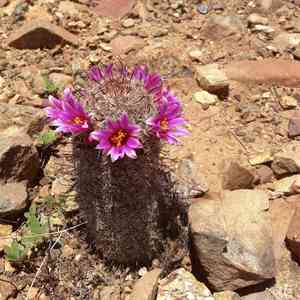
The most favorable period for relocating graham's nipple cactus is from mid to late autumn, providing moderate temperatures conducive to root development without excessive warmth. Select a site with good drainage, and exercise caution during handling to ensure optimal growth.
What Preparations are Needed Before Transplanting Graham's Nipple Cactus?
What is the Ideal Time for Transplanting Graham's Nipple Cactus?
The optimal period to move graham's nipple cactus is in mid-autumn. This timing allows graham's nipple cactus to establish roots in mild conditions prior to winter dormancy, boosting its resilience. Relocating graham's nipple cactus in this season ensures it benefits from decreasing warmth, perfect for root development without summer heat stress. This strategic timing provides graham's nipple cactus a strong start for spring growth.
How Much Space Should You Leave Between Graham's Nipple Cactus Plants?
When relocating your graham's nipple cactus, provide ample room for each specimen. Ideally, maintain a separation of 1-2 feet (30-60 cm) between them. This will enable your succulents to thrive without hindering each other's development.
What is the Best Soil Mix for Graham's Nipple Cactus Transplanting?
For graham's nipple cactus, utilize a soil blend formulated for cacti and succulents. Excellent drainage is crucial for its well-being. Before planting, incorporate a slow-release, low-nitrogen fertilizer into the soil to encourage steady, compact development.
Where Should You Relocate Your Graham's Nipple Cactus?
Remember, graham's nipple cactus thrives in sunlight! Therefore, select an area that receives abundant sun exposure throughout the day. A location that catches morning sun is especially beneficial as it is less intense, preventing your plant from scorching.
What Equipments Should You Prepare Before Transplantation Graham's Nipple Cactus?
Gardening Gloves
To safeguard your hands when handling spiky cacti like graham's nipple cactus.
Shovel
For excavating the new site where graham's nipple cactus will be replanted.
Trowel
A useful implement for gently extracting graham's nipple cactus from its current spot.
Pruning Shears
For trimming any damaged parts of the plant or roots before the transplant.
Hand Fork
To loosen the soil around the plant for easier removal.
Watering Can
Needed to irrigate the graham's nipple cactus immediately after its relocation.
How Do You Remove Graham's Nipple Cactus from the Soil?
How Do You Remove Graham's Nipple Cactus from the Soil?
From Ground: Moisten the area around the graham's nipple cactus to soften the earth. Using your trowel or hand fork, carefully begin to separate the soil from the root ball, taking care not to harm any roots. Once a significant portion of the root structure is free, you can slowly lift the graham's nipple cactus from its original position.From Pot: First, thoroughly water graham's nipple cactus as this will lessen transplant shock and facilitate removal. Gently turn the pot on its side, place your hand over the soil surface with the plant stem between your fingers. Lightly tap the pot's rim against a counter or table to dislodge the root ball. Gradually slide the graham's nipple cactus out of the container.From Seedling Tray: Employ a small tool, such as a spoon or fork, to carefully lift the graham's nipple cactus and its surrounding soil, ensuring as much of the root structure remains intact as possible.
Step-by-Step Guide for Transplanting Graham's Nipple Cactus
Digging
Using your shovel, excavate a hole in your chosen spot, ensuring it's deep enough to comfortably accommodate the graham's nipple cactus's root ball with some room for expansion.
Preparation
Inspect the roots of graham's nipple cactus. If you discover any damaged, dead, or decaying roots, trim them with your pruning shears.
Placement
Position graham's nipple cactus in the center of the new hole, making sure the top of the root ball is level with the ground surface.
Back-fill
Refill your hole, ensuring the graham's nipple cactus is firmly in place, but not overly compacted.
Watering
Thoroughly water graham's nipple cactus, but remember, it is a cactus and does not require excessive moisture.
How Do You Care For Graham's Nipple Cactus After Transplanting?
Watering
Since graham's nipple cactus is a cactus, water it sparingly. It's preferable to allow the soil to dry out between waterings, as it tolerates drought better than excessive moisture.
Maintenance
Promptly remove any dead or dying parts of the cactus to prevent further damage.
Pest Prevention
Regularly inspect for pests that might harm your newly transplanted graham's nipple cactus and take appropriate action at the first sign of an issue.
Troubleshooting Common Issues with Graham's Nipple Cactus Transplantation.
When is the best time to transplant graham's nipple cactus?
The ideal period for relocating graham's nipple cactus is during late summer to early fall (S8-S9). This timing encourages robust root development.
How far apart should graham's nipple cactus be planted from each other?
Aim for a minimum of 1-2 feet (30-60 cm) separation between each graham's nipple cactus. This provides space for their growth and reduces competition for resources.
What type of soil best suits for transplanting graham's nipple cactus?
Graham's nipple cactus thrives in well-drained soil. Enhance the drainage of heavy clay soil by incorporating gritty materials like sand or perlite.
How much sunlight does graham's nipple cactus need after transplanting?
Graham's nipple cactus loves full sun. Post-transplant, ensure it receives at least 6-8 hours of sunlight daily for optimal development.
How often should I water graham's nipple cactus post-transplant?
Water thoroughly once the soil is completely dry. Overwatering can lead to root rot, a frequent problem with graham's nipple cactus.
Should I fertilize graham's nipple cactus after transplanting?
Yes, fertilize graham's nipple cactus after transplanting. Use a cactus-specific fertilizer to promote healthy growth, but avoid excessive fertilization.
What's the best way to handle graham's nipple cactus during transplanting?
Handle graham's nipple cactus with care to avoid damaging its nipples. Use thick gloves or wrap it in newspaper before handling.
What are some signs of transplant shock in graham's nipple cactus?
Indicators of transplant shock in graham's nipple cactus include wilting, yellowing foliage, and slowed growth. Consistent care can aid its recovery.
What should I do if graham's nipple cactus doesn't show growth after transplantation?
If graham's nipple cactus isn't growing post-transplantation, review its light, water, and feeding regimen. Minor adjustments can often stimulate growth.
How deep should the new planting hole be?
The hole should be as deep as the root ball of graham's nipple cactus and twice its width. This encourages immediate new root growth.



