Enhancing Your Garden Design with the Graham's nipple cactus Plant: A Landscaping Guide
1
Graham's nipple cactus flourishes in porous substrates and ample direct sunlight.
2
This plant requires minimal upkeep, making it ideal for drought-tolerant landscapes.
3
Graham's nipple cactus offers remarkable texture and aesthetic appeal to diverse garden designs.
Understanding the Role of Graham's nipple cactus in Landscaping
Identifying the Distinctive Features of Graham's nipple cactus
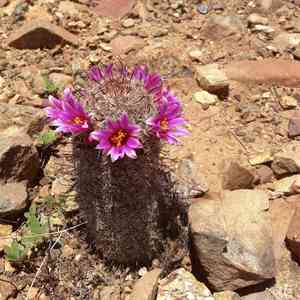
Graham's nipple cactus is recognized for its unique rounded form and spiky surface, which can introduce a distinct texture to your outdoor space. This cactus typically grows in small groupings, making it an excellent focal point or accent plant. Its capacity to thrive in harsh conditions with minimal water makes it an appealing choice for landscapes that conserve water.
Benefits of Graham's nipple cactus in Outdoor Spaces
A primary advantage of integrating Graham's nipple cactus into your landscape is its minimal upkeep. This plant requires little irrigation and care once established, which is a significant benefit for busy homeowners. Furthermore, its distinctive appearance can offer a striking contrast to other plants, boosting visual appeal and variety in your garden.
Choosing the Right Location for Graham's nipple cactus
Evaluating Sunlight and Shade Requirements
Like many cacti, Graham's nipple cactus flourishes in direct sunlight. Select a spot in your yard that receives at least six hours of unfiltered sun daily. While it can endure some shade, too much can impede its growth and reduce flowering. It's best to position Graham's nipple cactus in a sunny area where it can absorb light and prosper.
Understanding Soil Preferences for Optimal Growth
Graham's nipple cactus prefers well-draining soil to prevent root decay. Sandy or gravelly soils are ideal as they mimic the cactus's natural environment. If your garden soil is dense or clay-based, consider amending it with sand or gravel to enhance drainage. Planting Graham's nipple cactus in a raised bed or a rock garden can also help ensure its roots remain dry and healthy.
Integrating Graham's nipple cactus into Various Landscape Styles
Desert and Xeriscape Gardens
Graham's nipple cactus is an ideal fit for desert-themed landscapes and xeriscape gardens. Its drought tolerance and low water needs make it an excellent option for areas where water conservation is a priority. Combine it with other xeriscape-friendly plants such as agave, yucca, and other cacti to create a unified and sustainable garden design.
Rock Gardens and Rustic Landscapes
Rock gardens and rustic landscapes can greatly benefit from the inclusion of Graham's nipple cactus. Its compact size and interesting shape make it a great accent plant among stones and other hardscape elements. Use Graham's nipple cactus to add texture and visual interest to your rock garden, or as a structural component in a rustic landscape setting.
Complementing Graham's nipple cactus with Other Plants
Selecting Companion Plants for Visual Balance
When choosing companion plants for Graham's nipple cactus, consider species that complement its unique form and texture. Plants with contrasting foliage, such as succulents or ornamental grasses, can create a balanced and visually appealing garden. Ensure the companion plants have similar water and sunlight requirements to avoid any mismatched care needs.
Considerations for Plant Diversity and Health
Incorporating a variety of plants with Graham's nipple cactus not only enhances visual appeal but also promotes a healthier garden. Diversity in plant species can attract beneficial insects and help prevent pest infestations. Additionally, a mix of plants can create a resilient garden ecosystem, reducing the likelihood of disease spread.
Maintaining Graham's nipple cactus in Your Landscape
Seasonal Care Tips to Thrive
Although Graham's nipple cactus is low maintenance, it still requires some care to thrive. During the growing season, minimal watering is neededâusually just once a month. In winter, reduce watering even further. Ensuring the plant gets plenty of sunlight and periodically checking for pests will help keep it healthy year-round.
Dealing with Pests and Common Issues
While Graham's nipple cactus is relatively pest-resistant, it can occasionally attract mealybugs or spider mites. Regularly inspect your plants for signs of infestation and treat them promptly with insecticidal soap if necessary. Over-watering is a common issue that can lead to root rot, so always ensure your soil has excellent drainage and avoid excessive watering.



