How Much Sunlight Do Graham's nipple cactus Need?
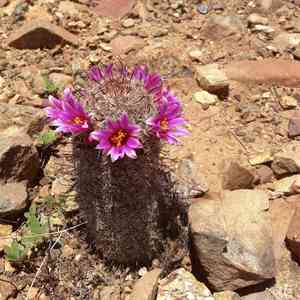
1
Graham's nipple cactus flourishes with more than 6 hours of direct sun daily.
2
It endures some shade, but its growth might not be ideal.
3
Cultivating indoors necessitates precise light control, frequently using supplemental grow lights.
Optimal Illumination for Graham's Nipple Cactus
Direct Sun Exposure
Graham's nipple cactus thrives with ample direct sunlight, ideally receiving over 6 hours daily. This light level supports efficient photosynthesis, fostering robust development and vibrant, healthy spines. Positioning it in a south-facing spot, where it gets midday and afternoon sun, is highly beneficial. Remember to introduce it to intense light gradually to prevent scorching.
Partial Shaded Areas
While full sun is preferred, Graham's nipple cactus can endure some partial shade. This is especially useful in very hot climates where intense afternoon sun might be too harsh. In such instances, morning sun with afternoon shade can shield the cactus from potential stress. However, extended periods in partial shade may lead to slower growth and less vivid coloration.
Indoor Lighting Needs
For indoor cultivation of Graham's nipple cactus, sufficient light is crucial. A south-facing window is perfect, as it typically offers the strongest natural indoor light. If natural light is inadequate, supplement with grow lights that emulate sunlight's intensity and spectrum. Aim for at least 6-8 hours of light exposure to maintain a healthy and vibrant cactus.
Recognizing Sunlight Stress in Graham's Nipple Cactus
Signs of Excessive Light
Symptoms of too much sunlight in Graham's nipple cactus include yellowing or bleaching of its spines and skin, brown or scorched sunburn spots, and in severe cases, the cactus may start to dehydrate. If these signs appear, it's vital to provide some shade during the day's hottest hours or slowly accustom the cactus to strong sunlight.
Signs of Insufficient Light
Lack of sunlight can cause Graham's nipple cactus to etiolate, meaning it will grow long and thin as it stretches toward the light source. Other indicators include a duller appearance and reduced growth rates. To correct this, gradually increase the cactus's exposure to direct sunlight or use artificial light sources to ensure adequate illumination.
Best Practices for Ideal Sunlight for Graham's Nipple Cactus
Utilizing Grow Lights Indoors
Grow lights are an excellent option for indoor gardeners. LED grow lights are particularly effective for Graham's nipple cactus as they offer a full-spectrum imitation of natural sunlight. Position the grow light approximately 12-18 inches (30-45 cm) above the plant and ensure it operates for at least 6-8 hours daily. Rotate the cactus regularly for uniform light distribution.
Seasonal Light Adjustments
Natural sunlight levels can vary significantly with the changing seasons. In summer, ensure the cactus isn't overexposed to harsh afternoon sun by providing partial shade if needed. In winter, move the cactus closer to windows or increase artificial light exposure to compensate for shorter days and lower light intensity.
Outdoor Placement Advice
When placing Graham's nipple cactus outdoors, select a location with full sun access, such as a south-facing garden or balcony. Gradually acclimate the cactus to outdoor conditions if it was previously indoors to prevent sunburn. Use well-draining soil to prevent water accumulation, which can be harmful in a full-sun environment.
Common Questions About Graham's Nipple Cactus Sunlight Needs
Can Graham's Nipple Cactus Survive in Dim Light?
Graham's nipple cactus can endure low light conditions for brief periods, but it won't flourish. Extended exposure to dim light can lead to poor health, etiolation, and decreased vitality. For optimal health, provide as much direct sunlight as possible or supplement with grow lights if natural light is insufficient.
Which Window Direction is Best for Indoor Growth?
The most suitable window direction for growing Graham's nipple cactus indoors is a south-facing window. This orientation receives the most consistent and intense light throughout the day. If a south-facing window isn't available, an east or west-facing window can work, but supplementary grow lights might be necessary to meet the cactus's light requirements.
How to Replicate Desert Sunlight?
To simulate desert sunlight conditions for Graham's nipple cactus, aim for intense, direct light for most of the day. Use a combination of natural sunlight and LED grow lights to mimic the duration and intensity of desert sun exposure. Maintain low humidity and ensure good air circulation to create a desert-like indoor environment.



