How to Transplant Prairie crabapple?
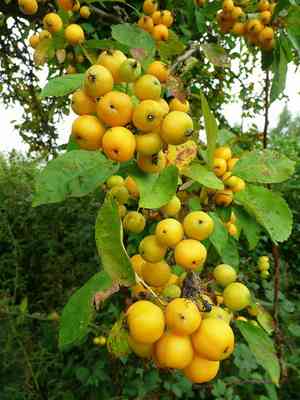
Summer, the period of peak warmth, offers prairie crabapple ideal conditions for root development, rendering it an excellent season for relocation. Select a sunny, adequately drained location and ensure minimal disruption to the roots for successful adaptation.
What Preparations are Needed Before Transplanting Prairie Crabapple?
What is the Ideal Time for Transplanting Prairie Crabapple?
The optimal period to move prairie crabapple is during spring or fall, offering a moderate climate for root establishment without intense heat. This favorable timing promotes vigorous growth, ensuring prairie crabapple flourishes in its new spot. Choosing this window for transplanting aligns with natural cycles, enhancing prairie crabapple's vitality and resilience.
How Much Space Should You Leave Between Prairie Crabapple Plants?
For your prairie crabapple plants, ensure a spacing of approximately 15-20 feet (4.5-6 meters) between them. This will provide ample room for growth and expansion without competition for nutrients and sunlight.
What is the Best Soil Mix for Prairie Crabapple Transplanting?
Your prairie crabapple will flourish in well-drained, loamy soil. Before transplanting, prepare the initial fertilizer using a blend of compost and slow-release granular fertilizer. These will supply necessary nutrients and maintain soil fertility over time.
Where Should You Relocate Your Prairie Crabapple?
The perfect location for your prairie crabapple is one with full sun exposure, guaranteeing at least six hours of daily sunlight. However, it can also endure partial shade. Therefore, select a site where it can enjoy the sun while also receiving some shade.
What Equipments Should You Prepare Before Transplantation Prairie Crabapple?
Gardening Gloves
To safeguard your hands while handling soil and plants.
Gardening Spade or Shovel
Essential for digging holes and safely extracting the prairie crabapple plant.
Wheelbarrow or Tarp
For moving prairie crabapple from its original position to the new site.
Watering Can or Hose
For hydrating the prairie crabapple during and after the transplanting process.
Garden Stakes
To support prairie crabapple and help it remain upright.
Natural Mulch
Aids in retaining moisture around the prairie crabapple plant post-transplanting.
How Do You Remove Prairie Crabapple from the Soil?
How Do You Remove Prairie Crabapple from the Soil?
From Ground: Water the prairie crabapple to moisten the soil, making plant removal easier. Dig a wide trench around the plant with a spade or shovel, ensuring the root ball remains undisturbed. Then, carefully work the spade beneath the root ball to lift the prairie crabapple plant from its original spot.From Pot: Water the prairie crabapple to loosen the soil along the edges. Hold the plant's base and gently turn the pot on its side, then lightly tap the pot's bottom to slide the prairie crabapple out.From Seedling Tray: Ensure seedlings are well-hydrated before removal. Using your fingers, gently push the bottom of each cell to pop out each prairie crabapple seedling.
Step-by-Step Guide for Transplanting Prairie Crabapple
Plant Removal
Carefully extract the prairie crabapple from its current location using the methods described previously.
Preparing the Hole
Dig a hole in the soil that is twice the width of the prairie crabapple's root ball and as deep as the root ball's height.
Planting
Place the prairie crabapple in the hole, ensuring the top of the root ball is level with the soil surface. Fill around the root ball with soil, pressing it down gently but firmly.
Watering
Thoroughly water the prairie crabapple after transplanting. Allow the water to soak into the soil, then fill the remaining hole with soil.
Support
Utilize garden stakes, if needed, to help prairie crabapple stay upright and stable in its new position.
Mulching
Apply natural mulch around the base of prairie crabapple, leaving a small gap around the stem to prevent rot.
How Do You Care For Prairie Crabapple After Transplanting?
Watering
Maintain consistent soil moisture levels for the prairie crabapple during the initial weeks. Remember to avoid overwatering or creating waterlogged conditions.
Support
Monitor the prairie crabapple and adjust stakes as the plant grows to ensure it remains upright.
Fertilizing
After 4-6 weeks post-transplant, apply a balanced, slow-release fertilizer at half the recommended strength around the prairie crabapple.
Pruning
Promptly trim any dead or damaged branches of prairie crabapple to encourage new growth.
Troubleshooting Common Issues with Prairie Crabapple Transplantation.
When is the best season to transplant prairie crabapple?
The optimal time to relocate prairie crabapple is between S4-S6, which means late summer to early autumn.
What is the proper spacing when planting multiple prairie crabapples?
To allow prairie crabapples to flourish and grow properly, ensure a spacing of approximately 15-20 feet (4.5-6 meters). Overcrowding can hinder growth.
How can I ensure prairie crabapple adapts to its new location after transplanting?
Prairie crabapple typically adjusts to its new environment. After moving, provide ample water and sufficient sunlight. Some initial care is necessary.
How deep should the hole be when transplanting prairie crabapple?
The hole should be about twice as wide and the same depth as the prairie crabapple's root ball. This promotes healthy root development.
Is there a need to trim prairie crabapple after transplanting it?
Yes, prune any broken or damaged branches after transplanting. This helps prairie crabapple direct its energy towards new growth.
How should I water prairie crabapple after transplanting?
Ensure the soil remains consistently moist, but avoid waterlogging. Deep, infrequent watering encourages prairie crabapple to develop a robust root system.
My transplanted prairie crabapple is withering, what should I do?
Review your watering routine. Excessive watering can cause wilting. Also, place it in bright but indirect sunlight, as too much direct sun can also lead to wilting.
What type of soil is best for transplanting prairie crabapple?
Prairie crabapple thrives in well-draining soil rich in organic matter. The soil pH can range from mildly acidic to mildly alkaline.
What if my prairie crabapple isn't showing any growth after transplanting?
Patience is crucial. Ensure you are meeting its needs for sunlight, water, and soil conditions. If it remains dormant, allow it time and continue its care.
Do I need to fertilize prairie crabapple after transplanting it?
It's not immediately necessary. However, a slow-release, balanced fertilizer can be applied a few weeks after transplanting to boost prairie crabapple's growth.



