How Much Sunlight Do Prairie crabapple Need?
1
Prairie crabapple flourishes with a minimum of 6 hours of direct sun each day.
2
It can endure some shade, though this might lead to reduced flowering and fruiting.
3
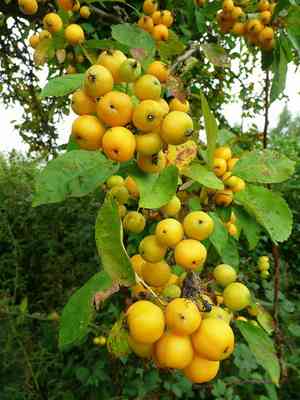
This crabapple variety enhances gardens with its vivid blooms and supports local wildlife.
Significance of Solar Exposure for Prairie crabapple
Photosynthesis Process and Solar Energy
Solar energy is vital for the Prairie crabapple as it powers the process of photosynthesis. This mechanism enables the plant to transform light energy into chemical energy, which is crucial for its development and maturation. Without sufficient sunlight, the tree will not generate the necessary glucose for its overall vitality, resulting in weaker structures and fewer flowers.
Development and Health Advantages of Appropriate Sunlight
Adequate sunlight exposure ensures the Prairie crabapple develops robustly and healthily. Sunlight assists in producing strong foliage, vibrant blooms, and wholesome fruit. Furthermore, ample sunlight helps the plant build resistance against diseases and pests, making it less prone to infestations or ailments that could otherwise hinder its growth.
Ideal Sunlight Requirements for Prairie crabapple
Full Sun Versus Partial Shade
For optimal development, the Prairie crabapple prefers full sun, meaning it should receive at least six hours of direct solar exposure daily. While it can endure partial shade, there are trade-offs. In areas with less direct sunlight, you might observe diminished flowering and fruit production. However, in regions with intense heat, occasional partial shade can prevent leaf scorching.
Daily Solar Exposure Duration Required
Ideally, the Prairie crabapple should be exposed to a minimum of 6 to 8 hours of sunlight each day. This duration ensures the tree undergoes proper photosynthesis, leading to growth, blooming, and fruit development. If full sun exposure is not feasible, aim for a location that maximizes morning sunlight, as it is less intense compared to the afternoon sun.
Impacts of Insufficient Sunlight on Prairie crabapple
Indicators of Inadequate Solar Exposure
When the Prairie crabapple does not receive enough sunlight, it will display several indicators. These include elongated and weaker stems, sparse foliage, reduced flowering, and poor fruit set. The leaves might appear dull or pale, signaling a lack of photosynthetic activity.
Potential Growth Problems
Insufficient sunlight can hinder the Prairie crabapple's growth, making it less sturdy and more vulnerable to diseases. A tree deprived of the necessary light may struggle to produce enough sustenance through photosynthesis, leading to slow growth, fewer blooms, and ultimately, a shortened lifespan for the plant.
Managing Solar Exposure for Prairie crabapple
Selecting the Correct Planting Site
Choosing the appropriate planting location is crucial to ensure your Prairie crabapple receives the right amount of sunlight. Ideally, select a spot that gets morning sun and has fewer obstructions like buildings or larger trees. It's essential to observe the chosen site throughout the day to ensure it receives consistent sunlight.
Utilizing Shade Cloth or Barriers
In regions where sunlight can be too intense, especially during peak summer days, employing shade cloth or installing barriers can safeguard your Prairie crabapple. These tools can effectively filter the sunlight, reducing the risk of foliage burn and ensuring the plant still gets adequate light without the harsh intensity.
Common Misconceptions About Prairie crabapple Sunlight Needs
Myth Versus Reality
One common misconception is that the Prairie crabapple can flourish in low light conditions. While it is true that this tree can tolerate partial shade, low-light conditions are far from ideal and will impact its growth and productivity. Another myth is that more sunlight always equates to better growth, disregarding the importance of balanced exposure.
Correcting False Beliefs
It's important to rectify misunderstandings to ensure the Prairie crabapple receives the best care. Understanding that while this tree thrives in sunlight, too much direct, intense sun without protection can harm it. Educating gardeners about the balance between full sun and partial shade can help them provide an environment where the Prairie crabapple flourishes.



