How to Prune Prairie crabapple?
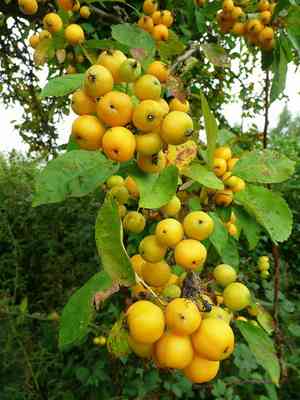
The prairie crabapple, a deciduous indigenous species featuring aromatic blossoms, thrives with thoughtful trimming. Essential methods involve reducing dense branches and eliminating water shoots to ensure proper air movement and form. Perform pruning in late winter to early spring while the plant is dormant to stimulate vigorous development and blooming. Important aspects include executing precise cuts to prevent illness and boosting fruit yield. Careful pruning guarantees a strong and aesthetically appealing plant.
What Are the Benefits of Pruning Prairie Crabapple?
What Are the Benefits of Pruning Prairie Crabapple?
Consistent trimming of prairie crabapple promotes robust development and preserves its attractive shape. It encourages strong branching, enhances air circulation, and lowers disease risk, boosting its decorative appeal and lifespan.
What Is the Best Time for Pruning Prairie Crabapple?
What Is the Best Time for Pruning Prairie Crabapple?
These periods are considered ideal because prairie crabapple is inactive during winter, minimizing stress and the chance of disease spreading to cuts. Pruning before new spring growth allows the plant to heal quickly and direct energy to developing strong, new branches. This timing also aligns with the plant's natural cycle, occurring before late spring blooms. Early pruning ensures flowering or fruiting isn't negatively affected, preserving its ornamental and wildlife value.
What Tools Do I Need to Prune Prairie Crabapple?
Hand Pruners
Perfect for cutting stems and small branches up to ¾ inch in diameter on prairie crabapple, ensuring precise cuts without harming plant tissues.
Loppers
Essential for reaching into denser foliage and cutting branches between 1½ and 2 inches in diameter, enabling removal of larger limbs that hand pruners cannot manage.
Pruning Saw
Utilized for removing branches exceeding 2 inches in diameter from prairie crabapple, which may be necessary as the tree matures for optimal health and form.
Hedge Shears
Useful for shaping prairie crabapple, if a more formal hedge appearance is desired, these shears allow for trimming and shaping along the plant's outer edges.
Pole Pruner
Helps in reaching higher branches on prairie crabapple without a ladder, ensuring safety and maintaining the tree's natural shape through selective upper branch pruning.
Pruning Gloves
To safeguard hands from thorns and rough bark when pruning prairie crabapple, and to ensure cleanliness by preventing the spread of plant diseases.
Disinfectant
To sanitize pruning tools before and after use on prairie crabapple to prevent disease transfer between plants, helping maintain a healthy crabapple.
How to Prune Prairie Crabapple
Step1: Assess Plant Health
Evaluate the overall health and structure of prairie crabapple prior to pruning. Perform this in late winter or early spring before new growth begins, as this is the optimal time for pruning this species.
Step2: Remove Dead Wood
Begin by eliminating any dead wood. Use clean, sharp pruning shears or a saw, depending on branch size. Make cuts at a 45-degree angle, approximately 1/4 inch above an outward-facing bud. This promotes outward growth.
Step3: Cut Out Diseased Limbs
Next, identify and remove diseased limbs. Cut affected branches back to healthy tissue. Ensure your pruning tools are disinfected with a 10% bleach solution or rubbing alcohol between cuts to prevent disease spread.
Step4: Eliminate Suckers
Locate and remove suckers, which are vigorous vertical growths emerging from the root system or trunk base. Cut these flush with the trunk or just below the soil surface using sharp hand pruners or loppers.
Step5: Shape and Thin Canopy
After removing dead, diseased, and sucker growth, assess the plant's shape. Prune for good structure and to maintain an open canopy, allowing for light penetration and air circulation. Thin out crowded branches by removing some back to their origin point.
Step6: Cleanup and Water Post-Pruning
Finally, clear all pruning debris to prevent potential disease issues and water prairie crabapple thoroughly after pruning to help reduce plant stress.
Post-Pruning Care for Prairie Crabapple
Post-Pruning Care for Prairie Crabapple
Immediately after pruning, prairie crabapple needs thorough watering to reduce stress. Maintain consistent moisture without overwatering. Position prairie crabapple in a spot with adequate indirect sunlight and ensure stable temperatures. Apply a balanced, slow-release fertilizer to aid recovery. Regularly check prairie crabapple for stress signsâwilted leaves, discoloration, or sap leakage. If infection appears, treat promptly with appropriate fungicides or bactericides as advised by experts.
Common Pruning Mistakes with Prairie Crabapple
Overpruning Reduces Blooming and Fruiting
Excessive pruning of prairie crabapple can stress the tree and diminish its ability to bloom and bear fruit. Removing over a third of the tree in one season can be harmful.
Incorrect Cut Placement Invites Pests/Diseases
Making cuts flush against the main branch or trunk, which can create wounds larger than necessary and potentially attract pests or diseases.
Dull/Dirty Tools Harm Plants
Using unsharpened or unclean pruning tools, which can tear branches and introduce diseases to prairie crabapple.
Ignoring Water Sprouts/Suckers Drains Energy
Failing to remove water sprouts and suckers, which can deplete energy from prairie crabapple and result in a cluttered growth habit.
Pruning Without Goal Harms Plant
Pruning without a clear objective, leading to indiscriminate cutting and potentially harming the aesthetic form and health of prairie crabapple.
Common Pruning Tips for Prairie Crabapple
Use Sharp, Clean Tools for Healthy Cuts
Begin with sharp and clean pruning tools to make precise cuts and prevent disease transmission to prairie crabapple.
Remove Dead/Diseased Wood Promptly
Prune dead or diseased wood immediately to maintain prairie crabapple's health and appearance.
Angled Cuts for Proper Growth and Water Runoff
Make cuts at a 45-degree angle, approximately 1/4 inch above an outward-facing bud on prairie crabapple to encourage proper water runoff and directed growth.
Thin Crowded Branches for Better Light and Air
Thin out crowded branches to improve light penetration and air circulation throughout prairie crabapple, which reduces disease risk and promotes flowering.
Follow Natural Growth Pattern When Pruning
When pruning prairie crabapple, preserve the tree's natural shape by following its growth pattern and avoiding excessive branch removal.



