Enhancing Your Garden Design with the Prairie crabapple Plant: A Landscaping Guide
1
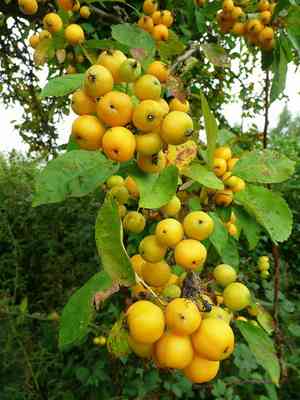
The Prairie crabapple offers a distinctive visual appeal to any garden through its unique blossoms and fruit.
2
Correct positioning of the Prairie crabapple guarantees its growth and boosts the garden's aesthetic.
3
Incorporating Prairie crabapple alongside other flora can generate vibrant seasonal allure in your outdoor space.
Introducing Prairie Crabapple to Your Landscape
Understanding Prairie Crabapple's Role in Outdoor Spaces
Integrating Prairie crabapple into your garden design can establish a primary visual anchor that captures attention and adds structure. Prairie crabapple is celebrated for its lovely blooms and vibrant fruits, making it a prominent feature across different seasons. Whether aiming for a tranquil haven or a lively outdoor gathering spot, Prairie crabapple helps define your garden's character by introducing texture and color.
The Aesthetic Appeal of Prairie Crabapple
Prairie crabapple not only offers seasonal flowers but also possesses an architectural quality that complements various garden styles. In spring, its blossoms create a stunning display, while in autumn, its fruits add a burst of color. The tree's distinct form and foliage also contribute to your landscape's overall visual harmony. By selecting varieties with diverse blooming periods, you can extend the garden's period of visual interest.
Selecting the Ideal Location for Prairie Crabapple
Evaluating Sunlight and Soil Requirements
For Prairie crabapple to flourish, it's crucial to locate a spot with the right balance of sunlight and well-draining soil. Prairie crabapple typically needs a position that receives full sun to partial shade, enabling it to produce its best flowers and fruits. The soil should be rich in organic matter and drain effectively to prevent root rot. Testing your soil's pH level can also confirm it meets Prairie crabapple's slightly acidic to neutral preference.
Visual Balance and Focal Points in Garden Design
When planning Prairie crabapple's placement, consider how it will integrate into your garden's overall layout. Positioning Prairie crabapple as a central focal point can ground the design and provide a sense of order. Alternatively, using it to frame or accentuate specific areas, such as patios or pathways, can create a more subtle yet impactful effect. Ensuring Prairie crabapple is balanced with other landscape elements will result in a cohesive and visually pleasing design.
Incorporating Prairie Crabapple with Other Plant Species
Companion Plant Selections for Prairie Crabapple
To fully highlight Prairie crabapple, choose companion plants that complement its aesthetic and horticultural needs. Flowering perennials like coneflowers, asters, and black-eyed Susans can offer a colorful contrast to Prairie crabapple's structure. Shrubs such as spireas or hydrangeas can add layers and depth, enhancing the overall composition. Ensure these plants share similar growth requirements to guarantee a harmonious and healthy garden.
Achieving Seasonal Interest with Diverse Plantings
To maintain year-round garden appeal, consider integrating plants with varying bloom times and foliage colors. Early spring bulbs, summer perennials, and fall-blooming flowers can extend the period of interest around Prairie crabapple. Additionally, evergreens can provide a lush backdrop during winter, ensuring your garden remains vibrant and engaging regardless of the season. Combining deciduous and evergreen plants will create a dynamic and appealing landscape.
Maintaining Prairie Crabapple's Health and Beauty
Routine Care Practices for Optimal Growth
To keep Prairie crabapple healthy and looking its best, consistent maintenance is essential. Pruning dead or damaged branches during dormant periods helps encourage new growth and maintain the tree's form. Mulching around the base retains moisture and suppresses weed competition, while annual fertilization supplies vital nutrients. Watering Prairie crabapple during dry spells ensures it stays hydrated, contributing to its overall vigor and productivity.
Preventing Common Diseases and Pests
Prairie crabapple can be vulnerable to various pests and diseases, so proactive management is crucial. Regular inspections for signs of disease, such as leaf spots or cankers, allow for prompt intervention. Treatments like fungicides or insecticidal soaps can control outbreaks. Encouraging beneficial insects and implementing good cultural practices, such as proper spacing and sanitation, can also help prevent problems and ensure long-term health.
Advantages of Including Prairie Crabapple in Your Garden
Boosting Biodiversity and Attracting Wildlife
A significant benefit of planting Prairie crabapple is its capacity to draw diverse wildlife to your garden. The flowers provide nectar for bees and butterflies, while the fruits offer food for birds and small mammals. This increase in biodiversity can lead to a more balanced and resilient ecosystem, promoting natural pest control and pollination. By including Prairie crabapple, you support local wildlife and contribute to your area's ecological health.
Contributing to Environmental Sustainability
Planting Prairie crabapple is also an environmentally responsible choice. Trees like Prairie crabapple sequester carbon dioxide, helping mitigate climate change, and improve air quality by filtering pollutants. Their root systems stabilize soil and reduce erosion, while providing habitat for numerous organisms. By selecting native and well-adapted plants like Prairie crabapple, gardeners can lessen the need for chemical inputs and excessive water use, fostering a more sustainable and eco-friendly landscape.



