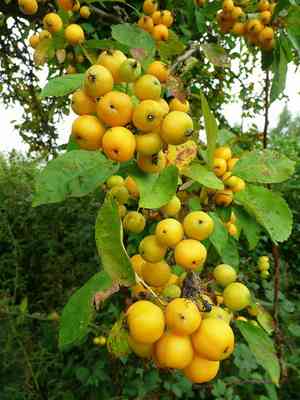
Prairie crabapple(Malus ioensis)

Prairie crabapple (Malus ioensis)

Also known as: Wild crabapple, Midwest crabapple

Eastern Redbud (Cercis canadensis) is a vibrant, flowering tree indigenous to the United States. It boasts pink blossoms in the spring and its dark green leaves transition to striking shades of purple and red during the summer. The tree produces seed pods that are a food source for various wildlife.

Attributes of Prairie crabapple

Lifespan
Perennial
Plant Type
Tree, Shrub
Plant Height
3 m to 6 m
Spread
3 m to 8 m
Leaf Color
Green Blue Red
Flower Size
2.5 cm to 5 cm
Flower Color
Pink White

ForwardPlant - Identify plants with a snap

Identify and diagnose plants, get toxicity alerts, and explore safety guides for all types of fungi.

Try for Free

Images of Prairie crabapple

Prairie crabapple(Malus ioensis)

Quickly Identify Prairie crabapple

1
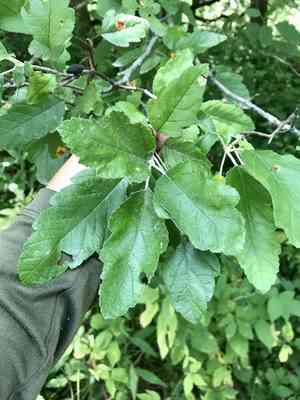
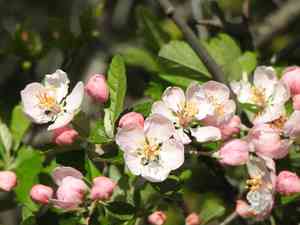
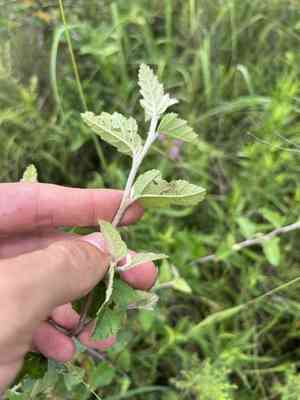
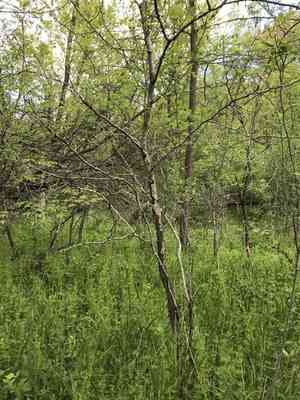
This plant can be identified by its gnarled, shrubby appearance, deeply lobed leaves, and pink to white flowers that bloom in clusters. The tree produces small, greenish-yellow apples that may have a reddish blush.

Scientific Classification of Prairie crabapple

Phylum
Vascular plants
Class
Dicotyledons
Order
Rosales
Family
Rose
Genus
Malus
Species
Prairie crabapple

Planting and Growing of Prairie crabapple

Care Difficulty
Easy
Watering Schedule
Every 3 days
Sunlight Requirements
Full sun
Sunshine Duration
6-12 hours
Ideal Temperature
60-75℉
Soil Type
Potting Mix, Peat Mix
Soil pH
6.5-7.5
Fertilizer Type
Balanced
Pruning Season
Spring, Summer
Pruning Area
Branches, Leaves
Pruning Frequency
2 times a year
Repotting Season
Spring
Pot Type
Plastic, Ceramic

water icon How to Water Prairie crabapple?

Malus ioensis prefers a moderate watering approach where the soil is kept consistently moist but not soggy. Ensure the top 2-3 inches of soil are moist and that water never pools at the base of the plant. This balance helps maintain healthy roots.
What are the symptoms of an underwatered Prairie crabapple?
What should I do if my Prairie crabapple is not getting enough water?
What are the symptoms of an overwatered Prairie crabapple?
How to save an overwatered Prairie crabapple?

sunlight icon What Are the Sunlight Requirements for Prairie crabapple?

Sunlight Requirements: Full sun, Partial sun
Duration of light: 6 to 8 hours
Full sun to partial sun ensures Malus ioensis receives adequate energy for maximum floral and fruit yield, promoting vigorous development and resilience.
What is the ideal light exposure?
How to achieve ideal sun exposure?
What benefits does ideal lighting provide?
More About Sunlight Requirements Techniques

temperature icon What Is the Ideal Temperature Range for Prairie crabapple?

Ideal Temperature: 60 ~ 75℉
The ideal temperature range for Malus ioensis, commonly known as Prairie Crabapple, falls between 60°F and 75°F. This range ensures optimal growth and fruit production. At these temperatures, the plant's photosynthesis and metabolic processes perform efficiently, promoting vigorous development and flowering.

soil icon What Soil is Best for Prairie crabapple?

Soil type: Loam, Sandy soil
Soil PH: 6.5 ~ 7.5
Malus ioensis thrives in well-drained soil because it prevents waterlogging, which can lead to root rot and other fungal diseases. This ensures the tree gets ample oxygen, promoting healthy root and overall plant growth. A nutrient-rich soil provides essential minerals and nutrients crucial for the growth of Malus ioensis. It enhances blossom and fruit production, ensuring vibrant and healthy foliage. The soil should retain enough moisture to keep the roots hydrated without being soggy. This balance maintains consistent growth rates and helps the tree withstand periods of drought.

fertilize icon How to Fertilize Prairie crabapple?

Fertilizer type: Balanced
For Malus ioensis, apply 1.5 pounds of a balanced 10-10-10 fertilizer per tree. This amount provides essential nutrients without overloading the plant. Adjust based on soil test results and plant response.

prune icon How to Prune Prairie crabapple?

Pruning Time: Spring, Summer
Start by removing any crossing branches, which can rub and create open wounds. Focus on creating a balanced structure while promoting an open canopy for better light and air infiltration. To maintain a strong and healthy tree, prune to develop an open center form, which ensures sunlight reaches all parts of the tree evenly, enhancing fruiting and reducing disease risk. Consider the desired shape and size of your tree. Regular pruning of lateral shoots and water sprouts helps maintain the desired dimensions and prevents unwanted spreading or height. More About Pruning Techniques

propagate icon How to Propagate Prairie crabapple plant?

Propagate Time: Spring, Late spring
1
Begin by filling seed trays with a well-draining potting mix and moistening the soil. Ensure that each tray offers adequate depth for the roots to expand as seedlings begin to grow.
2
Sow the seeds evenly across the prepared seed trays, lightly covering them with soil. It is important to provide an appropriate environment with consistent moisture to encourage germination.
3
To graft the plant, prepare both rootstock and scion by making smooth cuts with a grafting knife. Carefully align the two sections and bind them with grafting tape, creating a stable and secure connection.
More About Propagating Techniques

repot icon How to Repot Prairie crabapple plant?

Repotting frequency: Every 2-3 years
1
Malus ioensis should be repotted when you notice roots emerging from the drainage holes or when growth has slowed significantly, indicating the roots have filled the current pot. Early spring is the best time as the plant is just coming out of dormancy.
2
Choose a pot that is 2-3 inches larger in diameter than the current one with good drainage holes. A slightly larger pot encourages healthy root expansion while ensuring proper drainage, which prevents waterlogging.
3
Opt for a loamy, well-drained soil mix that can retain moisture without becoming waterlogged. This type of soil promotes healthy root growth and provides essential nutrients, ensuring robust plant development.

ForwardPlant - Identify plants with a snap

Find the best spots for them to optimize their health, simply using your phone.

Try for Free

Toxicity of Prairie crabapple

Is Prairie crabapple toxic to cat?

Prairie crabapple is recognized as exhibiting a mild level of toxicity for felines. If a cat consumes a substantial amount of the seeds from prairie crabapple, it may result in poisoning. Cat owners should be vigilant, as these animals might be drawn to the plant, yet the consumption of its seeds necessitates careful observation. In cases of poisoning, a cat may display vague signs of physical distress, warranting prompt veterinary assistance. To avert any unfortunate occurrences, it is vital to limit a cat's access to the seeds of prairie crabapple. If a cat ingests this portion of the plant, it is crucial to obtain treatment at a veterinary facility.

Is Prairie crabapple toxic to dog?

The prairie crabapple plant species is recognized for its mild toxicity to dogs. High consumption of this plant, especially the seeds which are the toxic components, can lead to poisoning in dogs. If a dog consumes a significant amount of these seeds, it may display symptoms like gastrointestinal upset or other mild distress signals. Therefore, it is vital for dog owners to keep an eye on their pets and restrict access to the seeds of the prairie crabapple to mitigate the risk of poisoning. Should a dog inadvertently ingest any part of this plant and exhibit adverse reactions, seeking immediate veterinary care is essential to ensure their health and safety.

Identify toxic plants for your safety

Learn which plants are harmful to you and your pets, and make informed choices for a safer home!

Try for Free
WARNING
The judgment on toxicity and danger is for reference only. We DO NOT GUARANTEE any accuracy of such judgment. Therefore, you SHALL NOT rely on such judgment. It is IMPORTANT TO SEEK PROFESSIONAL ADVICE in advance when necessary.
More About Toxic Techniques