How to Transplant Tansyleaf Tansyaster?
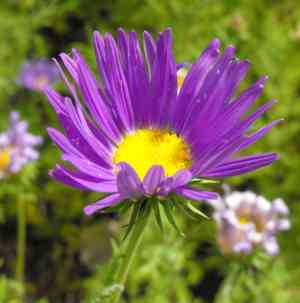
For Tansyaster 1, the ideal period for relocation is when spring revitalizes the ground. Brightly lit spots with permeable soil are most suitable. Preventing root disruption is crucial, so proceed gently to preserve its inherent strength.
Preparations Required Before Relocating Tansyleaf Tansyaster
Optimal Period for Tansyleaf Tansyaster Relocation
The start of the growing season, when winter's cold recedes and life reemerges, is ideal for moving tansyleaf Tansyaster. This time, marked by softer soils and longer daylight hours, provides a fertile environment for tansyleaf Tansyaster to establish its roots. Transplanting tansyleaf Tansyaster then leverages its natural growth cycle, ensuring a strong beginning. Aligning with nature's reawakening not only mirrors life's rhythms but also promises tansyleaf Tansyaster a warm embrace from the revitalizing earth.
Recommended Spacing Between Tansyleaf Tansyaster Plants
To allow your tansyleaf Tansyaster ample room to develop, position each plant approximately 1-2 feet (30-60 cm) apart during transplantation. This ensures proper air circulation and robust growth for your plants.
Best Soil Mixture for Tansyleaf Tansyaster Transplanting
For tansyleaf Tansyaster, well-draining soil is perfect! Enhance it with a rich, balanced compost-based fertilizer before transplanting to boost plant development.
Choosing a New Location for Your Tansyleaf Tansyaster
Select a spot with full sunlight for your tansyleaf Tansyaster. They thrive in sun, so ensuring they receive at least 6 hours of daily sun is crucial for a healthy plant.
Equipment Needed Before Transplanting Tansyleaf Tansyaster
Gardening Gloves
Essential for safeguarding your hands from rough soil and the plant itself.
Trowel
A small tool necessary for the process, enabling careful digging around the tansyleaf Tansyaster.
Spade
This aids in moving larger quantities of soil, especially when relocating from the ground.
Watering Can
To supply water to the plant both before and after its relocation.
Mulch
This organic material helps keep the soil moist for the tansyleaf Tansyaster post-transplant.
Pruning Shears
Occasionally, it may be necessary to remove damaged or excessive growth either before or after transplanting.
How to Extract Tansyleaf Tansyaster from the Soil
How to Extract Tansyleaf Tansyaster from the Soil
From Ground: Begin by gently watering the tansyleaf Tansyaster to loosen the surrounding soil. Then, using a trowel or spade, dig a wide circle around the tansyleaf Tansyaster to include most of its roots. Carefully slide the spade beneath the root ball to gently lift the tansyleaf Tansyaster from the ground.From Pot: If the tansyleaf Tansyaster is in a pot, water it first. Afterward, carefully invert the pot while supporting the plant at its base to prevent stem damage. Tap the bottom firmly to help the tansyleaf Tansyaster slide out.From Seedling Tray: First, water the seedling to moisten the surrounding soil. Using your fingers or a dislodging tool, gently push from the bottom or loosen the sides to safely remove the tansyleaf Tansyaster without harming its roots.
Detailed Guide for Transplanting Tansyleaf Tansyaster
Site Preparation
Clear the chosen planting area by removing weeds and any remaining roots from other plants. Dig a hole twice the width of the tansyleaf Tansyaster's root ball and equally deep using a spade.
Plant Placement
Position your tansyleaf Tansyaster in the center of the hole, ensuring the top of the root ball is level with the ground surface.
Backfilling
Once the tansyleaf Tansyaster is in place, refill the hole with the excavated soil, pressing gently to eliminate any air pockets.
Watering
Water thoroughly after the transfer, making sure the water reaches the roots.
Post-Transplant Care for Tansyleaf Tansyaster
Mulching
After transplanting, apply mulch around the tansyleaf Tansyaster to retain soil moisture and improve soil health over time. Avoid direct contact between the mulch and the tansyleaf Tansyaster's stem to prevent rot.
Watering
Water the tansyleaf Tansyaster regularly, but be careful not to overwater. The soil should remain consistently moist, not waterlogged. Use a watering can to control the amount of water dispensed.
Pruning
Periodically inspect your tansyleaf Tansyaster for any unhealthy or damaged areas. Use your pruning shears to remove and manage unnecessary growth, preserving the tansyleaf Tansyaster's vigor and health.
Patience
Tansyleaf Tansyaster may require some time to settle into its new environment. Do not be concerned if you don't observe immediate growth; be patient and continue providing consistent care.
Resolving Common Issues with Tansyleaf Tansyaster Transplantation
When is the optimal time to transplant tansyleaf Tansyaster?
The best period to transplant tansyleaf Tansyaster is during its ideal season S1. Transplanting at this time enhances its growth and chances of survival.
What is the ideal spacing between transplanted tansyleaf Tansyaster plants?
A distance of about 1-2 feet (30-60 cm) between each tansyleaf Tansyaster will help prevent overcrowding and ensure optimal growth.
What actions should I take if the transplanted tansyleaf Tansyaster shows signs of wilting?
Ensure adequate watering after transplant, but avoid excessive watering. A proper balance keeps the tansyleaf Tansyaster hydrated and prevents root rot.
I've just transplanted tansyleaf Tansyaster and the leaves are turning yellow. What's wrong?
Yellowing could indicate transplant shock or a nutrient deficiency. Maintain proper watering and consider using a plant fertilizer if the condition persists.
What is the correct depth for planting a transplanted tansyleaf Tansyaster?
The planting depth should match its previous location. Planting too deep can harm the stem, while too shallow exposure might damage the roots.
Why is tansyleaf Tansyaster not flowering after being transplanted?
The plant might need time to adapt to its new surroundings. Ensure sufficient light, water, and nutrient requirements to encourage blooming.
What should I do if pests attack my transplanted tansyleaf Tansyaster?
Begin by identifying the pest. Use organic pest control solutions to minimize harm to the tansyleaf Tansyaster and its environment.
Can I transplant tansyleaf Tansyaster into a pot?
Yes, ensure the pot has ample space for roots and proper drainage to prevent waterlogging. Pots should be 1-2 feet (30-60 cm) in diameter.
Why do my transplanted tansyleaf Tansyaster have stunted growth?
This could be due to insufficient light or nutrients, excessive water, or lack of space. Review and adjust the growing conditions accordingly.
Should I prune tansyleaf Tansyaster after transplanting?
Pruning is not essential for transplanting tansyleaf Tansyaster. However, removing any dead or diseased branches after transplanting can promote healthier growth.



