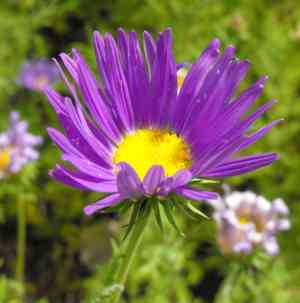
Tansyleaf Tansyaster (Machaeranthera tanacetifolia)
Also known as: Tansy Aster, Tahoka Daisy
The annual wildflower you're thinking of is the Tansyleaf Tansyaster (Machaeranthera tanacetifolia). This North American native blooms with vibrant purple flowers each spring, often covering roadsides and fields. Thanks to its extensive root system, it's frequently utilized in erosion control. Burpee Seed has been offering seeds of this beautiful plant for more than 140 years.
In This Article
Attributes of Tansyleaf Tansyaster
Lifespan
Annual, Biennial
Plant Type
Herb
Plant Height
15 cm to 30 cm
Spread
23 cm to 30 cm
Leaf Color
Green Blue Gray Silver
Flower Size
2.5 cm to 5 cm
Flower Color
Purple Yellow Lavender
Images of Tansyleaf Tansyaster
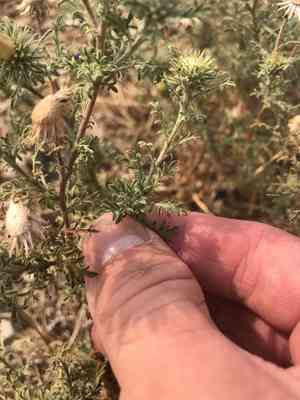
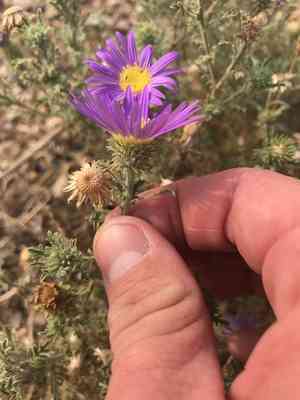
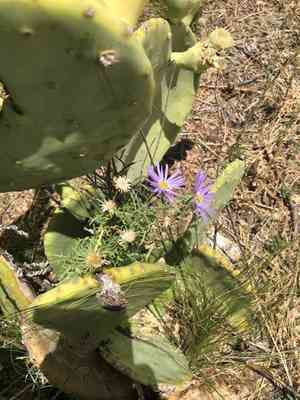
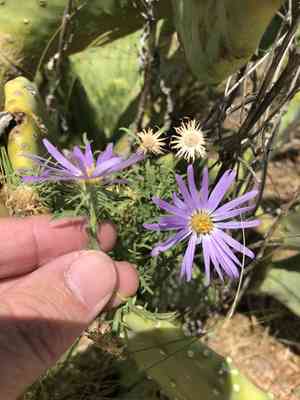
Quickly Identify Tansyleaf Tansyaster
1
To identify Machaeranthera tanacetifolia, look for its finely divided leaves resembling those of tansy and its daisy-like purple flowers with yellow centers. The plant has a bushy habit and is often found in dry, open places.
Scientific Classification of Tansyleaf Tansyaster
Phylum
Vascular plants
Class
Dicotyledons
Order
Asterales
Family
Daisy
Genus
Tansyaster
Species
Tansyleaf Tansyaster
Planting and Growing of Tansyleaf Tansyaster
Care Difficulty
Easy
Watering Schedule
Every 2 days
Sunlight Requirements
Full sun
Sunshine Duration
8-12 hours
Ideal Temperature
65-75℉
Soil Type
Potting Mix, Peat Mix
Soil pH
6.5-7.5
Fertilizer Type
Balanced
Pruning Season
Spring, Summer
Pruning Area
Branches, Leaves
Pruning Frequency
2 times a year
Repotting Season
Spring
Pot Type
Plastic, Ceramic
 How to Water Tansyleaf Tansyaster?
Machaeranthera tanacetifolia prefers a moderate watering approach. Ensure that the soil remains moist but not waterlogged. Generally, about 300 milliliters of water is ideal per watering session. The water should reach the root zone thoroughly while ensuring that the topsoil dries out slightly between waterings.
What are the symptoms of an underwatered Tansyleaf Tansyaster?
›
What should I do if my Tansyleaf Tansyaster is not getting enough water?
›
What are the symptoms of an overwatered Tansyleaf Tansyaster?
›
How to save an overwatered Tansyleaf Tansyaster?
›
 What Are the Sunlight Requirements for Tansyleaf Tansyaster?
Prefers full sunlight for most, if not the entire day. Ideal light encourages abundant flowering and prevents fungal infestations, critical for a healthy life cycle.
More About Sunlight Requirements Techniques→
How much sunlight does it need?
›
Where should I place it?
›
What are the benefits of ideal lighting?
›
 What Is the Ideal Temperature Range for Tansyleaf Tansyaster?
The ideal temperature range for growing Machaeranthera tanacetifolia is between 65°F to 75°F. This range provides optimal conditions for its physiological processes, ensuring healthy growth and robust flowering. Maintaining temperatures within this range helps in promoting metabolic activities that are crucial for the plant's survival and ornamental display.
 What Soil is Best for Tansyleaf Tansyaster?
This plant thrives in soil that offers excellent drainage, preventing root rot and other water-related issues. Ensuring good drainage increases the plant's longevity and resilience. The soil should have moderate fertility, providing adequate nutrients without excessive richness. This balance supports healthy growth and vibrant blooms, keeping the plant robust. A light soil texture aids root development and nutrient uptake, allowing Machaeranthera tanacetifolia to establish strong root systems. This leads to healthier and more abundant flowering.
 How to Fertilize Tansyleaf Tansyaster?
For Machaeranthera tanacetifolia, use a balanced liquid fertilizer diluted to half strength. Apply about 1/4 cup per plant once every two weeks during the growing season. Slow-release granular fertilizer can be used sparingly, around 2 teaspoons per plant at the start of the growing season.
 How to Prune Tansyleaf Tansyaster?
Inspect the plant first for any stems that appear brown, shriveled, or diseased. These should be cut back to the base or until you reach healthy tissue, encouraging new growth. Trim excess growth to shape your plant. Focus on maintaining a rounded and balanced aesthetic. This not only improves appearance but ensures even sunlight exposure. Throughout the growing season, focus on removing spent flowers and any crossing or conflicting branches. This type of pruning helps in maintaining airflow and light penetration.
More About Pruning Techniques→
 How to Propagate Tansyleaf Tansyaster plant?
1
Fill a seed tray with a well-draining potting mix, leaving a small space at the top for watering. The mix should be lightly moistened before sowing the seeds. This helps create an optimal environment for the seeds to germinate.
2
Sprinkle the seeds evenly across the tray's surface, then cover them with a thin layer of potting mix. Seeds should not be buried too deeply, as this can impede germination. A light covering allows sunlight to reach the seeds, which can be beneficial for some species.
3
Place the tray in a warm, bright location away from direct sunlight. Ensure the soil remains consistently moist by gently misting it with a spray bottle. Avoid overwatering, as this can lead to damping-off, a common fungal issue in seedlings.
 How to Repot Tansyleaf Tansyaster plant?
1
To determine when to repot Machaeranthera tanacetifolia, look for signs such as roots growing out of the drainage holes, slowed growth, or the plant becoming too top-heavy. These signals suggest it's time to provide more space and nutrients, typically during Spring or Summer for optimal growth conditions.
2
Choose a new pot that is 1-2 inches larger in diameter than the current one. It should have drainage holes at the bottom to prevent waterlogging. A slightly larger pot helps to give the roots room to expand, which promotes healthier growth and prevents root rot.
3
For Machaeranthera tanacetifolia, select a well-draining sandy soil mix. This type of soil prevents water from lingering around the roots, which is crucial for avoiding root rot and mimicking the plant's natural habitat.
Learn More About Tansyleaf Tansyaster Diseases
Anthracnose
Bacterial Leaf Spot
Bacterial Wilt
Crown Gall
Cyst Nematode
Damping-off
Downy Mildew
Drought Stress
Fusarium Wilt
Gray Mold
Leaf Curl
Leaf Spot
Mosaic
Nutrient Deficiency
Nutrient Toxicity
Powdery Mildew
Root Rot
Root-knot Nematode
Rusts
Sooty Mold
Spider Mites
Temperature Stress
Thrips Damage
White Mold
Chemical Injury



