How to Prune Tansyleaf Tansyaster?
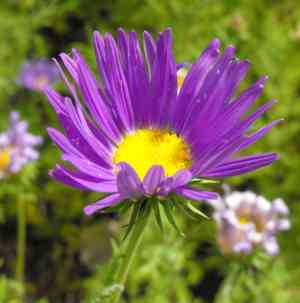
This robust perennial, recognized for its vivid flowers, tansyleaf Tansyaster flourishes with regular trimming to foster denser foliage and increased floral production. Removing faded flowers consistently throughout the blooming period stimulates additional blossoming. Trimming should be performed in late spring to sculpt the plant and manage its dimensions, and in late autumn to ready it for its winter resting phase. Periodic pruning also averts excessive density and illness by improving air movement. Thoughtful pruning can result in a more vigorous and visually appealing plant.
Advantages of Trimming Tansyleaf Tansyaster
Advantages of Trimming Tansyleaf Tansyaster
Trimming tansyleaf Tansyaster promotes robust development and helps maintain its desired form. Regular cutting back encourages healthy new shoots, leading to a fuller, more attractive plant. This practice also aids in managing its size within the landscape.
Optimal Time for Pruning Tansyleaf Tansyaster
Optimal Time for Pruning Tansyleaf Tansyaster
Pruning tansyleaf Tansyaster in early Spring is beneficial as the plant emerges from dormancy, stimulating new growth and a more compact shape. Late Summer pruning aligns with post-flowering periods, making it ideal for removing spent blooms and shaping the plant, thereby directing its resources towards healthy foliage and preparing it for the next blooming cycle. Fall pruning is suitable for general maintenance, such as removing dead or diseased stems, which can promote healthier growth the following year and prevent disease spread. Pruning during these seasons ensures tansyleaf Tansyaster sustains vigorous growth, abundant flowering, and maintains a tidy appearance.
Tools Required for Pruning Tansyleaf Tansyaster
Bypass pruners
Perfect for making clean cuts through green, living stems of tansyleaf Tansyaster, minimizing damage to plant tissues.
Sharp scissors
Useful for snipping off spent flowers or deadheading to encourage further blooming in tansyleaf Tansyaster.
Gardening gloves
Offer protection for the gardener's hands from any potentially sharp foliage of tansyleaf Tansyaster.
Pruning saw
Essential for cutting through any woody stems over half an inch in diameter that may occur in more established tansyleaf Tansyaster plants.
Long-handled loppers
Effective for reaching into the plant to prune without harming surrounding growth or the gardener, especially useful if tansyleaf Tansyaster has grown to a substantial size.
How to Prune Tansyleaf Tansyaster
Disinfect tools
Before starting, ensure all pruning tools are clean and disinfected to prevent the spread of disease to tansyleaf Tansyaster.
Identify withered leaves
Carefully examine tansyleaf Tansyaster, identifying all withered leaves that may be brown, dry, or visibly damaged.
Cut withered leaves
Using sharp scissors or pruning shears, trim off withered leaves at the base of the leaf stem, taking care not to damage new growth or healthy tissues of tansyleaf Tansyaster.
Dispose waste
Remove and dispose of all trimmed withered leaves away from the plant to reduce the risk of disease and pests for tansyleaf Tansyaster.
Clean up
After pruning, clean all tools used on tansyleaf Tansyaster and tidy up the surrounding area to maintain a healthy growing environment.
Common Pruning Errors with Tansyleaf Tansyaster
Overpruning
Removing too much foliage or too many stems may weaken tansyleaf Tansyaster and reduce its capacity to bloom.
Underpruning
Failure to remove enough dead or diseased tissue can impede the growth of healthy parts of tansyleaf Tansyaster.
Improper Tool Use
Using dull or dirty pruning tools can lead to jagged cuts and increase the risk of disease for tansyleaf Tansyaster.
Tearing Stems
Incorrect cutting technique causing tears can lead to unnecessary damage and stress for tansyleaf Tansyaster.
Neglecting Plant Shape
Random or unstrategic cuts without considering the natural shape of tansyleaf Tansyaster might lead to an undesired growth pattern.
Ignoring Deadheads
Not removing spent flowers can prevent tansyleaf Tansyaster from redirecting energy towards new growth and flowering.
General Pruning Advice for Tansyleaf Tansyaster
Sharp Tools
Utilize sharp, clean pruning shears to make precise cuts that will heal quickly and reduce the chance of disease in tansyleaf Tansyaster.
Selective Pruning
Focus on removing only dead, damaged, or diseased foliage and stems to maintain the health and appearance of tansyleaf Tansyaster.
Angle Cuts
Make angled cuts just above a bud or branching point to promote healthy regrowth in the desired direction for tansyleaf Tansyaster.
Thinning Crowded Areas
Thin out crowded sections of tansyleaf Tansyaster to improve air circulation and light penetration, which can enhance flowering.
Plan the Shape
Consider the natural habit of tansyleaf Tansyaster when pruning to preserve its form and encourage a balanced appearance.
Timely Deadheading
Regularly remove spent flowers to encourage tansyleaf Tansyaster to produce more blooms and conserve its energy for healthy growth.



