How Much Sunlight Do Tansyleaf Tansyaster Need?
1
Tansyleaf Tansyaster flourishes optimally with more than 6 hours of direct sun each day.
2
Although Tansyleaf Tansyaster favors abundant sunlight, it can endure conditions of partial shade.
3
Observing your plant's light exposure assists in avoiding problems stemming from insufficient or too much sun.
Understanding Tansyleaf Tansyaster Light Needs
Preferred Light Conditions
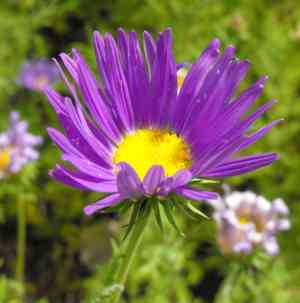
The Tansyleaf Tansyaster is a robust plant that flourishes in bright, direct light. This lovely flowering plant, with its delicate purple blossoms, is well-suited to locations where it can receive ample illumination. Typically, Tansyleaf Tansyaster prefers to bask in full sun, meaning it requires over 6 hours of direct sunlight daily to thrive. Ensuring this amount of light not only promotes vigorous growth but also encourages more abundant flowering.
Natural Environment of Tansyleaf Tansyaster
Originating from regions with abundant sunlight, Tansyleaf Tansyaster frequently grows in open spaces, such as meadows and prairies, where light is plentiful throughout the day. These habitats offer the ideal conditions for this plant to develop and bloom effectively. Understanding its native environment helps gardeners replicate these circumstances, creating the best possible setting for Tansyleaf Tansyaster in home gardens.
Optimal Light Exposure for Tansyleaf Tansyaster
Full Sun vs. Partial Shade
While Tansyleaf Tansyaster thrives in full sunlight, it can still endure partial shade. Full sun provides more than 6 hours of direct light, which is perfect for encouraging strong growth and flowering. In partial shade conditions, where the plant might receive 3-6 hours of direct light, it can still survive but may not achieve its full potential in terms of flower production and overall vigor.
Daily Light Duration
Ensuring that Tansyleaf Tansyaster receives sufficient light hours is vital. Aim for over 6 hours of sunlight daily. Position the plant in a south-facing or west-facing spot to maximize exposure. If you live in an area with limited sunlight during certain seasons, consider moving the plant to a location that captures the most available light throughout the day.
Seasonal Light Fluctuations
Seasonal changes can affect the amount of sunlight your Tansyleaf Tansyaster receives. During summer, with longer days, the plant will naturally get more light, but in winter, shorter days may reduce light exposure. To counter this, you might need to adjust the plant's placement or consider using supplementary lighting to maintain adequate light levels year-round.
Tips for Ensuring Proper Light for Tansyleaf Tansyaster
Monitoring Light Exposure
Regularly observe how much light your Tansyleaf Tansyaster is receiving. Check for alterations in light patterns due to the sun's shifting position through the seasons. This can help you make necessary adjustments to your plant's location to ensure it continues to get optimal light.
Adjusting Plant Placement
If you notice your Tansyleaf Tansyaster isn't getting enough light, don't hesitate to relocate it to a brighter spot. South-facing windows or outdoor areas that receive ample daylight are ideal. Conversely, if the plant is getting scorched by too much intense afternoon sun, moving it to a location where it gets some shade during the hottest parts of the day can be beneficial.
Utilizing Artificial Grow Lights
For those in areas with limited natural light, especially during colder months, employing artificial grow lights can be a practical solution. Position the grow lights above the Tansyleaf Tansyaster and set them to mimic natural light cycles. Opt for full-spectrum grow lights to provide the necessary light wavelengths that promote healthy plant development and blooming.
Common Light-Related Issues and Solutions for Tansyleaf Tansyaster
Signs of Excessive Light
Too much sunlight can cause Tansyleaf Tansyaster to exhibit signs of stress such as yellowing or browning foliage, wilting, or dry leaf edges. If you observe these symptoms, it may indicate the plant is receiving too much direct light, particularly during peak afternoon hours.
Signs of Insufficient Light
Conversely, inadequate sunlight can lead to poor growth and flowering. If your Tansyleaf Tansyaster appears leggy, with elongated stems and sparse blooms, it might not be getting enough light. Additionally, leaves may become pale or lose their vibrant green hue.
Solutions for Light Problems
To resolve light issues, adjust the plant's location accordingly. Move it to a spot with more or less light based on the observed symptoms. For excessive light, provide partial shading during the most intense hours. For too little light, relocate the plant to a more illuminated area or use artificial grow lights to supplement natural light.



