The Tansyleaf Tansyaster Plant Advantage: Maximizing Home and Office Appeal and Wellness
1
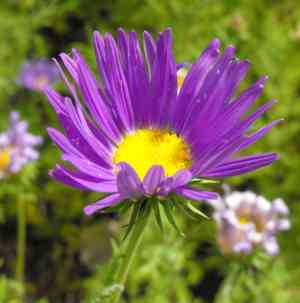
Tansyleaf Tansyaster is recognized for its vivid, daisy-shaped blooms that draw in beneficial insects.
2
This species tolerates arid conditions and flourishes in parched, sandy ground.
3
Tansyleaf Tansyaster has historically been utilized for its potential ecological advantages.
What Are the Aesthetic Advantages of Tansyleaf Tansyaster?
Appealing Blooms
Tansyleaf Tansyaster showcases vivid, daisy-like flowers in shades of purple and yellow, making it a visually striking feature in any garden. These beautiful blossoms can brighten landscapes and act as a focal point in garden design.
Seasonal Allure
A key characteristic of Tansyleaf Tansyaster is its extended flowering period, typically from late spring through early autumn. This prolonged bloom time ensures your garden stays colorful and vibrant for a significant portion of the year.
How Does Tansyleaf Tansyaster Benefit the Environment?
Attracting Pollinators
Tansyleaf Tansyaster draws in various pollinators, including bees, butterflies, and other beneficial insects. Its nectar-rich flowers offer vital food sources for these creatures, aiding pollination and improving the overall health of your garden's ecosystem.
Soil Stabilization
The deep root system of Tansyleaf Tansyaster makes it especially effective at preventing soil erosion. Its roots bind the soil, reducing runoff and encouraging water absorption. This not only helps maintain soil health but also supports surrounding plant life.
What Are the Cultivation Requirements for Tansyleaf Tansyaster?
Soil Preferences
Tansyleaf Tansyaster thrives in well-drained, sandy soils, making it an excellent choice for gardens with less-than-ideal soil conditions. Its ability to grow in poor soil contributes to its hardiness and makes it a low-maintenance addition to your garden.
Watering Needs
A highly appealing aspect of Tansyleaf Tansyaster is its drought tolerance. This plant needs minimal watering, making it a great option for xeriscaping and water-efficient gardening. Once established, Tansyleaf Tansyaster can flourish with only natural rainfall.
How Can Tansyleaf Tansyaster Enhance Biodiversity?
Supporting Native Wildlife
By planting Tansyleaf Tansyaster, you encourage the presence of native wildlife. This plant provides habitat and nourishment for various insects and small animals, fostering a balanced and diverse ecosystem in your garden.
Complementary Planting
Tansyleaf Tansyaster can be effectively paired with other native plants to create a rich blend of textures and colors. This complementary planting not only boosts visual appeal but also supports a wide array of pollinators and beneficial insects.
What Upkeep Does Tansyleaf Tansyaster Require?
Minimal Upkeep
One of the greatest advantages of Tansyleaf Tansyaster is its low-maintenance nature. This plant needs minimal intervention once established, making it a perfect choice for gardeners seeking a beautiful yet easy-to-care-for option.
Natural Pest Resistance
Tansyleaf Tansyaster is naturally resistant to many common pests and diseases, reducing the need for chemical treatments. This characteristic enhances its eco-friendliness and ensures a healthier garden environment.



