How to Transplant Winged loosestrife?
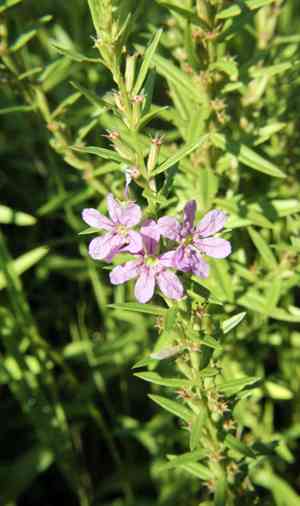
For Lythrum alatum, the ideal period for relocation spans from early spring's onset to the threshold of summer's heat, fostering vigorous development. Opt for a location receiving ample sunlight to partial shade, featuring damp earth. Careful manipulation of the root system during the move enhances establishment.
What Preparations are Needed Before Transplanting Winged Loosestrife?
What is the Ideal Time for Transplanting Winged Loosestrife?
Choose the revitalizing period, from when the cold recedes until the first blossoms appear, to move winged loosestrife. This early start promotes strong root development before summer. Relocating winged loosestrife during this window minimizes plant stress, as mild temperatures and consistent spring moisture create optimal conditions for root growth. Embrace this time of growth and renewal to give winged loosestrife the best chance to flourish, establishing a foundation for healthy foliage and vibrant displays in your garden.
How Much Space Should You Leave Between Winged Loosestrife Plants?
When relocating winged loosestrife, imagine each plant having its own personal space. Aim for a separation of approximately 18-24 inches (45-60 cm) between them. This provides each winged loosestrife ample room to expand without encroaching on its neighbors!
What is the Best Soil Mix for Winged Loosestrife Transplanting?
Let's prepare the bed for winged loosestrife with soil that drains well - consider loamy or sandy soil types. Before planting, incorporate some balanced, slow-release fertilizer as a welcoming boost to help them establish firmly in their new location.
Where Should You Relocate Your Winged Loosestrife?
Select a site for winged loosestrife with either full sun exposure or partial shade. They enjoy absorbing sunlight for at least 6 hours daily, much like a sunbather on a bright summer day, ensuring they will thrive beautifully in your garden.
What Equipments Should You Prepare Before Transplantation Winged Loosestrife?
Gardening Gloves
To safeguard your hands while handling soil and the plant.
Shovel or Spade
For excavating and lifting the plant's root mass.
Pruning Shears
To trim any dead or damaged roots and stems.
Watering Can or Hose
To hydrate the plant before and after its relocation.
Wheelbarrow or Garden Cart
To move the plant and soil.
Stake or Plant Support
To stabilize the plant if needed following transplantation.
How Do You Remove Winged Loosestrife from the Soil?
How Do You Remove Winged Loosestrife from the Soil?
From Ground: Hydrate the winged loosestrife plant to moisten the soil. Use a shovel or spade to dig a wide trench around the plant, being careful not to harm the root ball. Gently work the tool beneath the root ball to lift the plant out.From Pot: Thoroughly water the winged loosestrife plant to make the soil damp. Turn the pot on its side and gently tap the bottom or sides to loosen the plant. Carefully slide the plant out while supporting the soil and roots.From Seedling Tray: Water the seedlings so the soil is moist, which helps prevent root damage. Use a spoon or a dibber to carefully remove the seedlings from the tray, ensuring to keep as much soil around the roots as possible.
Step-by-Step Guide for Transplanting Winged Loosestrife
Preparation
Ensure the ground where you're relocating winged loosestrife is properly prepared with loosened soil.
Root Ball
When extracting winged loosestrife from its original spot, retain as much of the root ball and attached soil as possible.
Transplant Hole
Excavate a hole in the ground that is twice the width of the root ball and equally deep, to allow space for the roots to spread.
Positioning
Place winged loosestrife in the center of the hole. The top of the root ball should be level with the surrounding ground's surface.
Refilling
Carefully backfill the hole with soil, gently pressing it down without excessive compaction, to avoid air pockets.
Watering
Water the plant thoroughly immediately after transplanting to settle the soil around the roots and help reduce transplant shock.
Stabilizing
If winged loosestrife is tall or top-heavy, provide support with stakes or plant supports to prevent it from falling over.
How Do You Care For Winged Loosestrife After Transplanting?
Monitoring
Observe your winged loosestrife for indications of transplant shock, such as wilting or yellowing leaves, and address them as necessary.
Watering
Maintain consistent soil moisture around winged loosestrife, especially during the initial weeks, to aid root establishment.
Mulching
Apply a layer of mulch around the base of winged loosestrife to help retain moisture and suppress weeds, keeping it a few inches away from the stem.
Supporting
Adjust and confirm that any stakes or supports are effectively stabilizing the plant without harming the stem or roots.
Pruning
Trim any dead or damaged stems to help winged loosestrife conserve energy and focus on developing new growth.
Troubleshooting Common Issues with Winged Loosestrife Transplantation.
What's the best time to transplant winged loosestrife for successful growth?
The optimal period for relocating winged loosestrife is from early to late spring, when temperatures are milder.
How much space should I leave between winged loosestrife plants?
Position winged loosestrife plants approximately 18-24 inches (45-60 cm) apart to ensure they have adequate room to flourish.
Why are my transplanted winged loosestrife plants wilting?
Wilting after moving winged loosestrife could be due to root shock. Ensure proper hydration and avoid direct sunlight for a few days.
How deep should I plant winged loosestrife when transplanting?
Relocate winged loosestrife at the same depth it was in its previous container or ground, not deeper to prevent stem rot.
Is it necessary to prune winged loosestrife during transplanting?
Pruning is not essential, but removing damaged or excessively long roots can stimulate new growth.
How do I know if my soil is right for winged loosestrife?
Winged loosestrife prefers moist, well-drained soil. Conduct a soil test or consult a local nursery if you are uncertain.
Can I transplant winged loosestrife in the summer or fall?
Moving winged loosestrife in summer or fall is not ideal due to heat or frost, which can stress the plant.
Should I water winged loosestrife immediately after transplanting?
Yes, provide winged loosestrife with a thorough watering after transplanting to help settle the soil around its roots.
What should I do if winged loosestrife doesn't bloom the first year after transplanting?
Be patient; winged loosestrife may not flower the first year as it prioritizes root establishment. Ensure proper care for future blooms.
Is it possible to transplant winged loosestrife on a rainy day?
Yes, overcast or lightly rainy days are perfect for relocating winged loosestrife as these conditions reduce stress on the plant.



