The Winged loosestrife Plant Advantage: Maximizing Home and Office Appeal and Wellness
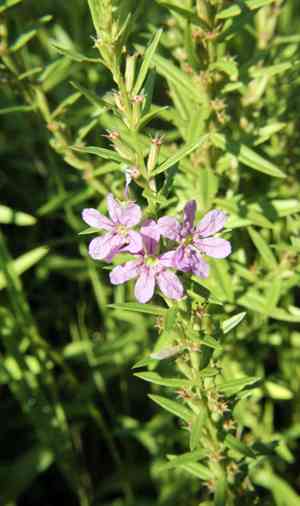
1
Winged loosestrife flourishes in marshy environments, making it ideal for the perimeters of ponds and damp spots.
2
This flora aids in drawing in pollinators such as bees and butterflies, boosting the variety of life in your garden.
3
Winged loosestrife is suitable for forming attractive natural boundaries and privacy screens in garden layouts.
Why Opt for Winged Loosestrife in Your Garden?
Suitability for Moist Environments
Winged loosestrife is exceptionally well-suited for damp areas, flourishing where other plants might struggle. Its preference for wet, boggy conditions makes it perfect for planting near ponds, lakes, or any waterlogged spots in your garden. This adaptability not only aids in maintaining the health and balance of wetland ecosystems but also adds a touch of natural beauty to these often underutilized spaces.
Attracts Beneficial Insects
A key advantage of Winged loosestrife is its capacity to draw in various pollinators, including bees, butterflies, and other helpful insects. The vibrant blooms of Winged loosestrife serve as an excellent nectar source, supporting the local pollinator population. By incorporating Winged loosestrife into your garden, you contribute to the well-being of these vital creatures and foster a more sustainable and thriving ecosystem.
How Does Winged Loosestrife Enhance Garden Aesthetics?
Forms Natural Boundaries and Screens
If you're looking to establish natural borders or screens in your garden, Winged loosestrife is an ideal plant for the task. Its tall, elegant stems and bright, appealing flowers create a visually pleasing barrier that can define areas and offer privacy. Whether used along property edges or to delineate different garden zones, Winged loosestrife adds grace and charm to any landscape design.
Year-Round Visual Appeal
Winged loosestrife provides continuous visual interest, with its stunning flowers blooming in midsummer and persisting well into autumn. The plantâs foliage transitions through a range of colors as the seasons change, ensuring your garden remains dynamic and captivating throughout the year. This seasonal beauty makes Winged loosestrife a valuable addition to any garden seeking ongoing aesthetic appeal.
What Are the Environmental Advantages of Winged Loosestrife?
Soil Stabilization
Winged loosestrife plays a significant role in preventing soil erosion, particularly in wetland regions. Its robust root system helps stabilize the ground and prevent erosion around water bodies, protecting the landscape from the detrimental effects of water runoff and soil degradation. By planting Winged loosestrife along shorelines or in areas prone to erosion, you can safeguard your garden and promote soil health.
Supports Wildlife Habitats
Winged loosestrife offers crucial habitats for a variety of wildlife, including birds, amphibians, and insects. Its dense foliage and structure provide shelter and breeding grounds for these creatures. Incorporating Winged loosestrife into your garden not only enhances its ecological value but also creates a vibrant, wildlife-friendly environment that benefits numerous species.
How to Care for Winged Loosestrife in Your Garden?
Soil and Light Needs
Winged loosestrife prefers moist, well-drained soils and thrives in full to partial sunlight. Selecting the appropriate location in your garden is vital for its optimal growth. While it can tolerate various conditions, providing ideal soil and light will ensure Winged loosestrife remains healthy and vibrant.
Watering and Upkeep
Consistent watering is essential, especially during dry spells, to keep the soil continuously moist. Winged loosestrife is relatively low-maintenance but benefits from annual pruning to encourage new growth and maintain its form. Providing adequate water and performing occasional pruning will keep Winged loosestrife flourishing throughout the year.



