How to Propagate Winged loosestrife?
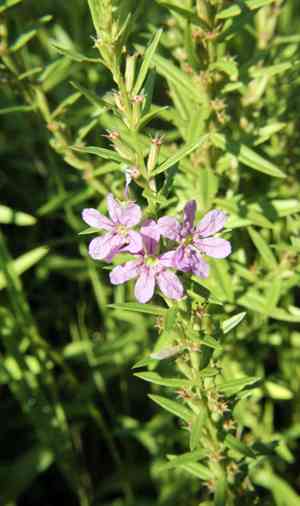
Lythrum alatum, a perennial plant appreciated for its violet floral clusters and resilient characteristics, flourishes in damp conditions commonly found in wetlands or garden edges. The most effective method for propagating Lythrum alatum entails planting seeds directly into humid, adequately draining earth, preferably following a cold stratification phase to boost sprouting. Regular irrigation and exposure to partial or full sunlight encourage vigorous development and assist in preserving the vivid blossoms characteristic of Lythrum alatum.
Optimal Time for Winged Loosestrife Propagation
Propagation Method
Seeding
Propagation Period
Spring
Tools for Winged Loosestrife Propagation
Seed trays
Seed trays are vital for initiating winged loosestrife from seeds. These containers aid in organizing seeds and ensuring uniform spacing, promoting adequate air circulation and minimizing fungal disease risk. Individual cells in seed trays also prevent root damage during transplanting, which is crucial for delicate winged loosestrife seedlings.
Peat pots
Peat pots are advantageous for winged loosestrife, as they can be directly placed into the soil post-germination. This minimizes root disturbance, which is essential for the sensitive roots of winged loosestrife. Peat pots also naturally decompose in the soil, improving soil structure and providing a smooth transition for young plants.
Misting bottle
A misting bottle is utilized to gently hydrate winged loosestrife seeds without disturbing the soil or causing erosion. This tool enables precise humidity and moisture control, which are critical for winged loosestrife germination. Consistent, gentle misting helps maintain optimal soil moisture for seed germination.
Heat mat
A heat mat facilitates efficient germination of winged loosestrife by maintaining a steady soil temperature. The warmth from the heat mat stimulates the germination process and ensures a higher success rate, especially in cooler climates or during colder months when indoor propagation of winged loosestrife is necessary.
Lighting system
Adequate lighting is essential for the healthy development of winged loosestrife seedlings after germination. A lighting system, particularly one that mimics sunlight, supports healthy photosynthesis and growth. Adjustable systems are recommended to meet the light needs of winged loosestrife as it grows from seed to seedling.
How to Propagate Winged Loosestrife?
Propagation Type
Simple
Caring for Your Newly Propagated Winged Loosestrife
Caring for Your Newly Propagated Winged Loosestrife
Winged loosestrife thrives best in full sun to partial shade and requires moist, well-drained soil. Consistent watering is essential, especially during dry spells. Mulching can help retain soil moisture and suppress weeds. Monitor for pests and diseases, treating them as needed to maintain plant health. Pruning is generally not required, but you may remove spent flower stems for a tidy appearance.
Common Errors to Avoid When Propagating Winged Loosestrife
Overwatering
Excessive water can lead to root rot and fungal issues, particularly as winged loosestrife's roots prefer well-drained conditions. Overwatering can suffocate roots, hindering growth and reducing the plant's overall vitality.
Using dense soil
Heavy or compacted soil can impede root development for winged loosestrife, which thrives in well-drained, loamy soils. Compacted soils can restrict air and moisture movement, hindering root expansion and health.
Ignoring plant spacing
Planting winged loosestrife too close to other plants can result in competition for resources, including nutrients, sunlight, and water. Proper spacing is crucial for adequate air circulation and reducing the spread of pests and diseases.
Neglecting to remove weeds
Weeds can outcompete winged loosestrife for vital nutrients and space, potentially stunting its growth. Regular weeding ensures that winged loosestrife doesn't have to contend for resources, promoting healthier development.
Tips For Propagating Winged Loosestrife
Use of root cuttings
Root cuttings are an effective method for propagating winged loosestrife because they can readily produce new shoots. This technique involves cutting a section of the root and planting it in a suitable propagation medium.
Maintaining moderate moisture
While winged loosestrife requires consistent moisture, it is crucial to avoid waterlogging. Using a well-draining soil mix and monitoring the watering schedule ensures the roots are moist but not soaked.
Selecting healthy parent plants
Choosing vigorous and disease-free plants as sources for propagation materials ensures that the new plants will inherit robust characteristics. Healthy parent plants are more likely to produce viable and strong offspring.
Ensuring sufficient light and partial shade
While winged loosestrife tolerates a range of light conditions, providing a balance between sunlight and partial shade can optimize growth and encourage successful propagation. This balance helps prevent stress and supports robust development.



