How to Prune Winged loosestrife?
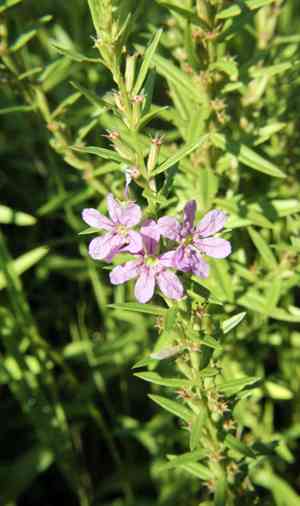
This enduring herbaceous wildflower, recognized by its violet floral spikes and alate stems, thrives with trimming in spring and summer to preserve its form and stimulate fresh development. For winged loosestrife, sever stems to soil level in early spring to encourage robust foliage and blossoms. Throughout summer, remove faded blooms to facilitate ongoing flowering and inhibit self-propagation. Verify that implements are disinfected to avert pathogen transmission. Consistent trimming boosts plant vitality and visual attractiveness.
What Are the Benefits of Pruning Winged Loosestrife?
What Are the Benefits of Pruning Winged Loosestrife?
Trimming winged loosestrife promotes robust development and maintains its desired form. Strategic cutting back stimulates new, healthy shoots, ensuring winged loosestrife remains strong and visually appealing while staying within a manageable size.
What Is the Best Time for Pruning Winged Loosestrife?
What Is the Best Time for Pruning Winged Loosestrife?
Late Winter to Early Spring is optimal for pruning winged loosestrife as it occurs before new growth begins, allowing the plant to channel its energy into producing fresh, healthy shoots. Pruning at this time minimizes stress on winged loosestrife and avoids cutting off potential flower buds, which develop later in the season. Late Summer pruning should be performed after flowering has concluded, enabling winged loosestrife to recover and prepare for dormancy without the risk of new growth being damaged by early frosts.
What Tools Do I Need to Prune Winged Loosestrife?
Bypass Pruners
Perfect for making clean cuts on the green stems of winged loosestrife. Bypass pruners operate like scissors, with two blades passing each other to create a precise cut without crushing the stems.
Pruning Shears
Useful for trimming and shaping winged loosestrife due to their sharp blades and comfortable grip, allowing for accurate control when cutting.
Garden Scissors
Effective for snipping off dead or yellowed leaves of winged loosestrife. Garden scissors offer precision for reaching into dense foliage without harming nearby stems.
Long-Handled Loppers
Suitable for reaching stems that are thicker or located deeper within the plant. The extended handles provide leverage to make cutting easier while reducing the need to bend or stretch.
How to Prune Winged Loosestrife
Sterilize tools
Before beginning to prune winged loosestrife, ensure all pruning tools are cleaned and disinfected to prevent the spread of disease.
Remove diseased leaves
Carefully inspect winged loosestrife and use hand pruners to remove any leaves that are diseased or show signs of infection, cutting at the base of the leaf stem.
Eliminate withered leaves
Identify and trim off withered or dead leaves from winged loosestrife to maintain plant health and appearance, cutting at the base of the leaf stem.
Cut diseased stems
Locate and remove diseased stems on winged loosestrife by cutting them back to healthy tissue, ensuring cuts are made at a 45-degree angle to facilitate water runoff and prevent disease.
Clean up
Dispose of all removed material from winged loosestrife properly, away from healthy plants, and clean the tools after pruning to minimize the risk of disease spread.
Common Pruning Mistakes with Winged Loosestrife
Overpruning
Excessive removal of foliage can stress winged loosestrife, leading to stunted growth or reduced vigor.
Improper cut location
Cutting too far from a bud or node can leave a long stem stub, which may not heal properly and could attract pests or diseases.
Using dull tools
Dull pruning tools may tear the stems of winged loosestrife, damaging the plant and creating open wounds that could become infected.
Pruning without reason
Randomly cutting back winged loosestrife without understanding the plant's growth pattern can result in a weak structure and poor flowering.
Ignoring plant shape
Failing to consider the natural habit of winged loosestrife during pruning can lead to an unnatural appearance and diminish its ornamental value.
Common Pruning Tips for Winged Loosestrife
Sharp tools
Use sharp, clean pruning shears or scissors to make clean cuts that winged loosestrife can quickly heal from, this will also minimize stress and reduce the risk of disease.
Prune to node
When reducing length or shaping winged loosestrife, always cut back to just above a leaf node or bud, encouraging the plant to send out new growth in a desirable direction.
Deadheading
Regularly remove spent flowers to promote further blooming and prevent winged loosestrife from investing energy into seed production.
Thinning interior
Thin out some central stems to improve air circulation and sunlight penetration, which will help keep winged loosestrife healthy and could prevent fungal diseases.
Conservative approach
Start pruning conservatively, especially if unsure about how much needs to be removed. You can always cut more later if necessary, but you can't undo excessive pruning.



