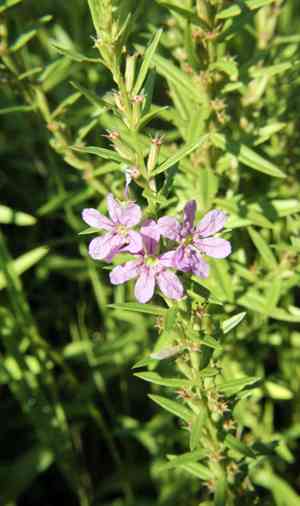
Winged loosestrife (Lythrum alatum)
Also known as: Wing-Angle Loosestrife
Winged loosestrife, scientifically known as Lythrum alatum, is a wildflower that showcases beautiful purple blooms with a crinkled tissue paper-like texture. This plant thrives in moist environments such as stream banks. While it is classified as endangered in certain parts of the United States due to habitat loss, it can also be invasive in other regions where it spreads rapidly.
In This Article
Attributes of Winged loosestrife
Lifespan
Perennial
Plant Type
Herb
Plant Height
30 cm to 1.2 m
Spread
15 cm to 30 cm
Leaf Color
Green
Flower Size
2.5 cm
Flower Color
Pink Purple Red
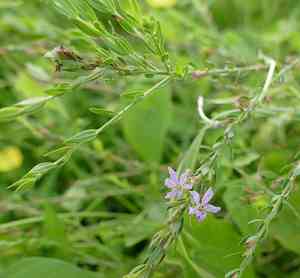
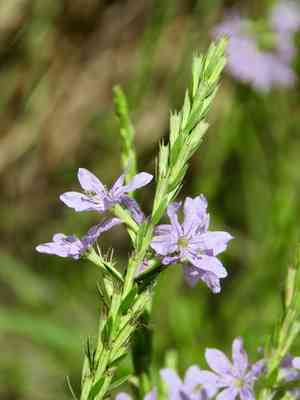
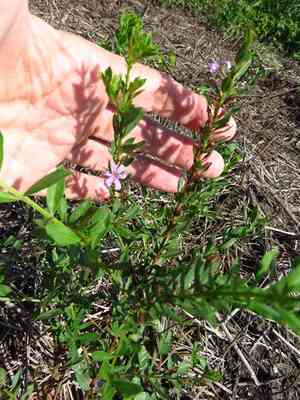
Images of Winged loosestrife
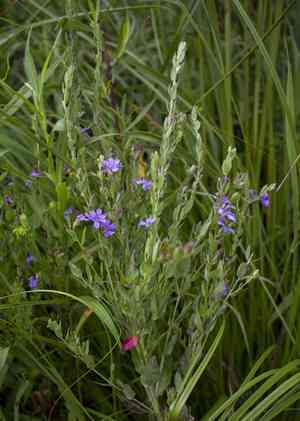
Quickly Identify Winged loosestrife
1
To identify Lythrum alatum, look for its square stems that have wing-like ridges. The leaves are opposite, narrow, and clasp the stem. The flowers are small, pink to lavender in color, and appear in the leaf axils.
Scientific Classification of Winged loosestrife
Phylum
Vascular plants
Class
Dicotyledons
Order
Myrtales
Family
Loosestrife
Genus
Loosestrifes
Species
Winged loosestrife
Planting and Growing of Winged loosestrife
Care Difficulty
Easy
Watering Schedule
Every 6 days
Sunlight Requirements
Full sun
Sunshine Duration
6-10 hours
Ideal Temperature
68-77℉
Soil Type
Potting Mix, Peat Mix
Soil pH
5.5-7.5
Fertilizer Type
Balanced
Pruning Season
Spring, Summer
Pruning Area
Branches, Leaves
Pruning Frequency
2 times a year
Repotting Season
Spring
Pot Type
Plastic, Ceramic
 How to Water Winged loosestrife?
Lythrum alatum prefers a consistent level of moisture in the soil, yet it's crucial to ensure that the soil isn't waterlogged. A watering schedule that provides approximately 250 ml of water per session allows the soil to become moist but not saturated. Aim for moist, loamy texture, avoiding puddling which can suffocate roots.
What are the symptoms of an underwatered Winged loosestrife?
›
What should I do if my Winged loosestrife is not getting enough water?
›
What are the symptoms of an overwatered Winged loosestrife?
›
How to save an overwatered Winged loosestrife?
›
 What Are the Sunlight Requirements for Winged loosestrife?
Lythrum alatum benefits most from half to full-day sunlight exposure, which fuels its growth cycle and supports vibrant blooming and healthy foliage, ensuring a robust, flourishing plant.
More About Sunlight Requirements Techniques→
What are ideal lighting conditions for Lythrum alatum?
›
What solutions can ensure these lighting conditions?
›
What are the benefits of ideal lighting for Lythrum alatum?
›
 What Is the Ideal Temperature Range for Winged loosestrife?
The ideal temperature range for growing Lythrum alatum is between 68°F and 77°F. This range promotes optimal photosynthesis and physiological functions, ensuring healthy growth and flowering. It is particularly important to maintain consistent temperatures within this range during the growing season.
 What Soil is Best for Winged loosestrife?
Lythrum alatum thrives in soil that can retain moisture well. Adequate moisture helps the plant maintain its vibrant purple blooms and lush foliage. A soil with good moisture retention prevents wilting during hot spells and supports robust growth. This plant prefers soils that allow excess water to drain efficiently. Well-drained soils prevent root rot and other waterlogging issues, promoting healthier root development and overall plant vigor. Lythrum alatum thrives best in nutrient-rich soils. Soils abundant in essential nutrients like nitrogen, phosphorus, and potassium contribute to abundant flowering and strong plant structure, ensuring a visually captivating garden presence.
 How to Fertilize Winged loosestrife?
The ideal amount of fertilizer for Lythrum alatum should be well-balanced to supply all necessary nutrients without overwhelming the plant. Use a balanced liquid fertilizer diluted to half strength during the growing season. Avoid over-fertilizing as it may harm the root system.
 How to Prune Winged loosestrife?
Start by identifying any dead or damaged stems and branches. Using clean, sharp pruning shears, cut these back to the base. Next, thin out any overly dense areas to improve air circulation by cutting them back to ground level. Finally, shape the remaining branches slightly to maintain the natural form of the plant. After pruning, apply a balanced, slow-release fertilizer to Lythrum alatum to support new growth. Water the plant deeply, ensuring the soil is moist but not waterlogged. Keep an eye on the plant's response to pruning and adjust future pruning techniques if necessary.
More About Pruning Techniques→
 How to Propagate Winged loosestrife plant?
1
When propagating through seeds, it is essential to ensure that the seeds are viable. Soak the seeds in water for 24 hours to encourage germination. Discard any seeds that float as they might not germinate successfully.
2
Select healthy stems and use sterilized garden shears to cut the stem approximately 10-15 cm long. Make sure to take the cuttings in the early morning to prevent excessive moisture loss. Remove any lower leaves to promote root growth.
3
Carefully dig up the plant and divide the root clumps into several sections, ensuring each section has a healthy root system. This should be done with clean tools to avoid transferring diseases to the new divisions.
 How to Repot Winged loosestrife plant?
1
Repot your Lythrum alatum when you notice roots growing out of the drainage holes or the plant seems to be stunted in growth. Early spring or autumn are ideal times when the plant is not actively blooming, allowing it to recover quickly.
2
Select a pot that is one size larger than the current one and has ample drainage holes. This ensures proper drainage and gives roots enough room to grow without waterlogging, preventing root rot and promoting healthy growth.
3
Opt for a moist but well-draining soil containing peat, perlite, and sand. This mix holds adequate moisture while allowing excess water to drain, preventing waterlogged conditions and ensuring the roots receive enough oxygen.
Learn More About Winged loosestrife Diseases
Anthracnose
Bacterial Leaf Spot
Bacterial Soft Rot
Bacterial Wilt
Black Spot
Chemical Injury
Crown Gall
Cyst Nematode
Damping-off
Downy Mildew
Drought Stress
Fusarium Wilt
Gray Mold
Leaf Curl
Leaf Spot
Mosaic
Nutrient Deficiency
Nutrient Toxicity
Powdery Mildew
Root Rot
Root-knot Nematode
Rusts
Sooty Mold
Spider Mites
Temperature Stress
Thrips Damage
White Mold



