How to Transplant Gromwell?
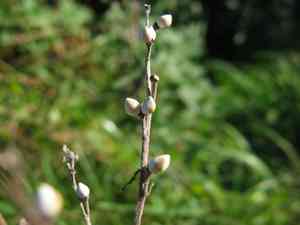
For optimal outcomes, transplant gromwell during the mild temperatures of mid to late spring, once the danger of frost has receded. Choose a location featuring adequately draining earth and dappled sunlight. Verify that the soil stays hydrated following transplantation to ensure a robust beginning.
Essential Preparations Before Moving Gromwell?
Optimal Period for Relocating Gromwell?
The prime window for resettling gromwell is when spring frolics into its full swing - a period of renewal and mild conditions, not strictly confined to mid-springs' embrace. Shifting gromwell during this vibrant season means they'll take root more effectively, capitalizing on the ideal balance of soil temperature and moisture. This seasonal timing offers gromwell the best start, with warmer soils and ample time to establish before the summer heat. So, imagine giving gromwell a cozy nook in your garden just when nature is most nurturing, allowing them to burgeon with the season's rhythm.
Required Spacing Between Gromwell Plants?
When preparing to plant your gromwell, ensure you space them about 12-18 inches (30-46 cm) apart. This allows your gromwells plenty of room to grow and thrive without crowding.
Ideal Soil Blend for Gromwell Relocation?
Your gromwell will do best in well-drained soil with a touch of base fertilizer. A balanced 10-10-10 mix, lightly worked into the topsoil, gives your gromwells a great start.
Optimal Location for Your Gromwell?
Choose a spot for your gromwell where they'll receive full sun to partial shade. This will provide them the right amount of light to flourish beautifully in your garden space.
Tools Required Before Transplanting Gromwell?
Gardening Gloves
To protect your hands while working with the soil and plant.
Spade or Shovel
To dig up the gromwell from its original location and prepare the new planting hole.
Hand Trowel
To refine the transplanting hole or to assist in lifting smaller plants.
Watering Can or Hose
To water the plant before and after transplanting, ensuring adequate moisture.
Wheelbarrow or Garden Cart
To transport the gromwell and soil, especially if the plant is large.
Pruning Shears
To trim any damaged or excessively long roots or foliage before transplanting.
Support Stakes
To provide stability to the gromwell in its new location if necessary.
Method for Extracting Gromwell from Soil?
Method for Extracting Gromwell from Soil?
From Ground: First, water the gromwell thoroughly to help ensure the root ball holds together. Use a spade or shovel to dig around the plant, giving a generous berth to avoid cutting into the root system. Gently pry beneath the root ball with your tool to lift the plant from the ground.From Pot: Water the gromwell well before starting. Tilt the pot to the side and gently tap it to loosen the soil. Place your hand over the soil surface with the plant stem between your fingers. Turn the pot upside down, supporting the plant as you gently remove it from the pot.From Seedling Tray: Water the seedlings to make the soil moist, which will make extraction easier. Use a hand trowel or a similar tool to gently lift the gromwell seedling from its compartment, being cautious not to damage the delicate roots.
Step-by-Step Instructions for Relocating Gromwell
Preparation
Ensure the intended ground location is free of weeds, debris, and other plants that may compete with the gromwell for resources.
Excavation
Dig a hole in the new location that is twice as wide as the root ball and of similar depth. Loosen the soil around the hole to facilitate easy root expansion.
Plant Positioning
Place the gromwell centrally in the hole so that the top of the root ball is level with the surrounding soil surface.
Filling the Hole
Backfill the hole with the excavated soil. Gently tamp down the soil around the plant to remove air pockets but avoid compacting the soil too tightly.
Stabilization
If the gromwell is tall or top-heavy, insert support stakes into the ground and loosely tie the plant to them for additional stability.
Initial Watering
Water the gromwell generously immediately after transplanting to settle the soil and provide moisture for the roots.
Post-Transplant Care for Gromwell?
Monitoring
Check on the gromwell regularly to monitor its adaptation to the new location. Look out for signs of stress such as wilting or discoloration of leaves.
Watering
Maintain a regular watering schedule to keep the soil evenly moist. Over the weeks, gradually reduce the frequency as the gromwell establishes itself.
Mulching
Apply mulch around the base of the gromwell to retain moisture, regulate soil temperature, and reduce weed pressure.
Pruning
Trim any dead or damaged leaves or stems to encourage healthy new growth.
Protection
Provide protection from pests and extreme weather, such as frost, if necessary based on your local climate.
Resolving Common Issues with Gromwell Relocation.
What's the ideal season for transplanting gromwell?
The best time to relocate gromwell is during mid to late spring, when temperatures are moderate and plants are starting active growth.
How far apart should I space gromwell when transplanting?
Aim for a spacing of 12-18 inches (30-46 cm) to give gromwell ample room for growth.
Why are my gromwell plants wilting after transplanting?
Wilting could be due to transplant shock. Ensure proper watering, avoid direct sunlight initially, and consider using a root stimulator.
How deep do I plant gromwell during transplanting?
Plant gromwell at the same depth it was growing before. Too deep or shallow can cause stress or poor growth.
What soil conditions are best for transplanting gromwell?
Well-draining soil rich in organic matter is ideal. Amend with compost if necessary to improve soil conditions.
How much should I water gromwell after transplanting?
Water thoroughly after transplanting, then maintain consistent moisture without overwatering to encourage root establishment.
What if leaves of gromwell turn yellow after transplanting?
Yellow leaves can indicate overwatering or poor drainage. Check soil moisture levels and adjust your watering routine appropriately.
Should I fertilize gromwell right after transplanting?
Wait a few weeks before fertilizing to avoid burning new roots. Opt for a gentle, balanced fertilizer.
Can gromwell be transplanted under full sun exposure?
Transplant gromwell into a spot with partial sun initially to reduce stress, then gradually acclimate to full sun if desired.
How do I protect transplanted gromwell from pests?
Keep an eye on your plant for pests, use appropriate controls if necessary, and maintain healthy growth to deter infestations.



