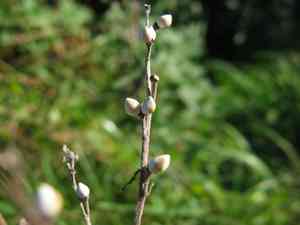
Gromwell (Lithospermum officinale)
Also known as: European stoneseed, European gromwell
The bushy plant known as gromwell (Lithospermum officinale) is not actually that common. It grows yellowish flowers and prefers alkaline soil. The name Gromwell comes from an Old French word, Gromil, and refers to the plant's seeds, with "mil" meaning "millet."
In This Article
Attributes of Gromwell
Lifespan
Perennial
Plant Type
Herb
Plant Height
80 cm
Spread
20-50 cm
Leaf Color
Green
Flower Size
6 mm
Flower Color
White Green Yellow
Images of Gromwell
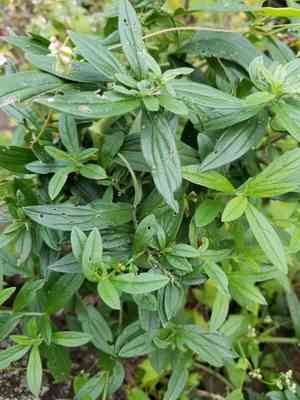
Quickly Identify Gromwell
1
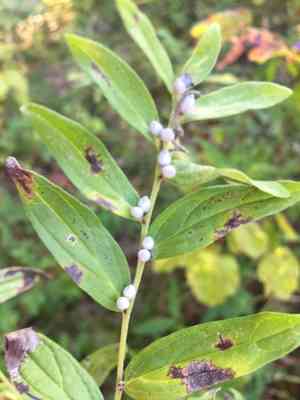
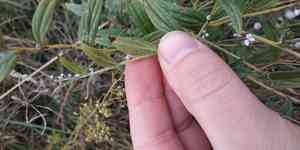
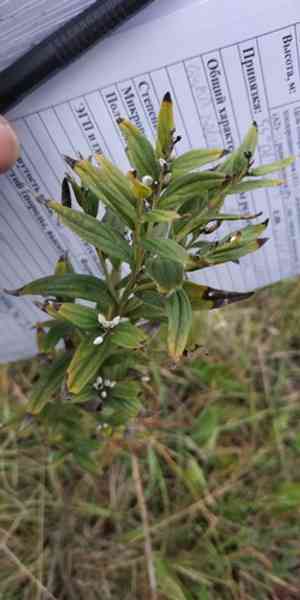
Look for rough, hairy stems, lanceolate to ovate leaves that are rough on both sides, and small, white flowers arranged in racemes. The seeds are small, hard, and shiny, resembling tiny stones.
Scientific Classification of Gromwell
Phylum
Vascular plants
Class
Dicotyledons
Order
Boraginales
Family
Borage
Genus
Gromwells
Species
Gromwell
Planting and Growing of Gromwell
Care Difficulty
Moderate
Watering Schedule
Every 2 days
Sunlight Requirements
Partial sun
Sunshine Duration
6-12 hours
Ideal Temperature
60-75℉
Soil Type
Potting Mix, Peat Mix
Soil pH
6.5-7.5
Fertilizer Type
Balanced
Pruning Season
Spring, Summer
Pruning Area
Branches, Leaves
Pruning Frequency
2 times a year
Repotting Season
Spring
Pot Type
Plastic, Ceramic
 How to Water Gromwell?
For Lithospermum officinale, it is essential to water deeply but not too frequently. The soil should be moist to a depth of around 5 cm but allow it to dry out between waterings to prevent root rot.
What are the symptoms of an underwatered Gromwell?
›
What should I do if my Gromwell is not getting enough water?
›
What are the symptoms of an overwatered Gromwell?
›
How to save an overwatered Gromwell?
›
 What Are the Sunlight Requirements for Gromwell?
Lithospermum officinale benefits from partial sunlight, about 4-6 hours daily. This balance optimizes the plant's vitality, ensuring robust foliage and successful blooms.
More About Sunlight Requirements Techniques→
What is the best light for Lithospermum officinale?
›
How can I ensure my plant gets enough light?
›
What are the benefits of proper lighting?
›
 What Is the Ideal Temperature Range for Gromwell?
Lithospermum officinale thrives best in an ideal temperature range of 60°F to 75°F. This range ensures that the plant is neither stressed by cold nor by excessive heat, allowing for optimal growth and health. When kept within this temperature band, the plant can efficiently perform photosynthesis and maintain vibrant foliage.
 What Soil is Best for Gromwell?
Lithospermum officinale flourishes best in well-drained soil, as it prevents waterlogging and allows roots to access oxygen. This is crucial to avoid root rot and to encourage healthy plant growth. The plant prefers moderately fertile soil. High fertility can lead to lush foliage at the expense of flowering. Balancing nutrients ensures ideal growth and an abundance of its small, white flowers. Lithospermum officinale tends to thrive in slightly alkaline conditions, benefiting from a soil pH closer to 7. Such conditions optimize nutrient availability and promote robust plant health.
 How to Fertilize Gromwell?
Lithospermum officinale prefers a balanced nutrient intake. Use a diluted liquid fertilizer at half the strength of what is recommended on the label for most green plants. For slow-release types, a small handful around the base is typically adequate.
 How to Prune Gromwell?
Start by sterilizing your pruning shears to prevent the spread of disease. Identify any dead, damaged, or diseased stems and remove them at the base. Shape the plant by cutting back overgrown sections to desired proportions. Make sure to cut above a node to stimulate new growth. Regularly check the interior branches to ensure good air circulation, which helps in preventing fungal infections.
More About Pruning Techniques→
 How to Propagate Gromwell plant?
1
Choose a well-draining soil mix, preferably with a combination of perlite and peat moss, to enhance aeration and retain adequate moisture for seed germination.
2
Sow seeds lightly on the soil surface and cover them just enough with a thin layer of soil. Ensure they receive indirect sunlight to facilitate germination.
3
Select a healthy stem from the parent plant and cut a 4-6 inch piece just below a node. Remove any lower leaves and immerse the cut end in rooting hormone before planting.
 How to Repot Gromwell plant?
1
Look for signs like roots growing through pot drainage holes, soil that dries out too quickly, or diminished plant health. These indicate it's time for a new, bigger pot to give roots more space to grow.
2
Select a pot that is 2 inches larger in diameter than the current one to give roots room to expand. Prefer one with drainage holes to prevent waterlogging, which promotes healthy growth and prevents root rot.
3
Choose well-draining loamy soil rich in organic matter. This type of soil retains the right amount of moisture while providing essential nutrients, helping the plant to thrive in its new environment.
Toxicity
Ingestion
WARNING
The judgment on toxicity and danger is for reference only. We DO NOT GUARANTEE any accuracy of such judgment. Therefore, you SHALL NOT rely on such judgment. It is IMPORTANT TO SEEK PROFESSIONAL ADVICE in advance when necessary.
Learn More About Gromwell Diseases
Anthracnose
Bacterial Leaf Spot
Bacterial Wilt
Chemical Injury
Crown Gall
Cyst Nematode
Damping-off
Downy Mildew
Drought Stress
Fusarium Wilt
Gray Mold
Leaf Spot
Mosaic
Nutrient Deficiency
Nutrient Toxicity
Powdery Mildew
Root Rot
Root-knot Nematode
Rusts
Sooty Mold
Spider Mites
Temperature Stress
Thrips Damage
White Mold



