How to Prune Gromwell?
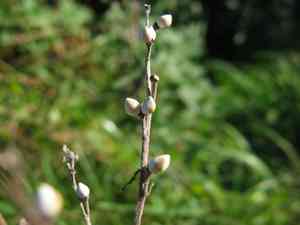
This enduring herbaceous plant is recognized for its slender foliage and golden blossoms. For gromwell, remove lifeless or injured stalks in the initial part of spring to foster robust development. Throughout the summer, snip off faded flowers and lightly sculpt as required to stimulate additional blooming and preserve a dense structure. Trimming during the indicated periods guarantees strong growth and diminishes the likelihood of illness. Consistent trimming additionally facilitates sufficient light and air movement, enhancing the general well-being of gromwell.
What Are the Benefits of Pruning Gromwell?
What Are the Benefits of Pruning Gromwell?
Trimming gromwell promotes more robust development by eliminating weak or dead sections, thereby stimulating fresh, healthy shoots. It also assists in preserving the plant's desired form and dimensions, ensuring a neat appearance.
What Is the Best Time for Pruning Gromwell?
What Is the Best Time for Pruning Gromwell?
Pruning gromwell in the spring enables the removal of any winter damage prior to new growth, ensuring the plant's energy is directed towards developing healthy shoots. Early summer trimming can improve the plant's shape, manage its size, and remove spent flowers, which encourages a healthier plant structure and potentially more blooms in the subsequent season. It is crucial to avoid pruning too late in the season, as this can stimulate new growth that may be susceptible to early frost.
What Tools Do I Need to Prune Gromwell?
Bypass Pruners
For precise cuts that encourage healthy regrowth, bypass pruners are perfect for gromwell as they create a clean cut without crushing plant tissues.
Pruning Shears
These are suitable for trimming smaller, delicate growths of gromwell and maintaining plant shape, as they allow for sharp, accurate snips.
Garden Scissors
For deadheading and shaping gromwell, garden scissors offer fine control for reaching into dense foliage without harming surrounding stems.
Hand-held Pruners
These are ideal for cutting relatively thin stems of gromwell, allowing for easy maneuverability and precision without excessive effort.
Pruning Saw
For older or woodier stems of gromwell that have become too thick for pruners or shears, a small pruning saw ensures a clean, controlled cut.
How to Prune Gromwell
Identify Diseased Parts
Examine gromwell closely to distinguish healthy growth from any diseased leaves or stems. Look for discoloration, spots, or signs of insect damage.
Sterilize Tools
Before making any cuts on gromwell, ensure all pruning tools are clean and sterilized to prevent disease spread.
Prune Diseased Leaves
Carefully remove diseased leaves from gromwell by cutting them at the base of the leaf stem using sharp scissors or pruning shears.
Prune Withered Leaves
Trim off any withered leaves from gromwell in the same manner, cutting at the base of the leaf stem to promote healthy growth and improve air circulation.
Prune Diseased Stems
Cut back any diseased stems on gromwell to a healthy section, making sure to remove the entire affected area. The cut should be made just above a leaf node or lateral branch to encourage new growth.
Common Pruning Mistakes with Gromwell
Overpruning
Novice gardeners might remove too much foliage, not realizing that gromwell only needs light pruning. Excessive cutting back can stress the plant and reduce its vigor.
Using Dull Tools
Using blunt pruning shears can cause jagged cuts on gromwell that may lead to infections and diseases. Sharp tools make clean cuts that heal faster.
Ignoring Health
Removing healthy growth instead of focusing on dead, damaged, or diseased branches can impede the health and flowering of gromwell.
Neglecting Shape
Failing to consider the natural shape of gromwell when pruning can result in a less aesthetically pleasing plant. It is essential to maintain its form for optimal growth.
Uneven Cutting
Making uneven cuts or leaving stubs can cause gromwell to develop growth issues and may invite pests and diseases to affect the cut areas.
Common Pruning Tips for Gromwell
Light Pruning
Perform light pruning on gromwell to maintain its shape and remove only the necessary parts without stressing the plant.
Sharp Tools
Always use sharp, clean pruning tools when trimming gromwell to ensure the cuts are precise and clean, reducing the chance of disease.
Health Focus
Concentrate on cutting away dead, diseased, or overgrown branches to improve the overall health and appearance of gromwell, promoting better flowering.
Natural Shape
Aim to maintain the natural habit of gromwell when pruning, which supports healthy growth and optimal flowering.
Even Cuts
Make sure cuts on gromwell are clean and even, close to a bud or branching point, without leaving stubs to encourage proper healing and regrowth.



