How to Propagate Gromwell?
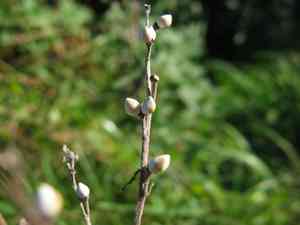
Gromwell, an herbaceous species, is predominantly multiplied via the method of seeding. To achieve successful cultivation, it is crucial to choose robust, fully developed seeds and prepare a suitable substrate that offers good drainage and rich nutrients. Seeding ought to be carried out either in pots or directly at the intended permanent location for the plant. Diligence is necessary to ensure steady hydration throughout the germination and early growth phases, avoiding oversaturation of the soil. Young plants need sufficient light exposure but must be shielded from harsh elements until they are strong enough to tolerate their surroundings.
What Is the Best Time To Propagate Gromwell?
Propagation Type
Sowing
Propagation Season
Spring
What Tools Are Used in Gromwell Propagation?
Seed trays
These containers offer a regulated setting perfect for planting gromwell seeds. Their shallow compartments allow for even seed distribution and easy moisture management, vital for gromwell's delicate germination.
Fine-grained soil mix
A finely textured soil blend ensures gromwell's small seeds aren't buried too deep, promoting proper seed-to-soil contact crucial for optimal germination. The right mix also provides good drainage and aeration, key for healthy root growth in young gromwell plants.
Plant labels and markers
These assist in identifying gromwell during its initial growth phases, especially when propagating multiple species simultaneously. Proper labeling helps track specific care needs and growth progress for gromwell.
Watering can with a fine rose
A watering can with a fine spray nozzle allows for gentle irrigation that won't disturb gromwell seeds or cause soil erosion. Consistent, light moisture levels support gromwell's germination and early growth, reducing fungal infection risks.
Germination mat (optional)
A germination mat is useful for maintaining an optimal, steady temperature, boosting gromwell's germination rate, particularly in cooler climates. By providing gentle bottom heat, this tool helps create a more favorable growing environment for gromwell seeds.
How to Propagate Gromwell?
Propagation Type
Easy
How to Care for Your Newly Propagated Gromwell?
How to Care for Your Newly Propagated Gromwell?
After propagation, continue to provide gromwell with conditions that mimic its natural environment. Maintain consistent soil moisture, ensure adequate light exposure, and once established, transplant it to a permanent spot in well-drained soil. Gromwell prefers partial shade to full sun and doesn't need frequent fertilization. Monitor for pests or diseases and treat as needed to keep gromwell healthy.
Common Mistakes to Avoid When Propagating Gromwell
Overwatering
Excessive watering can lead to root rot and fungal diseases, hindering gromwell's healthy development. Too much moisture reduces oxygen availability to the roots, impeding proper root formation.
Using Poor Soil
Employing inadequate or unsuitable soil mix can prevent gromwell from receiving proper nutrients, water retention, and drainage, all essential for its growth and affecting root development.
Deep Planting
Planting gromwell seeds or cuttings too deeply can make it difficult for seedlings to emerge or for cuttings to root due to insufficient light and air circulation.
Ignoring Pest Control
Neglecting pest management can result in infestations that harm gromwell, impeding its growth and successful propagation.
Lack of Patience
Being impatient and frequently checking for root development can disrupt gromwell's roots, leading to damage or slowed growth.
Tips For Propagating Gromwell
Correct Watering
Maintain balanced watering by keeping gromwell's soil moist but not waterlogged. This prevents root rot while providing enough moisture for growth.
Soil Mix
Use a well-draining soil mix rich in organic matter to provide gromwell with an ideal growing medium. This encourages healthy root establishment.
Shallow Planting
Sow gromwell's seeds superficially to ensure they get enough light for germination and for cuttings to receive adequate airflow, both vital for successful propagation.
Pest Monitoring
Regularly check for pests and intervene early if signs of damage appear on gromwell, to prevent them from affecting its health and propagation efforts.
Gentle Handling
Handle gromwell carefully during propagation to avoid damaging delicate young roots and shoots, ensuring a better chance of successful growth.



