How to Transplant Trailing Bush Clover?
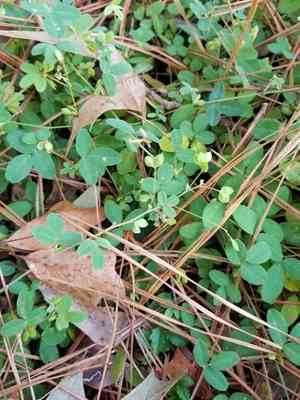
To achieve the best outcome, contemplate moving trailing Bush Clover during the period from early to mid-spring, leveraging the moderate temperatures and elevated humidity. Select a bright spot with soil that drains effectively to guarantee successful rooting. Guidance for transplanting is only required if environmental factors differ significantly.
Necessary Preparations Before Relocating Trailing Bush Clover?
When is the Best Period for Moving Trailing Bush Clover?
The ideal period for relocating trailing Bush Clover is during the initial to middle spring. This timing ensures the ground has adequately warmed to support root development, while extended daylight hours foster photosynthesis and establishment. Transplanting at this time enhances the plant's chances of adapting and flourishing before the demanding summer months. It's a vital step for cultivating robust, thriving plants.
What Distance Should Be Maintained Between Trailing Bush Clover Plants?
When relocating trailing Bush Clover, position each plant 18-24 inches (45-60 cm) apart to guarantee ample room for growth. This spacing facilitates proper air circulation and root expansion.
Which Soil Blend is Optimal for Trailing Bush Clover Relocation?
Prepare a well-draining soil, rich in organic material, for trailing Bush Clover. A combination of loamy soil with compost will supply the essential nutrients. Consider incorporating a slow-release granular fertilizer to stimulate initial development.
Where Should You Replant Your Trailing Bush Clover?
Select a sunny spot for relocating trailing Bush Clover. They flourish in full sun to partial shade, meaning they require a minimum of 6 hours of direct sunlight daily.
What Tools Should You Prepare Before Relocating Trailing Bush Clover?
Gardening Gloves
To safeguard your hands while handling soil and plants.
Shovel or Spade
For excavating holes and trenches.
Trowel
To assist with lifting the plant and working in confined areas.
Watering Can or Hose
To hydrate the plant before and after relocation.
Pruning Shears
To trim any damaged roots or stems.
Organic Mulch
To preserve soil moisture and supply nutrients.
Wheelbarrow (optional)
To move the plant or soil if necessary.
How Do You Extract Trailing Bush Clover from the Ground?
How Do You Extract Trailing Bush Clover from the Ground?
From Ground: First, irrigate the trailing Bush Clover plant to moisten the soil. Next, excavate a broad trench around the plant using a shovel or spade, ensuring the plant's root ball remains intact. Carefully maneuver the spade beneath the root ball to lift the plant from its original position.From Pot: Gently lay the container on its side and tap the edges to loosen the soil. Carefully grasp the plant at its base and slide it out, making sure to support the root ball to prevent harm.From Seedling Tray: Utilize a trowel or your fingers to gently lift the plant, taking care not to harm the delicate roots. If the soil is dry, consider dampening it first to facilitate removal.
Step-by-Step Guide for Relocating Trailing Bush Clover
Initial Work
Thoroughly water the trailing Bush Clover plant in its current spot to aid removal and lessen transplant shock.
Excavating the Hole
Dig a hole in the new location that is twice as wide and the same depth as the root ball. This provides ample room for the roots to spread.
Plant Positioning
Place the trailing Bush Clover plant in the hole, ensuring the top of the root ball is level with the ground surface. If the plant sits too low or high, add or remove soil from the hole.
Refilling
Fill the hole around the root ball with soil, gently pressing down to eliminate air pockets. Avoid compacting the soil too firmly.
Initial Watering
Water the plant thoroughly to settle the soil around the roots. This helps to remove air pockets and provide the plant with essential moisture.
Mulching
Apply a layer of organic mulch around the base of the plant to retain moisture, regulate soil temperature, and reduce weed competition. Keep the mulch a few inches away from the stem.
How Do You Care For Trailing Bush Clover After Relocation?
Watering
Maintain consistently moist, but not waterlogged, soil around the trailing Bush Clover for the initial weeks after relocation to aid in establishing strong roots.
Observation
Look for any indications of transplant shock, such as wilting or yellowing leaves, and provide additional water or shade if necessary.
Trimming
Prune any damaged or broken stems to encourage new growth and alleviate stress on the plant.
Mulch Upkeep
Replenish mulch as required to ensure continuous moisture retention and temperature regulation.
Protection
Consider employing a plant support or windbreak if the new location is particularly breezy or exposed.
Addressing Common Issues with Trailing Bush Clover Relocation.
When is the optimal time to relocate trailing Bush Clover?
Relocate trailing Bush Clover from early spring to mid-spring for peak growth and success.
What should be the spacing between trailing Bush Clover plants?
Space trailing Bush Clover 18-24 inches (45-60 cm) apart to ensure proper growth and air circulation.
What kind of soil is best for relocating trailing Bush Clover?
Trailing Bush Clover prefers well-draining soil enriched with organic matter for healthy root establishment.
How do I prepare trailing Bush Clover for relocation?
Water trailing Bush Clover thoroughly before the move, and gently loosen the roots if needed.
Why are my relocated trailing Bush Clover wilting?
Wilting can indicate inadequate watering or transplant shock. Adjust irrigation and provide shade.
Should I fertilize trailing Bush Clover after relocation?
Use a balanced fertilizer sparingly after relocation to support root development and growth.
How much sunlight does trailing Bush Clover require after relocation?
Trailing Bush Clover thrives in full sunlight; ensure it receives at least 6 hours of direct sun daily.
How frequently should I water trailing Bush Clover after relocation?
Keep the soil consistently moist but not waterlogged for the first few weeks post-relocation.
What type of mulch should I use around trailing Bush Clover?
Apply organic mulch like straw or bark to retain soil moisture and regulate temperature.
How can I prevent transplant shock in trailing Bush Clover?
Gradually acclimate trailing Bush Clover to its new surroundings and avoid excessive root disturbance.



