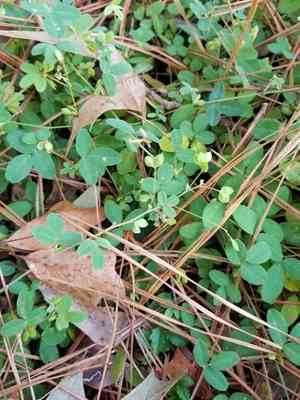
Trailing Bush Clover (Lespedeza procumbens)
Also known as: Downy trailing bush-clover
Hairy lespedeza (Lespedeza hirta) is a leguminous plant that typically grows in forests but can also flourish in disturbed environments. This species is recognized for its distinctive curved hairs. The seeds of hairy lespedeza serve as an important food source for various mammals, birds, and turtles.
In This Article
Attributes of Trailing Bush Clover
Lifespan
Perennial
Plant Type
Herb
Plant Height
0.3 to 0.5 meters
Spread
Approximately 0.5 meters
Leaf Color
Green
Flower Size
1 to 1.5 centimeters
Flower Color
Purple Blue Pink Red
Images of Trailing Bush Clover
Quickly Identify Trailing Bush Clover
1
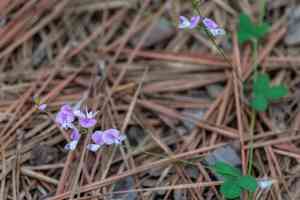
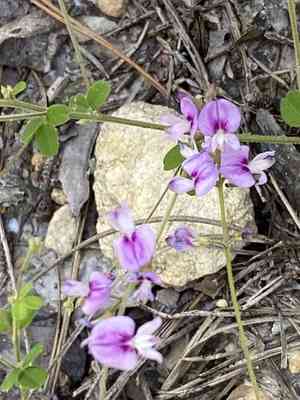
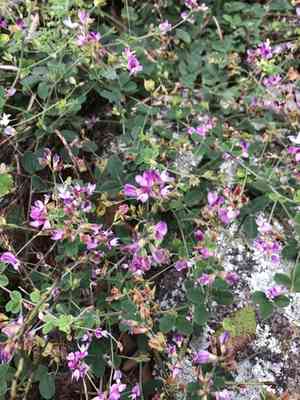
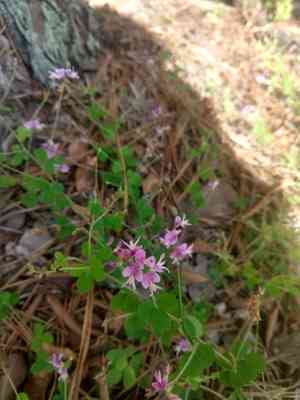
It can be identified by its low-growing, trailing habit and trifoliate leaves with small, elliptical leaflets. The plants produce small pinkish-purple flowers in late summer.
Scientific Classification of Trailing Bush Clover
Phylum
Vascular plants
Class
Dicotyledons
Order
Fabales
Family
Legume
Genus
Bush clovers
Species
Trailing Bush Clover
Planting and Growing of Trailing Bush Clover
Care Difficulty
Easy
Watering Schedule
Every 2 days
Sunlight Requirements
Partial sun
Sunshine Duration
6-10 hours
Ideal Temperature
60-75℉
Soil Type
Potting Mix, Peat Mix
Soil pH
6.5-7.5
Fertilizer Type
Balanced
Pruning Season
Spring, Summer
Pruning Area
Branches, Leaves
Pruning Frequency
2 times a year
Repotting Season
Spring
Pot Type
Plastic, Terracotta
 How to Water Trailing Bush Clover?
Lespedeza procumbens requires a watering amount of about 500 ml per session. It is important to ensure the soil is thoroughly moist but not waterlogged. Water until you see excess draining from the bottom of the pot, which indicates the entire root zone is adequately soaked.
What are the symptoms of an underwatered Trailing Bush Clover?
›
What should I do if my Trailing Bush Clover is not getting enough water?
›
What are the symptoms of an overwatered Trailing Bush Clover?
›
How to save an overwatered Trailing Bush Clover?
›
 What Are the Sunlight Requirements for Trailing Bush Clover?
Lespedeza procumbens thrives in partial sun conditions, benefiting from around 4-6 hours of sunlight daily. Achieving this lighting condition supports optimal photosynthetic activity, ensuring sustained energy production for growth and resilience.
Where should I place Lespedeza procumbens?
›
How do I increase light exposure?
›
What happens if it gets ideal lighting?
›
 What Is the Ideal Temperature Range for Trailing Bush Clover?
Lespedeza procumbens thrives best in an environment where the temperature is consistently between 60°F and 75°F. This range ensures that the plant can perform photosynthesis efficiently while maintaining its growth rate. It mimics the natural late spring to summer conditions, ideal for most of its physiological activities.
 What Soil is Best for Trailing Bush Clover?
Lespedeza procumbens thrives best in well-drained soil, which allows excess water to percolate away, preventing root rot and promoting healthy root development. A well-draining substratum ensures the plant does not remain waterlogged, which is crucial for its survival and vigor. Providing nutrient-rich soil is essential for the robust growth of Lespedeza procumbens. It benefits significantly from a balanced composition that supplies the necessary nutrients for photosynthesis and growth, leading to lush foliage and sustained blooming. The plant favors soil with a sandy or loamy texture that promotes good aeration. Such conditions help in root expansion and enhance microbial activity, fostering a healthier ecosystem for the plant.
 How to Fertilize Trailing Bush Clover?
Lespedeza procumbens is quite resilient but thrives best with balanced nutrients. Applying a liquid fertilizer requires about half the recommended strength in water. For slow-release fertilizer, use around one cup per plant annually, evenly distributed around the root zone.
 How to Prune Trailing Bush Clover?
Begin by inspecting the plant for old, woody stems that are no longer producing flowers. These should be pruned back to encourage new growth and rejuvenate the plant. Trim back the plant to form a pleasing shape by cutting back overgrown branches and any limb crossing over each other. This helps in maintaining organzied growth. Thoroughly look for any dead or discolored branches and prune them to the base or the point of healthy growth. This helps in directing the plant's energy to healthier parts.
More About Pruning Techniques→
 How to Propagate Trailing Bush Clover plant?
1
Start by collecting seeds from a mature Lespedeza procumbens plant. Clean them thoroughly to remove pulp residues and soak them in water for 24 hours to break dormancy and encourage germination.
2
Select healthy, semi-hardwood cuttings from the parent plant. Each cutting should be 4–6 inches long. Strip the leaves from the lower half and dip the cut end in rooting hormone before planting.
3
Carefully uproot the plant and separate it into smaller sections, ensuring each division has adequate roots and shoots. Replant immediately in well-prepared soil and water thoroughly.
 How to Repot Trailing Bush Clover plant?
1
Lespedeza procumbens signals for repotting when its roots start to circle the pot or protrude from drainage holes. Ideally, repotting should occur in early spring, giving the plant ample time to establish itself before the growing season. A noticeable slowdown in growth, despite adequate care, might also indicate it needs a larger pot.
2
Select a pot that is just one size larger than the current one to prevent waterlogging. A pot with proper drainage holes is essential to prevent root rot, a common issue with overwatering. The material of the pot, be it clay or plastic, should allow for adequate aeration while maintaining a stable environment for root growth.
3
Opt for well-drained sandy soil, which closely mimics the natural habitat of Lespedeza procumbens. This type of soil ensures that the roots receive adequate oxygen while preventing water from accumulating, thus reducing the risk of root rot. Sandy soil also warms up quickly, aiding in root growth and overall plant vigor.



