The Trailing Bush Clover Plant Advantage: Maximizing Home and Office Appeal and Wellness
1
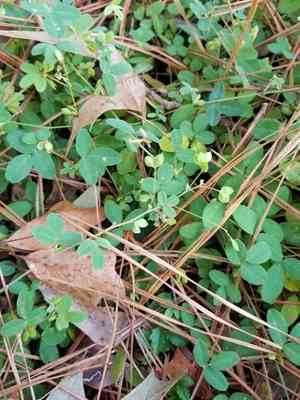
Trailing Bush Clover makes an excellent garden inclusion because of its capacity to fix nitrogen.
2
This species flourishes in soils lacking nutrients, requiring minimal upkeep.
3
Its sprawling growth pattern can aid in preventing soil degradation.
What Are the Ecological Benefits of Trailing Bush Clover?
Nitrogen Fixation
A key ecological advantage of Trailing Bush Clover is its capacity to fix nitrogen in the soil. Nitrogen is a vital nutrient for plant development. Unlike many other plants, Trailing Bush Clover forms a symbiotic relationship with nitrogen-fixing bacteria, enabling it to convert atmospheric nitrogen into a usable form for plants. This not only enriches the soil but also lessens the need for chemical fertilizers, making it an environmentally friendly option for your garden.
Soil Erosion Control
The creeping growth habit of Trailing Bush Clover makes it an excellent plant for preventing soil erosion. Its extensive root system helps to stabilize the ground, stopping it from washing away during heavy rainfall. This makes Trailing Bush Clover particularly useful for sloped areas and other locations prone to erosion. By planting Trailing Bush Clover, you can help maintain soil integrity and foster a healthier garden ecosystem.
How Does Trailing Bush Clover Benefit Your Garden Aesthetically?
Attractive Foliage and Flowers
Trailing Bush Clover features abundant green leaves that can serve as an appealing ground cover. Additionally, it produces small, charming blossoms that add a touch of color to your garden. The combination of rich foliage and delicate flowers makes Trailing Bush Clover an attractive addition to both formal and informal garden designs.
Versatile Growth Habit
One of the distinctive characteristics of Trailing Bush Clover is its adaptable growth pattern. It can flourish in various environments, including poor soils and shaded spots. This flexibility makes it simpler to integrate into different areas of your garden, whether you need ground cover, border plants, or something to fill empty spaces. Its ability to thrive in less-than-ideal conditions also means less upkeep for you.
Can Trailing Bush Clover Improve Biodiversity in Your Garden?
Attracting Beneficial Insects
Another benefit of cultivating Trailing Bush Clover is its capacity to draw in helpful insects, such as pollinators and natural predators of common garden pests. The flowers of Trailing Bush Clover provide a food source for bees and butterflies, promoting pollination and helping to sustain these important species. Furthermore, attracting natural predators helps control pest populations, reducing the need for chemical pesticides.
Supporting Local Wildlife
Trailing Bush Clover can also contribute to supporting local wildlife. Its dense foliage offers shelter for small animals and birds, creating a miniature ecosystem within your garden. By planting Trailing Bush Clover, you are contributing to the local biodiversity and providing a habitat for various species, which can be especially crucial in urban or suburban areas where natural habitats are limited.
What Are the Practical Benefits of Growing Trailing Bush Clover?
Low-Maintenance Plant
One of the most practical advantages of Trailing Bush Clover is its low-maintenance nature. This plant is highly adaptable to different soil types and environmental conditions, requiring minimal care once established. It is drought-tolerant and can thrive in nutrient-poor soils, making it an ideal choice for gardeners who desire a beautiful yet easy-to-care-for plant.
Cost-Effective Landscaping Solution
Given its ability to enhance soil health and prevent erosion, Trailing Bush Clover serves as an economical landscaping solution. By enriching the soil and decreasing the need for fertilizers and pesticides, you save on long-term garden maintenance expenses. Its resilience and adaptability also mean you won't have to frequently replace plants, making it a financially sound addition to your garden.
How to Care for Trailing Bush Clover in Your Garden
Ideal Growing Conditions
Trailing Bush Clover prefers well-drained soils and can tolerate a range of pH levels. It thrives in full sun to partial shade, making it versatile for various garden locations. While it is drought-tolerant, providing occasional deep watering during extended dry periods will help it flourish.
Planting and Maintenance Tips
To plant Trailing Bush Clover, dig a hole large enough to accommodate the root ball and place the plant in the hole, backfilling with soil. Water thoroughly after planting to help it establish roots. Mulching around the base can help retain moisture and suppress weeds. Pruning is generally not necessary, but you can trim it back in late winter or early spring to encourage new growth.



