How to Prune Trailing Bush Clover?
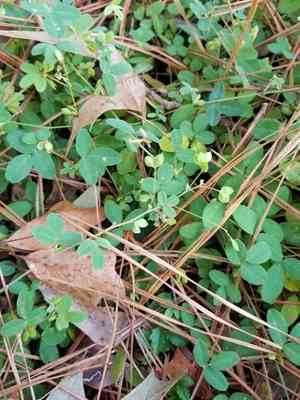
Lespedeza thunbergii, a perennial groundcover, is recognized for its expansive habit and resilience. Undertake the primary trimming of Lespedeza thunbergii in early spring to eliminate any deceased or compromised stalks, and a secondary trimming in summer to control its dimensions and foster more abundant foliage. Cut branches back precisely above a leaf joint or a robust bud. Consistent trimming benefits Lespedeza thunbergii by enhancing air movement and deterring ailments. Executing timely pruning encourages a vibrant, thriving growth pattern that aligns with its natural seasonal rhythms.
Advantages of Trimming Trailing Bush Clover
Advantages of Trimming Trailing Bush Clover
Trimming trailing Bush Clover promotes robust development and maintains its form. By carefully cutting, gardeners stimulate new growth, improve plant structure, and prevent excessive growth, ensuring trailing Bush Clover remains appealing and thriving.
Optimal Pruning Period for Trailing Bush Clover
Optimal Pruning Period for Trailing Bush Clover
The suggested pruning times for trailing Bush Clover align with its growth cycle and peak flowering to ensure strong growth and prime health. Pruning in spring, as new growth starts, helps encourage fresh development and can aid in shaping the plant. Additionally, early summer pruning, following the initial spring growth, allows gardeners to manage the size and form of trailing Bush Clover, especially since this species typically blooms in late summer. Pruning at these times minimizes plant stress and maximizes flowering potential for the upcoming season. Avoid pruning in late fall or winter, as this can result in damaged or weakened plants vulnerable to cold weather.
Tools Required for Pruning Trailing Bush Clover
Hand Pruners
Perfect for making precise cuts on the slender stems of trailing Bush Clover. They enable clean, close cuts on the plantâs woody and herbaceous stems, ensuring minimal harm and encouraging healthy regrowth.
Pruning Shears
Suitable for cutting through thicker stems or overgrown branches of trailing Bush Clover, ensuring accurate shaping and upkeep of the plant's sprawling habit.
Garden Scissors
Useful for refining and shaping the dense foliage of trailing Bush Clover. These are ideal for reaching into tighter areas within the plant to snip away small, unwanted twigs or leaves.
Loppers
Recommended for cutting through tougher branches that hand pruners or shears cannot manage, especially useful if trailing Bush Clover has matured and developed thicker stems.
How to Prune Trailing Bush Clover
Identify
Locate and mark the diseased and withered leaves on trailing Bush Clover. Ensure you inspect both older lower leaves and newer top leaves for any signs of illness or wilting that need attention.
Disinfect
Before beginning the pruning process, sanitize your pruning shears or scissors. This prevents the spread of disease when cutting diseased stems or removing unwanted leaves from trailing Bush Clover. Use a bleach or alcohol solution for disinfection.
Remove leaves
Carefully remove the diseased and withered leaves by cutting them at their base where they connect to the stem. Make sure to cut close to the stem, avoiding damage to the nodes that could produce new growth.
Prune stems
Examine trailing Bush Clover for any diseased stems. If present, prune these stems back to healthy wood, cutting just above a strong and healthy bud or set of leaves. This encourages trailing Bush Clover to produce new and healthy growth.
Cleanup
After pruning, clear away all pruned material by placing it in a yard waste bag or bin. Avoid composting any diseased parts to prevent the spread of disease in your garden. This helps maintain a clean environment around trailing Bush Clover.
Common Pruning Errors with Trailing Bush Clover
Overpruning
Cutting back too much of trailing Bush Clover's foliage or branches can severely weaken the plant. Itâs crucial for gardeners to avoid removing more than a third of the plantâs total mass in a single pruning session.
Inappropriate technique
Using dull or dirty pruning tools can harm the limbs of trailing Bush Clover, leading to jagged cuts that heal poorly. Clean, sharp tools are essential to make clean cuts that heal quickly.
Neglecting dead or diseased wood
One of the most frequent oversights is failing to remove dead or diseased branches, which can impede the health and flowering of trailing Bush Clover. Regular inspection and removal of such limbs are vital.
General Pruning Advice for Trailing Bush Clover
Selective pruning
Focus on thinning out overly dense areas of trailing Bush Clover to ensure adequate light and air penetration, which is crucial for the plant's health and vigor. Selectively remove inner branches that are crisscrossing or growing inward.
Timing of cuts
Make cuts at a 45-degree angle, just above a bud that faces the outside of the plant. This encourages outward growth, improving the plant's form and ensuring its flowers are more visible and aesthetically pleasing.
Post-prune care
After pruning trailing Bush Clover, applying a balanced, slow-release fertilizer can help support its recovery and promote robust growth and flowering. Ensure the plant is well-watered, especially in the weeks following pruning, to aid in its rejuvenation.



