How to Propagate Trailing Bush Clover?
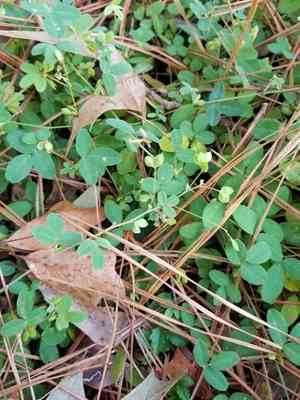
Trailing Bush Clover can be successfully multiplied by planting seeds. To achieve the best outcome, utilize newly harvested seeds and confirm their placement in a potting blend that drains efficiently. It is essential to uphold a steady level of dampness in the substrate, avoiding excessive saturation, as this can impede sprouting. Offering a consistent setting with dappled light will foster more robust development.
When Is the Optimal Time to Propagate Trailing Bush Clover?
Propagation Type
Sowing
Propagation Season
Spring
What Tools Are Utilized in Trailing Bush Clover Propagation?
Seed trays
Seed trays are vital for initiating trailing Bush Clover from seeds. They offer an organized area where seeds can be uniformly spread and easily observed. Their shallow design is perfect for small seeds like those of trailing Bush Clover, ensuring they aren't buried too deep and can sprout efficiently. Furthermore, seed trays aid in maintaining adequate moisture and temperature control, which are crucial for trailing Bush Clover germination.
Potting soil
Potting soil is essential for supplying the necessary nutrients and proper drainage for trailing Bush Clover. A lightweight and well-draining potting mix can significantly boost the germination rate by maintaining the correct moisture balance around the seeds, reducing the risk of fungal issues or diseases, which can be detrimental during the delicate stages of seedling development.
Misting bottle
A misting bottle is employed to gently water the seeds of trailing Bush Clover in the seed trays. The fine mist ensures that the seeds and seedlings remain moist without disturbing them with heavy water droplets. This is particularly important for trailing Bush Clover as heavy watering might dislodge the small seeds, hindering their chances of successful germination and growth.
Grow lights
Grow lights are highly advantageous if trailing Bush Clover is being propagated indoors or in low-light conditions. They provide a consistent light source which can help achieve higher germination rates and healthier seedling growth by mimicking ideal sunlight conditions, ensuring that trailing Bush Clover receives an optimal amount of light during critical growth phases.
Thermometer/Hygrometer
Utilizing a thermometer/hygrometer to monitor the temperature and humidity levels around the propagation area of trailing Bush Clover is crucial for ensuring a favorable environment for germination. Appropriate temperature and humidity are vital in preventing environmental stress that could impede the development of trailing Bush Clover during its early growth stages.
How to Propagate Trailing Bush Clover?
Propagation Type
Easy
How to Care for Your Newly Propagated Trailing Bush Clover?
How to Care for Your Newly Propagated Trailing Bush Clover?
Once trailing Bush Clover seedlings emerge, continue to provide indirect light and keep the soil slightly moist. When seedlings are large enough to handle, transfer them into individual pots with a well-draining potting mix. Gradually acclimatize them to outdoor conditions over several days before planting them in their permanent location. Ensure the planting site has well-drained soil and receives full to partial sunlight. Water the young plants regularly until they are established, and apply a balanced, slow-release fertilizer annually in the spring.
Common Mistakes to Avoid When Propagating Trailing Bush Clover
Overwatering
Excessive watering of trailing Bush Clover can lead to root rot, which hinders root development and diminishes the plant's overall vigor. This error is problematic as it drastically reduces propagation success by impairing the plant's ability to absorb nutrients effectively.
Deep planting
Planting trailing Bush Clover seeds or cuttings too deeply can impede their ability to sprout or develop roots efficiently. This can restrict access to necessary oxygen and light, stunting the plant's growth and potentially causing the cuttings or seeds to decay before they can establish.
Ignoring rooting hormone
Failing to use rooting hormone when propagating trailing Bush Clover from cuttings can result in significantly lower rooting success rates. Rooting hormone helps to stimulate root growth, improving the establishment and survival rate of new cuttings.
Tips For Propagating Trailing Bush Clover
Proper soil mixture
Use a well-draining soil mix for trailing Bush Clover to prevent water retention, which can lead to root diseases. A blend of sand, loam, and a small amount of organic matter can provide the ideal environment for root growth and aeration.
Light exposure
Ensure that trailing Bush Clover cuttings and young plants receive indirect, bright light. Too much direct sunlight can scorch delicate new growth, while insufficient light can weaken the plant by inhibiting photosynthesis.
Regular monitoring
Regularly inspect trailing Bush Clover for signs of growth or distress during the initial stages of propagation. Adjust care routines such as watering and light exposure based on the plant's observable conditions to promote healthy development.



