How to Transplant Rice cutgrass?
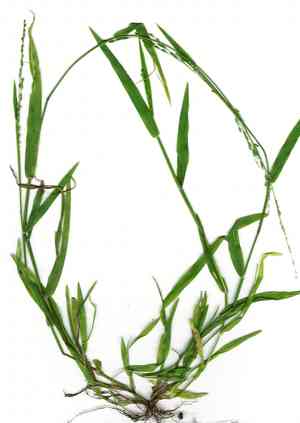
Relocate rice cutgrass during the mild temperatures from late spring to early summer, fostering both resilience and development. Choose a damp location that receives partial sunlight, and remember that root development is vital before the onset of winter.
Necessary Preparations Before Moving Rice Cutgrass?
Optimal Period for Relocating Rice Cutgrass?
The perfect time to move rice cutgrass is from the vibrant period of late spring to the gentle warmth of early summer. During this interval, the ground is adequately warm to support robust root development without the stress of peak midsummer heat, creating an ideal environment for rice cutgrass's successful establishment. Selecting this season allows rice cutgrass to develop a strong root system before the summer and subsequent seasons, boosting its health and longevity.
Recommended Spacing Between Rice Cutgrass Plants?
Hello, gardening enthusiast! Before placing your rice cutgrass in the garden, plan to space them approximately 6-12 inches (15-30 cm) apart. This provides each plant ample room to grow and thrive without competing for nutrients or sunlight.
Best Soil Blend for Rice Cutgrass Relocation?
For your rice cutgrass, let's prepare the soil as their comfortable new home! Aim for damp, well-draining soil, rich in organic material. Applying a balanced, slow-release fertilizer will give them an excellent start. Don't worry, your local garden center can assist you in selecting the perfect mixture!
Where Should You Replant Your Rice Cutgrass?
Finding the ideal spot for your rice cutgrass means placing them in an area that receives partial to full sunlight. A location that enjoys gentle morning sun followed by some afternoon shade would be perfect. They'll be absorbing the sun in no time!
Equipment Needed Before Transplanting Rice Cutgrass?
Gardening Gloves
To safeguard your hands while handling soil and plants.
Shovel or Spade
For excavating the plant and preparing the new planting site.
Watering Can or Hose
To hydrate the plant before and after its relocation.
Wheelbarrow or Garden Cart
To move the plant from one spot to another if required.
Pruning Shears
To trim any damaged roots or foliage.
Garden Trowel
For precise soil manipulation and positioning the plant.
Stake or Plant Supports
To help rice cutgrass remain upright if necessary after transplanting.
How to Extract Rice Cutgrass from the Ground?
How to Extract Rice Cutgrass from the Soil?
From Ground: First, water the rice cutgrass plant to moisten the soil. Then, dig a wide trench around the plant using a shovel or spade, ensuring the plant's root ball stays intact. Carefully work the spade beneath the root ball to lift the plant from its original position.From Pot: Begin by watering the rice cutgrass to facilitate the root ball's removal. Place your hand on the soil surface with the plant stem between your fingers. Invert the pot, supporting the plant as you gently tap the base and sides. The root ball should slide out easily.From Seedling Tray: If the rice cutgrass is in a seedling tray, gently press the bottom of the individual cell to push the plant out. Hold the seedling by the root ball rather than the stem to prevent damage.
Step-by-Step Guide for Relocating Rice Cutgrass
Preparing the New Hole
Excavate a hole at the transplant site that is twice as wide and equally deep as the root ball of the rice cutgrass.
Plant Removal
Carefully extract the rice cutgrass from its current spot, ensuring as much of the root structure remains intact as possible.
Transplanting
Position the rice cutgrass in the center of the new hole, gently spreading its roots. Backfill around the root ball with soil, pressing down lightly to remove air pockets.
Soil Adjustment
Adjust the soil level to ensure the rice cutgrass is planted at the same depth it was previously growing.
Watering
Thoroughly water the rice cutgrass to settle the soil around its roots and provide essential hydration.
Staking
If the rice cutgrass appears unstable, use a stake or plant supports to secure it in place to encourage upright growth.
Post-Transplant Care for Rice Cutgrass?
Immediate Watering
Water the rice cutgrass immediately after transplanting to help reduce transplant shock and settle the soil.
Monitoring & Adjusting
Keep an eye on the plant's stability, and adjust stakes and supports if the rice cutgrass begins to lean or is at risk of falling over.
Pruning
Trim away any damaged or broken roots or foliage during transplanting to encourage healthier growth.
Regular Checkups
Monitor the rice cutgrass's progress regularly, looking for signs of distress or disease and addressing any issues promptly.
Resolving Common Issues with Rice Cutgrass Transplantation.
When is the best time to transplant rice cutgrass?
Transplant rice cutgrass during the ideal period between late spring and early summer, when conditions are mild.
What spacing is optimal when transplanting rice cutgrass?
Maintain a distance of 6-12 inches (15-30 cm) between rice cutgrass plants to allow sufficient room for growth.
How do I determine the correct depth for transplanting rice cutgrass?
Dig a hole as deep as the root ball and twice its width, ensuring the top remains level with the soil surface.
Why is my rice cutgrass wilting after transplanting?
Wilting may be due to shock. Keep the soil consistently moist and shield the plant from intense sun for a few days.
What soil conditions benefit rice cutgrass after transplanting?
For optimal results, use moist, fertile soil. Rice cutgrass thrives with consistent moisture but not waterlogged conditions.
How should I water rice cutgrass after transplanting?
Water generously right after transplanting, then maintain consistent moisture without overwatering.
How do I protect newly transplanted rice cutgrass from frost?
If unexpected frost is a threat, cover rice cutgrass with a frost blanket or straw to insulate them overnight.
Can rice cutgrass be transplanted on a sunny day?
Yes, but avoid the midday sun. It's best to transplant rice cutgrass during the cooler parts of the day.
How do I prepare rice cutgrass's root ball for transplanting?
Gently loosen the root ball before planting to encourage roots to spread out in their new location.
What should I add to the planting hole for rice cutgrass?
Enrich the hole with compost to provide rice cutgrass with a nutrient boost, aiding in successful transplantation.



