How to Prune Rice cutgrass?
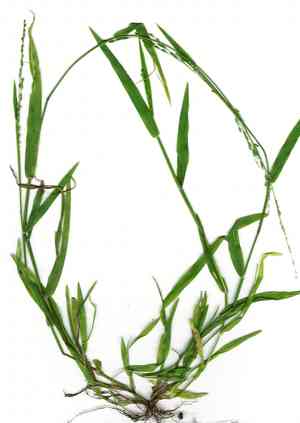
A persistent grass frequently encountered in marshy areas, rice cutgrass flourishes in moist ground and can establish thick groupings. Trimming entails severing deceased or overly abundant leaves in early spring or during winter to encourage vigorous new development and deter excessive self-propagation. Eliminating aged stalks improves light access and air movement, which are crucial for strong vitality. These trimming methods aid in managing the proliferation of rice cutgrass and preserving the visual attractiveness of natural environments.
What Are the Benefits of Pruning Rice Cutgrass?
What Are the Benefits of Pruning Rice Cutgrass?
Trimming rice cutgrass is crucial for maintaining robust growth and a desired form. Strategic cutting back encourages fresh, healthy shoots and helps manage the spread of this vigorous plant.
What Is the Best Time for Pruning Rice Cutgrass?
What Is the Best Time for Pruning Rice Cutgrass?
Pruning in late winter, just prior to the start of spring growth, offers rice cutgrass optimal conditions for recovery and prepares the plant for strong growth in the upcoming season. During this period, rice cutgrass's growth cycle is inactive, allowing gardeners to prune without stressing the plant. Furthermore, early spring pruning aids in removing any winter damage before the plant begins its active growth phase. It is vital to avoid pruning rice cutgrass during its active growth and flowering period to prevent hindering flower and seed development, which typically occurs from late spring through summer. Adhering to these pruning guidelines ensures minimal disruption to rice cutgrass's life cycle and helps maintain plant health and vigor.
What Tools Do I Need to Prune Rice Cutgrass?
Hand Pruners
Perfect for shaping and trimming rice cutgrass, hand pruners are ideal for cutting stems less than 3/4 inch thick. Bypass pruners are recommended for making clean, precise cuts without harming other stalks of the plant.
Grass Shears
Rice cutgrass can spread aggressively via its sturdy rhizomes and may need frequent edge trimming. Grass shears are designed for cutting grass and can be very effective for maintaining the plant clump's shape and size, especially along garden borders or pathways.
Weed Wacker (String Trimmer)
For larger areas of rice cutgrass or to control its expansion, a weed wacker can be used carefully to quickly trim back the grass. It would be useful for cutting back thicker clumps before disposal or preparing the area for mowing.
Serrated Knife or Sickle
Given rice cutgrass's tough, rice-like stalks, a serrated knife or sickle can be used to divide larger clumps or harvest stems. They allow for a sawing motion, effective on the tougher material.
How to Prune Rice Cutgrass
Identify
Thoroughly examine rice cutgrass to detect the presence of diseased and withered leaves. Look for discoloration, spots, or a dry, brittle texture indicative of unhealthy foliage.
Sanitize
Before beginning the pruning process, disinfect your pruning tools with a solution of 1 part bleach to 9 parts water to prevent disease transmission.
Prune diseased
Using sharp, sanitized shears, carefully remove any diseased leaves by cutting them at their base where they connect to the stem. Be careful not to damage nearby healthy leaves.
Prune withered
Remove withered leaves, which are typically older, by cutting them at the base in a similar manner to diseased leaves. This helps redirect rice cutgrass's energy to newer, healthier growth.
Dispose
Properly dispose of the removed foliage, either by burning or placing it in sealed bags, to prevent the spread or recurrence of disease. Do not compost diseased material.
Common Pruning Mistakes with Rice Cutgrass
Over pruning
Removing too much foliage at once can stress rice cutgrass, leading to poor growth or reduced vigor. Aim to prune no more than one-third of the plant at a time.
Improper cut locations
Cutting too far from a node can leave unsightly stubs, while cutting too close can harm the buds that will produce new growth. Make clean cuts at a 45-degree angle just above the node.
Using dull tools
Pruning with dull or unclean tools can cause jagged cuts that are susceptible to pests and diseases. Always use sharp, sterilized pruning shears.
Neglecting safety
Failing to wear appropriate protective gear can result in cuts or skin irritation, as rice cutgrass has sharp-edged leaves. Wear gloves and long sleeves when pruning this species.
Pruning healthy growth
Mistakenly pruning new, healthy shoots instead of focusing on dead, damaged, or overgrown areas can impede the plant's development.
Common Pruning Tips for Rice Cutgrass
Gradual pruning
Prune rice cutgrass progressively over time rather than all at once to maintain plant health and encourage new growth.
Clean cuts
Ensure clean cuts on rice cutgrass to prevent damage and promote quicker healing. Cuts should be made at a 45-degree angle to avoid water accumulation on the cut surface.
Disinfect pruning tools
Before and after pruning rice cutgrass, sanitize your tools to prevent the spread of diseases between plants. A solution of 1 part bleach to 9 parts water is effective.
Focus on dead material
Concentrate pruning efforts on removing dead or diseased foliage from rice cutgrass, which will enhance air circulation and light penetration, vital for healthy growth.
Maintain plant shape
While pruning rice cutgrass, aim to preserve its natural form. This approach ensures the plant will look aesthetically pleasing and grow properly.



