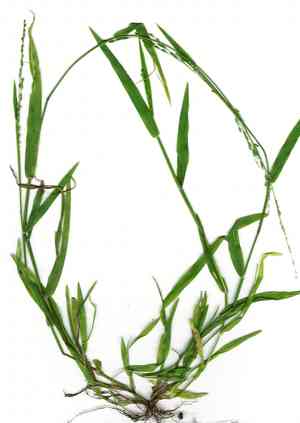
Rice cutgrass (Leersia oryzoides)
Also known as: Ricegrass
Rice cutgrass is a robust plant that flourishes in sunny areas with consistently moist soil, often forming thick, dense patches. The plant is named "cutgrass" due to the razor-sharp, serrated edges of its leaves, which can easily cause cuts if you walk through or handle it without caution.
In This Article
Attributes of Rice cutgrass
Lifespan
Perennial
Plant Type
Grass
Plant Height
1 m to 1.5 m
Spread
30 cm
Leaf Color
Green
Flower Size
10 cm to 15 cm
Flower Color
White Yellow Green
Images of Rice cutgrass
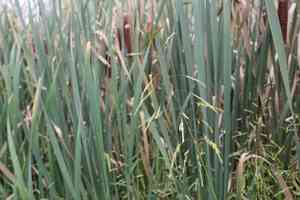
Quickly Identify Rice cutgrass
1
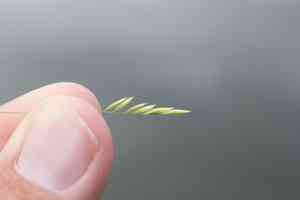
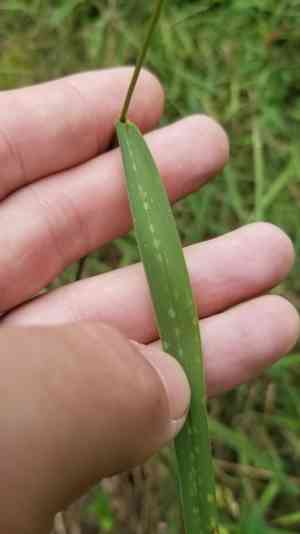
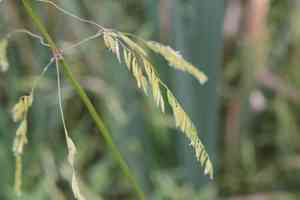
Rice cutgrass can be identified by its flat, green leaves with rough, serrated edges that can cause cuts. The plant produces small, pale green flowers in loose panicles during the late summer.
Scientific Classification of Rice cutgrass
Phylum
Vascular plants
Class
Monocotyledons
Order
Poales
Family
Grass
Genus
Cutgrasses
Species
Rice cutgrass
Planting and Growing of Rice cutgrass
Care Difficulty
Hard
Watering Schedule
Every 8 days
Sunlight Requirements
Partial sun
Sunshine Duration
4-8 hours
Ideal Temperature
68-86℉
Soil Type
Potting Mix, Peat Mix
Soil pH
5.5-7.5
Fertilizer Type
Balanced
Pruning Season
Spring, Summer
Pruning Area
Branches, Leaves
Pruning Frequency
2 times a year
Repotting Season
Spring
Pot Type
Plastic, Ceramic
 How to Water Rice cutgrass?
Leersia oryzoides prefers consistently moist soil, so watering should mimic its natural wetland habitat. The soil should be kept damp, but avoid waterlogging. Use about 500ml of water per session to thoroughly moisten the soil without creating standing water.
What are the symptoms of an underwatered Rice cutgrass?
›
What should I do if my Rice cutgrass is not getting enough water?
›
What are the symptoms of an overwatered Rice cutgrass?
›
How to save an overwatered Rice cutgrass?
›
 What Are the Sunlight Requirements for Rice cutgrass?
Leersia oryzoides ideally requires partial sun exposure. This provides balanced light for photosynthesis, allowing the plant to flourish without the risks associated with intense, full sun.
What is the best lighting environment for Leersia oryzoides?
›
How can I achieve this ideal lighting?
›
What are the benefits of the ideal lighting for this plant?
›
 What Is the Ideal Temperature Range for Rice cutgrass?
The ideal temperature range for Leersia oryzoides, also known as rice cut grass, is generally between 68-86°F. This range provides optimal conditions for growth, as it allows the plant to photosynthesize efficiently and maintain metabolic functions. Temperatures within this range are typical of temperate climates, suiting the plant's natural habitat.
 What Soil is Best for Rice cutgrass?
Leersia oryzoides thrives in soils that hold moisture well, as it is often found in wetland habitats. Ensuring good moisture retention in the soil benefits the plant by supporting robust growth and preventing dehydration. This plant prefers nutrient-rich soils, which provide the essential nutrients needed for its rapid growth and vibrant foliage. Adequate nutrient density results in a healthier plant capable of thriving in varied environmental conditions. While this plant enjoys moisture, it cannot tolerate standing water for prolonged periods. Well-draining soil prevents root rot by allowing excess water to escape, thus maintaining a healthy root system.
 How to Fertilize Rice cutgrass?
For Leersia oryzoides, a light hand is recommended when it comes to fertilization. Use a balanced, water-soluble fertilizer applied at half strength; approximately 10 grams per square meter should suffice during its active growing period spring into summer.
 How to Prune Rice cutgrass?
While it is important to prune Leersia oryzoides regularly, avoid removing more than one-third of the plant at once. Over-pruning can stress the plant and hinder its growth. Ensure that the plant is not exposed to extreme weather conditions during or immediately after pruning. It is best to prune when the temperature is mild, ensuring optimal recovery.
More About Pruning Techniques→
 How to Propagate Rice cutgrass plant?
1
Before division, water the plant thoroughly to ensure it is well-hydrated. This will make it easier to separate the roots without causing damage. Choose a healthy parent plant to maximize success.
2
Using a garden spade, carefully dig up the root mass of the plant. Use a sharp knife or pruners to divide the root ball into sections, ensuring each section has a good amount of roots.
3
Prepare new planting holes for each division. Place the sections into the holes at the same depth they were growing before and water them well to settle the soil and eliminate air pockets.
 How to Repot Rice cutgrass plant?
1
Leersia oryzoides shows it's time for repotting when the roots start to appear through the drainage holes, or if the plant appears to be struggling with growth. Typically, this grass prefers repotting in spring or autumn when growth is active and temperature is moderate, ensuring reduced stress during the transition.
2
Select a pot that is one size larger than the current one and has ample drainage holes. The benefits of choosing a suitable pot include adequate space for root expansion, efficient water drainage, and prevention of root rot, providing a supportive environment for healthy growth.
3
Opt for a loamy, well-draining soil mix to allow for effective moisture management and aeration. Such soil is ideal for Leersia oryzoides as it retains sufficient moisture for roots without waterlogging, thereby encouraging robust growth and preventing common soil-related issues.
Learn More About Rice cutgrass Diseases
Anthracnose
Bacterial Leaf Spot
Bacterial Soft Rot
Bacterial Wilt
Damping-off
Downy Mildew
Drought Stress
Fusarium Wilt
Gray Mold
Leaf Spot
Mosaic
Nutrient Deficiency
Nutrient Toxicity
Powdery Mildew
Root Rot
Root-knot Nematode
Rusts
Sooty Mold
Spider Mites
Temperature Stress
Thrips Damage
White Mold



