The Rice cutgrass Plant Advantage: Maximizing Home and Office Appeal and Wellness
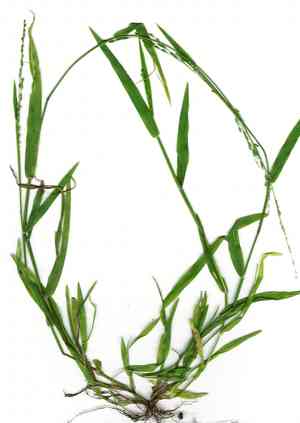
1
Wild rice grass is vital for maintaining soil stability and preventing land degradation in marshy regions.
2
It offers critical living space for numerous animal species, especially avian populations.
3
Wild rice grass is employed in water treatment systems because of its inherent filtering properties.
What Makes Rice cutgrass Distinctive?
Wetland Suitability
Rice cutgrass flourishes in damp conditions, making it an ideal solution for challenging, waterlogged sites where other flora struggle to survive. Its strong root structure helps stabilize the ground, preventing erosion and ensuring the land remains fertile and productive.
Natural Water Purification
A lesser-known advantage of Rice cutgrass is its capacity to filter contaminants from water. The plant's roots absorb pollutants, effectively cleansing water and enhancing the overall quality of aquatic environments. This positions Rice cutgrass as a vital element in both natural and engineered water purification systems.
How Does Rice cutgrass Benefit Wildlife?
Habitat for Birds and Aquatic Organisms
Rice cutgrass offers excellent concealment and nesting material for various bird species. It also supports aquatic life by providing sustenance and refuge for fish and invertebrates. This habitat provision is crucial for preserving biodiversity in wetland regions, contributing to healthier ecosystems overall.
Food Source for Insects and Animals
Beyond offering shelter, Rice cutgrass serves as a food source for numerous insects, which in turn attract birds and other wildlife. Its presence in an ecosystem can foster a balanced and flourishing food web, essential for ecological stability.
Practical Uses of Rice cutgrass
Soil Erosion Prevention
Due to its extensive root system, Rice cutgrass is highly effective in controlling soil erosion. It is frequently employed in restoration initiatives aimed at stabilizing riverbanks, shorelines, and other erosion-prone areas. The plantâs roots bind the soil together, preventing it from being carried away by water currents.
Aesthetic and Environmental Landscape Design
In addition to its functional advantages, Rice cutgrass is also valued for its visual appeal. Its vibrant green appearance makes it a popular choice for environmental landscaping projects. Whether utilized in artificial ponds, natural wetlands, or ornamental water gardens, Rice cutgrass adds a touch of natural beauty while simultaneously providing ecological benefits.
Can Rice cutgrass Improve Farming Methods?
Flood Mitigation
Rice cutgrass can be strategically planted in agricultural ditches and low-lying fields to reduce flooding. Its ability to absorb and channel water lessens the risk of flood damage to crops, making it an invaluable asset in flood-prone agricultural regions.
Soil Fertility Enhancement
By preventing soil erosion, Rice cutgrass helps maintain soil fertility. The plantâs root network holds the topsoil in place, ensuring that nutrients remain in the soil rather than being washed away. This contributes to more robust and productive agricultural lands.



