How to Transplant Langsat?
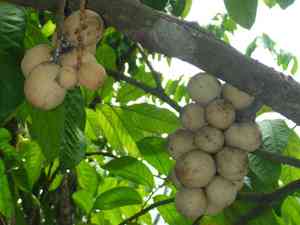
The most favorable period for transplanting langsat signifies a fresh start, coinciding with the onset of mid-spring. Select a location that receives dappled sunlight, guaranteeing sufficient hydration, and exercise caution with their root systems to prevent trauma.
What Preparations are Needed Before Transplanting Langsat?
What is the Ideal Time for Transplanting Langsat?
The onset of the warm season—when frost is no longer a concern—presents the optimal period for relocating langsat. Milder weather facilitates a smooth transition, reducing transplant stress.
How Much Space Should You Leave Between Langsat Plants?
Proper spacing significantly impacts your langsat plants! When moving them, aim for approximately 20-30 feet (6-9 meters) between each. This ensures ample room for their growth.
What is the Best Soil Mix for Langsat Transplanting?
Prepare an optimal environment for your langsat plants. They flourish in well-drained loamy soil. Incorporate an organic fertilizer base to enrich the soil's nutrients. A strong beginning leads to a bountiful yield!
Where Should You Relocate Your Langsat?
Select the sunniest spot for your langsat plants as they thrive in sunlight! Target a location with full sun exposure for optimal outcomes. This not only aids their development but also maintains their health.
What Equipments Should You Prepare Before Transplantation Langsat?
Gardening Gloves
To safeguard your hands from sharp debris and maintain cleanliness during the process.
Shovel or Spade
For excavating a hole and removing the plant from its original spot.
pH Test Kit
To verify the soil's pH level falls within the range preferred by langsat.
Watering Can or Garden Hose
For hydrating the plant during removal, preparing the new site, and after replanting.
Garden Trowel
To make minor adjustments to the planting hole.
Wheelbarrow
Useful for transporting the plant and soil, especially if the plant is mature and heavy.
Mulch
Helps retain soil moisture and keep the root area cool.
Compost
To introduce vital nutrients into the soil, crucial for the well-being of your langsat plant.
Transplant Fertilizer
This is optional; it can help lessen the shock of transplanting for the langsat.
How Do You Remove Langsat from the Soil?
How Do You Remove Langsat from the Soil?
From Ground: One or two days before transplanting, water the langsat to minimize stress. Dig around the plant with a spade, ensuring to extract a substantial portion of the root system with minimal damage. Pry the plant out with the shovel, making sure the root ball remains intact. If the langsat is too large, consider using a wheelbarrow for transport to its new location.From Pot: Water the langsat, then tilt the pot sideways. Gently tap the rim against a firm surface to loosen the root ball. Once sufficiently loose, slide the langsat out of the pot while keeping the root ball intact. If necessary, trim any roots that are circling at the bottom of the pot.From Seedling Tray: Moisten the tray, and carefully separate seedlings for transplanting. When lifting a langsat seedling, hold it by a leaf to avoid crushing or bruising the stem.
Step-by-Step Guide for Transplanting Langsat
Site Prepping
Once the location is chosen, clear any weeds or grass from the area. Then, dig a hole twice as wide and deep as the plant's root ball.
Soil Testing
Utilize your pH test kit to confirm the soil meets your langsat's preferred pH range. If not, modify the soil with lime to increase pH or sulfur to decrease it.
Plant Placement
Position your langsat in the center of the hole. The root ball should be level with or slightly above the surrounding soil to allow for settling.
Backfilling
Refill the hole with the excavated soil. Avoid compacting it tightly, as roots also require air.
Watering
Water thoroughly, ensuring the moisture penetrates deep into the root zone. This is crucial for the langsat's adjustment.
Mulching
Apply 2-3 inches of mulch around the langsat, leaving space around the stem. This aids in water conservation and moderates soil temperature.
How Do You Care For Langsat After Transplanting?
Watering
As a tropical fruit tree, langsat requires consistent and deep watering. You might need to water it more frequently in the initial weeks or during dry periods to help it establish.
Fertilization
Langsat is not a heavy feeder but benefits from some compost or organic matter mixed into the soil during transplanting. Afterward, maintain its health by lightly feeding it with a balanced fertilizer twice annually.
Pruning
Remove any dead or damaged branches during transplanting. In the future, prune the langsat regularly to maintain its form, encourage growth, and enhance fruit production.
Monitoring
Regularly inspect your langsat for indications of pest infestation or diseases. Early detection is vital for effective treatment.
Troubleshooting Common Issues with Langsat Transplantation.
When is the most auspicious time to transplant langsat?
The enchanting period of S1-S2 seasons is the perfect time to transplant langsat. It's the ideal season for the plant to establish roots.
What is the perfect distance to keep between each langsat while planting?
Ideally, each langsat should have a space of about 20-30 feet (6-9 meters). This distance is optimum for their growth.
How can I ensure successful transplantation of langsat?
Ensure the transplant hole is twice as wide and slightly shallower than the root ball. Position langsat so the top of the root ball is level with the ground.
What should I do if the langsat leaves start to wilt after transplanting?
Wilting can be a sign of transplant shock. Keep the plant well-watered, but avoid waterlogged soil. It should recover in a few weeks.
Why is my transplanted langsat not growing?
Langsat might be facing difficulty in establishing roots. Ensure it's watered properly, receives adequate sunlight and planted in well-drained soil
Should I prune langsat before transplanting?
Yes, pruning langsat before transplanting can help it direct its energies toward root development. Just ensure to not overdo it.
What type of soil is best for langsat transplantation?
Langsat prefers well-drained soil. Before transplanting, check if water drains readily from the planting hole. If not, consider amending the soil.
How can I minimize transplant shock in langsat?
Moisture is critical for a newly transplanted langsat. Water it thoroughly after transplanting, and continue with regular watering pattern.
Why are the leaves of my transplanted langsat turning yellow?
Yellowing leaves could mean overwatering. Remember, langsat needs to be watered regularly, but overwatering can cause root rot.
Can langsat be transplanted in a pot?
Yes, langsat can be transplanted in a pot. Make sure to choose a pot that is large enough to accommodate the plant's growth.



