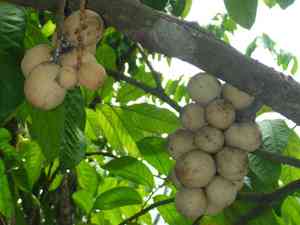
Langsat (Lansium domesticum)
Also known as: Longkong
The tamarind tree, indigenous to Southeast Asia, is widely grown for its versatile fruit. The fruit's tangy pulp can be enjoyed fresh, cooked, or transformed into products like jams, syrups, and candies for market sale. Additionally, tamarind trees play a crucial role in agroforestry, often integrated into animal farms and crop systems.
In This Article
Attributes of Langsat
Lifespan
Perennial
Plant Type
Tree
Plant Height
30 m
Spread
12 m
Leaf Color
Dark green
Flower Size
10 cm to 30 cm
Flower Color
White Yellow
Images of Langsat
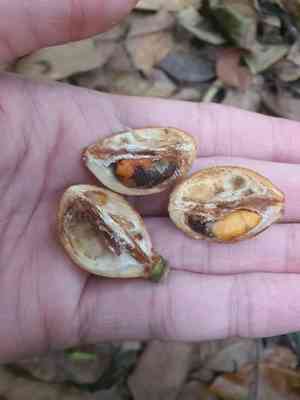
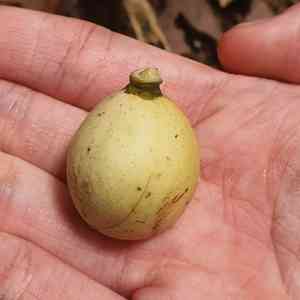
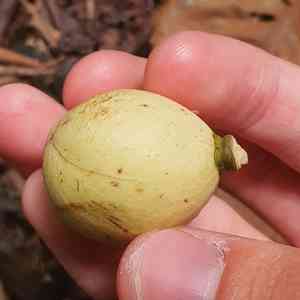
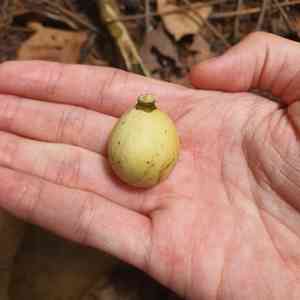
Quickly Identify Langsat
1
Identify Lansium domesticum by looking for a medium-sized tree with compound leaves, small round yellow fruits, and white translucent juicy flesh inside. The tree\'s bark is rough, and it produces clusters of flowers and fruits.
Scientific Classification of Langsat
Phylum
Vascular plants
Class
Dicotyledons
Order
Sapindales
Family
Mahogany
Genus
Lansium
Species
Langsat
Planting and Growing of Langsat
Care Difficulty
Hard
Watering Schedule
Every 4 days
Sunlight Requirements
Partial sun
Sunshine Duration
4-8 hours
Ideal Temperature
77-86℉
Soil Type
Potting Mix, Peat Mix
Soil pH
6-7.5
Fertilizer Type
Balanced
Pruning Season
Spring, Summer
Pruning Area
Branches, Leaves
Pruning Frequency
2 times a year
Repotting Season
Spring
Pot Type
Plastic, Ceramic
 How to Water Langsat?
Lansium domesticum, also known as langsat, requires consistent watering to thrive. The goal is to keep the soil moist without making it waterlogged. You should aim to pour around 500 ml of water each time, ensuring the soil is evenly damp but not soggy. Check that water seeps gently and uniformly down to the roots, which encourages healthier growth and prevents water stress.
What are the symptoms of an underwatered Langsat?
›
What should I do if my Langsat is not getting enough water?
›
What are the symptoms of an overwatered Langsat?
›
How to save an overwatered Langsat?
›
 What Are the Sunlight Requirements for Langsat?
Partial sun exposure allows Lansium domesticum to receive the necessary light for photosynthesis without the stress of direct, harsh sunlight. This balanced exposure aids in optimal growth, vibrant foliage, and prevention of light stress.
More About Sunlight Requirements Techniques→
Optimal Time of Day
›
Light Intensity Management
›
Environmental Adjustments
›
 What Is the Ideal Temperature Range for Langsat?
The ideal temperature range for Lansium domesticum growth is between 77°F and 86°F. This range supports optimal metabolic functions, ensuring vigorous growth and fruit production.
 What Soil is Best for Langsat?
Lansium domesticum thrives in well-drained soil as it prevents root rot by ensuring that excess moisture doesn't accumulate around the roots. This condition allows for healthier root development and better nutrient absorption. The soil should possess moderate fertility to support steady and balanced growth of Lansium domesticum. Proper nutrient levels in the soil lead to more robust foliage and optimized fruit production. A consistently moist soil environment is necessary for this plant's survival. It ensures that the roots remain hydrated, promoting strong development and preventing stress under hot conditions.
 How to Fertilize Langsat?
When fertilizing Lansium domesticum, it is essential to use a balanced fertilizer, either granular or liquid, at a rate of about 1 to 2 kg per mature tree annually. This amount ensures the tree receives adequate nutrients for optimal growth without risk of over-fertilization.
 How to Prune Langsat?
Before you start pruning, make sure you have sterilized pruning shears or loppers to prevent the spread of disease. Wear gloves to protect your hands from potential thorns or rough branches. Evaluate the tree to identify dead, diseased, or crossing branches that need removal. Begin by removing any dead or diseased wood to ensure the overall health of the plant. Focus on cutting back branches that are crossing or growing inward, as they can obstruct light and air circulation within the canopy. Trim back any overly long or out-of-place branches to maintain a balanced shape. Aim to keep an open center to allow light penetration.
More About Pruning Techniques→
 How to Propagate Langsat plant?
1
Begin by soaking Lansium domesticum seeds in lukewarm water for 24 hours. This softens the seed coat and encourages faster germination. After soaking, place them on a moist paper towel for an additional day to give them the best possible start.
2
Fill seed trays with a well-draining seed starting mix. Plant seeds approximately 1 inch deep and cover lightly with additional soil mix. Maintain consistent moisture levels and place trays in a warm, sunny location to enhance germination.
3
Select healthy scions and rootstocks. Using a sterilized grafting knife, make appropriate cuts on both. Ensure cuts match well for cambium to cambium contact. Wrap the graft union securely with grafting tape to protect and stabilize the graft.
 How to Repot Langsat plant?
1
Repot when you notice the roots becoming crowded and emerging from the drainage holes, indicating they’ve outgrown their current container. Additionally, if the soil is compacted, lacks proper drainage, or the plant shows stunted growth, it's a clear signal that repotting is due.
2
Choose a pot that is one size larger than the current one to allow ample room for root growth. A pot with good drainage holes is essential to prevent waterlogging, which can lead to root rot. The material of the pot can vary, but terracotta offers good breathability.
3
Opt for a well-draining loamy soil mix enriched with organic matter. This composition ensures proper moisture retention and provides necessary nutrients while preventing water stagnation, thereby promoting healthy root development and overall plant growth.
Learn More About Langsat Diseases
Anthracnose
Bacterial Leaf Spot
Bacterial Soft Rot
Bacterial Wilt
Crown Gall
Cyst Nematode
Damping-off
Drought Stress
Fusarium Wilt
Gray Mold
Leaf Curl
Leaf Spot
Mosaic
Nutrient Deficiency
Nutrient Toxicity
Powdery Mildew
Root Rot
Root-knot Nematode
Sooty Mold
Spider Mites
Temperature Stress
Thrips Damage
White Mold



