Enhancing Your Garden Design with the Langsat Plant: A Landscaping Guide
1
Langsat flourishes in soil that drains effectively and receives abundant sun.
2
Consistent care is crucial for maintaining Langsat's vitality and well-being.
3
Langsat complements numerous other plants wonderfully, improving your garden's general appearance.
Introducing Langsat for Outdoor Spaces
Quick overview of Langsat's features
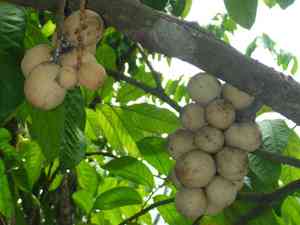
Langsat, with its rich leaves and charming fruit, offers an attractive element to any garden. This evergreen species can reach heights of 30 meters, featuring broad branches and thick foliage that provides ample shade. Its spherical, yellowish fruit grows in clusters, bringing a splash of color and visual appeal to the garden, while the tree itself is known for its hardiness and minimal upkeep, making it a staple in tropical and subtropical garden designs.
Why Langsat is suitable for garden design
Langsat's sturdy nature and visual appeal make it an excellent choice for landscape planning. It provides year-round greenery, which can serve as a background for seasonal flora, and its fruits attract diverse wildlife, boosting biodiversity in your garden. Furthermore, Langsat's adaptability to various soil types and low water needs means it can flourish even in less-than-ideal conditions, making it a versatile option for many gardeners.
Selecting the Ideal Spot for Langsat
Assessing light and shade requirements
Langsat thrives in locations with full sun to partial shade. Ensure the planting site receives at least six hours of sunlight daily to encourage robust growth and abundant yields. However, Langsat can tolerate partial shade, making it suitable for various areas of your garden, including those spots where direct sunlight is limited. Thoughtful placement of Langsat will allow it to thrive and significantly enhance your landscape design.
Soil composition and drainage considerations
For optimal development, Langsat needs well-drained soil. While it can adapt to various soil types, including sandy and loamy soils, adequate drainage is vital to prevent root rot. Improving the soil with organic matter and ensuring good drainage will create the perfect environment for Langsat to flourish. Regular monitoring of soil moisture levels and avoiding waterlogging can maintain the plant's health and vigor.
Incorporating Langsat into Your Garden Layout
Companion plants that complement Langsat
Adding companion plants around Langsat can enhance your garden's visual appeal. Tropical and subtropical plants like hibiscus, bougainvillea, and ferns pair well with Langsat, creating a lush and vibrant landscape. These plants thrive in similar conditions, making them ideal companions. Additionally, consider ground covers and flowering shrubs to enhance the visual layers and add color dynamics to your garden design.
Design concepts and aesthetics
Langsat seamlessly integrates into various garden design themes, from tropical havens to modern landscapes. Its structural beauty and foliage density are perfect for creating natural privacy screens or focal points in your garden. Highlight Langsat by positioning it centrally in your garden design or using it as a backdrop for more colorful plants. Incorporating hardscape elements like stone paths or wooden benches around Langsat can further enhance the garden's overall aesthetic and usability.
Langsat Care Tips for Your Landscape
General advice for keeping Langsat healthy
Maintaining Langsat involves consistent watering, especially during dry spells, and occasional feeding with balanced fertilizers. Pruning dead or damaged branches will stimulate new growth and improve overall plant health. Vigilantly checking for pests and diseases, and addressing them promptly, ensures that Langsat remains vibrant and resilient. Additionally, mulching around the base helps retain moisture and adds nutrients to the soil.
Seasonal care adjustments
Adjust care routines with seasonal changes to keep Langsat in prime condition. During the active growth period, increase watering and fertilization to support rapid growth and fruit development. In the colder months, reduce watering but maintain consistent soil moisture levels. Regularly inspect for pest infestations, particularly during warmer periods when they are most active, and apply appropriate treatments to protect your plant.



