How to Prune Langsat?
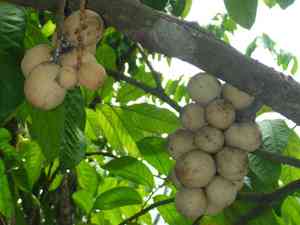
This evergreen tree, native to the tropics, is renowned for its groupings of spherical, yellow fruits. Optimal trimming for langsat involves reducing thick foliage, eliminating deceased or ailing branches, and shortening excessively long branches to preserve its form. The most suitable period for pruning is in spring, immediately preceding the active growth phase, to encourage robust development and fruit yield. For langsat specifically, meticulous pruning guarantees sufficient light exposure and air movement, both crucial for fruit excellence and averting fungal infections.
What Are the Benefits of Pruning Langsat?
What Are the Benefits of Pruning Langsat?
Trimming langsat promotes healthier, more robust development, leading to an increased fruit yield. It aids in maintaining the desired form and dimensions, preventing the plant from becoming overgrown. This routine upkeep can also enhance resistance against pests and diseases.
What Is the Best Time for Pruning Langsat?
What Is the Best Time for Pruning Langsat?
Late winter to early spring is considered the optimal period for pruning langsat to ensure the removal of any dead or diseased wood prior to new growth. This timing coincides with the phase just before langsat's growth cycle begins. Pruning at this stage can stimulate fresh growth, which benefits from the forthcoming spring conditions favorable for plant vitality and development. Furthermore, pruning during this interval minimizes infection risk, as plant wounds can heal more rapidly with the increase in temperature and humidity that accompanies spring. This timing also conveniently precedes the flowering and fruiting period of langsat, thereby protecting the subsequent harvest from being negatively impacted by the pruning process.
What Tools Do I Need to Prune Langsat?
Hand Pruners
Perfect for trimming small branches, twigs, and suckers, this tool enables gardeners to make precise cuts and maintain the health and shape of langsat.
Loppers
Given its larger size and thicker branches, langsat may require greater cutting force, which loppers provide, allowing for improved reach and leverage during pruning.
Pruning Saw
A pruning saw is essential for cutting through the larger branches of langsat that hand pruners and loppers cannot manage, ensuring clean and efficient cuts.
How to Prune Langsat
Clean Tools
Before beginning, sanitize pruning tools using a bleach or alcohol solution to prevent disease transmission to langsat.
Inspect langsat
Thoroughly examine langsat to identify dead or diseased branches, which may appear withered, discolored, or show signs of fungal growth.
Cut Dead Branches
Make clean cuts on dead branches of langsat close to the trunk or main branch, being careful not to harm the branch collar. Use sharp pruning shears or a saw, depending on branch thickness.
Prune Diseased Branches
Carefully remove diseased branches from langsat, cutting well below the affected area to ensure the disease does not spread. Seal cuts with a tree wound dressing where appropriate.
Dispose Offcuts
Discard or burn the removed branches immediately to prevent any potential disease from affecting langsat or other plants.
Common Pruning Mistakes with Langsat
Over-Pruning
Removing too much foliage at once can stress langsat, leading to poor growth or even plant death. It's a common error to believe that more aggressive pruning will result in faster growth.
Improper Cutting Technique
Incorrect cutting methods can result in jagged wounds that are difficult for langsat to heal, making it vulnerable to infections and pests.
Neglecting Tool Hygiene
Using dirty pruning tools can introduce diseases to langsat. Novice gardeners often overlook the importance of sterilizing their equipment before use.
Pruning Too Early
Initiating pruning before langsat has established a strong root system can hinder its development. Both novice and experienced gardeners may become overeager to shape the plant too soon.
Ignoring Deadwood
Failing to regularly remove dead or diseased branches from langsat can impede its growth and health. This common mistake can result in an unkempt appearance and poor air circulation within the plant.
Common Pruning Tips for Langsat
Selective Pruning
Focus on selectively removing only dead or excess branches. This encourages better air circulation and light penetration throughout the canopy of langsat.
Sharp And Clean Tools
Use sharp, clean pruning shears or saws to ensure clean cuts that langsat can heal quickly from, reducing the risk of disease.
Cutting At The Right Place
Make cuts just above a leaf node or bud to promote healthy new growth in langsat. Avoid leaving long stubs as they can attract pests.
Protective Measures
Immediately after pruning, apply a protective sealant to the cut surfaces of langsat to help prevent infections from entering the open wounds.
Periodic Assessment
Regularly check langsat for signs of overcrowding or crossing branches, and address these issues promptly to maintain plant health and aesthetic form.



