How to Propagate Langsat?
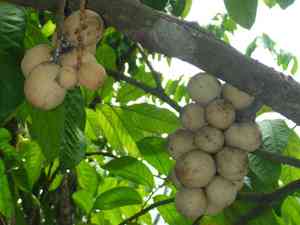
A significant tropical fruit species, langsat, is frequently multiplied using the grafting technique. This approach offers a dependable means to preserve the advantageous characteristics of the progenitor plant. Effective propagation necessitates choosing robust scion material from an established, fruit-producing tree and joining it to rootstock specifically grown for its strength and immunity to ailments. Securing the graft junction and providing appropriate post-grafting care, including regulating hydration and shielding from harsh environmental factors, are crucial for the successful integration and development of langsat.
What Is the Best Time To Propagate Langsat?
Propagation Type
Grafting
Propagation Season
Spring,Winter
What Tools Are Used in Langsat Propagation?
Grafting knife
A sharp, precise grafting knife is crucial for clean and accurate cuts during langsat grafting. This tool ensures the scion and rootstock fit perfectly, vital for successful union and healing. Clean cuts from a high-quality grafting knife reduce disease risk and improve grafting success.
Grafting tape or strips
Grafting tape secures the scion to the rootstock after joining. It maintains alignment and pressure for proper vascular tissue fusion in langsat. The tape is stretchy and moisture-resistant, protecting the graft joint from elements and pathogens, allowing natural growth and eventual degradation as it heals.
Rooting hormone (optional for enhanced adhesion)
While not always essential, rooting hormone can promote better adhesion and faster healing in grafted langsat areas. It stimulates tissue growth at cut surfaces, increasing successful graft chances. This is especially useful for weaker or less vigorous specimens that might struggle to heal independently.
Disinfectant for tools
Disinfecting grafting tools before and after use is vital to prevent disease spread between plants. This is particularly important for langsat, as disease transmission can compromise graft success and overall plant health. Proper disinfection ensures the grafting process doesn't introduce pathogens to cut surfaces.
How to Propagate Langsat?
Propagation Type
Moderately Difficult
How to Care for Your Newly Propagated Langsat?
How to Care for Your Newly Propagated Langsat?
Once the graft has taken, usually indicated by new leaf growth from the scion, gradually expose the plant to more sunlight. Continue to monitor soil moisture and maintain moderate watering, avoiding direct wetting of the foliage. Fertilize lightly with a balanced fertilizer to support growth, but avoid heavy feeding which can stress the new plant. Regularly inspect for pests and diseases, as young grafts can be vulnerable. With proper care, langsat will begin to bear fruit in several years.
Common Mistakes to Avoid When Propagating Langsat
Incorrect soil medium
Using a soil medium that lacks proper drainage can lead to root rot in langsat.
Overwatering
Excessive water can suffocate langsat's roots, hindering healthy growth and increasing fungal disease risk.
Neglecting hygiene
Using contaminated tools or pots without proper sterilization can introduce pathogens, potentially harming or killing young langsat plants.
Incorrect cutting size
Taking cuttings that are too small or too large may impede rooting success and overall vigor of langsat.
Planting depth
Planting langsat cuttings too deeply can hinder sprouting, while too shallow planting can cause them to dry out.
Tips For Propagating Langsat
Proper soil medium
Utilize a well-draining soil mix rich in organic matter to give langsat the best start.
Controlled watering
Maintain a balance by keeping the soil moist but not waterlogged to encourage healthy root development in langsat.
Hygiene practices
Always sterilize tools and pots before use to minimize disease risk in langsat propagation mediums.
Optimal cutting size
Select cuttings that are neither too small nor too large, generally about 6 to 8 inches, to improve the chances of successful rooting in langsat.
Appropriate planting depth
Ensure the cuttings of langsat are planted at the correct depth to facilitate sprouting and prevent desiccation.



