How to Transplant Greek juniper?
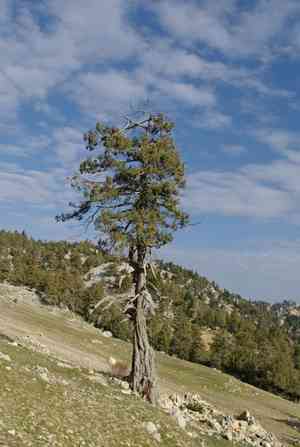
For Juniperus excelsa, the optimal period for relocation extends from early spring to the onset of summer. Preferred environmental conditions encompass adequately drained substrates and ample sunlight. Careful manipulation of the root system during transplantation facilitates improved establishment.
What Preparations are Needed Before Transplanting Greek Juniper?
What is the Ideal Time for Transplanting Greek Juniper?
The optimal period for relocating greek juniper extends from the gentle start of spring, after the ground thaws, to the approach of mid-summer's warmth. This timeframe, characterized by gradually increasing temperatures and moderate rainfall, provides an excellent environment for root development without the strain of extreme weather, allowing greek juniper ample opportunity to adapt and strengthen before autumn's chill. Choosing to move your greek juniper during these months ensures its roots have the best chance for a vigorous beginning, promoting a lush, healthy future for your enduring plant.
How Much Space Should You Leave Between Greek Juniper Plants?
When moving greek juniper, aim for ample room. Position them roughly 10-15 feet (3-4.6 meters) apart. This provides each plant sufficient space to expand and prevents overcrowding, especially considering their eventual full size.
What is the Best Soil Mix for Greek Juniper Transplanting?
For greek juniper, prepare the bed with soil that drains well; a blend of loam and sand often yields excellent results. Boost their initial growth with a balanced, slow-release fertilizer â consider it a foundational nutrient supply for your perennials.
Where Should You Relocate Your Greek Juniper?
Select a sunny spot in your garden for greek juniper, receiving at least 6 hours of sunlight daily. Greek juniper thrives in sunlight, and a brightly lit location will help it flourish and display its vibrant green hue!
What Equipments Should You Prepare Before Transplantation Greek Juniper?
Gardening Gloves
To safeguard your hands while handling soil and plants.
Shovel or Spade
For excavating the greek juniper and preparing the new planting site.
Hand Trowel
For minor adjustments and refining the planting hole.
Watering Can or Hose
To hydrate the greek juniper before and after the relocation process.
Pruning Shears
To trim any damaged roots or branches if necessary.
Measuring Tape
To ensure correct spacing from other plants and structures.
Wheelbarrow
To transport the greek juniper and soil to and from the new planting location.
Mulch
To apply around the base of the greek juniper post-transplant to retain moisture and inhibit weed growth.
How Do You Remove Greek Juniper from the Soil?
How Do You Remove Greek Juniper from the Soil?
From Ground: First, moisten the greek juniper's soil to make it easier to work with. Dig a wide trench around the plant using a shovel or spade, being careful not to harm the root ball. Gently lift the greek juniper from the ground once its root ball is sufficiently detached from the surrounding soil.From Pot: Water the greek juniper to loosen its root ball. Tilt the container on its side and gently tap or press the sides to help release the plant. If needed, use a hand trowel to loosen the soil along the pot's edges. Carefully slide the greek juniper out, supporting the root ball.From Seedling Tray: Dampen the soil to minimize root disturbance. Use a hand trowel or similar tool to carefully extract the seedling from the tray while supporting the root ball with your hand, ensuring minimal root damage.
Step-by-Step Guide for Transplanting Greek Juniper
Transplanting Time
Choose a cool or overcast day for moving the greek juniper to lessen stress on the plant during the relocation.
Plant Hole
Excavate a hole in the ground that is twice as wide and the same depth as the greek juniperâs root ball. Loosen the soil at the bottom of the hole.
Root Inspection
Examine the greek juniper's root ball, trimming any broken or excessively long roots with pruning shears.
Positioning greek juniper
Place the greek juniper in the center of the hole, ensuring it stands upright. The top of the root ball should be level with the surrounding ground.
Filling In
Carefully backfill the hole with soil, gently firming the soil around the greek juniper to remove air pockets.
Watering
Water the greek juniper thoroughly after planting to help settle the soil around its roots.
Mulching
Apply a layer of mulch around the base of the greek juniper, making sure to leave some space around the trunk to prevent rot.
How Do You Care For Greek Juniper After Transplanting?
Watering
Provide consistent moisture for the greek juniper, especially during the initial growing season post-transplant, to aid root establishment.
Mulch Maintenance
Maintain the mulch layer to conserve moisture but regularly check to ensure it's not pressing against the greek juniper's trunk.
Pruning
For the first year, only prune broken or dead branches to help the greek juniper focus its energy on root development.
Inspecting
Regularly examine the greek juniper for signs of stress, such as wilting foliage or discoloration, to address any issues promptly.
Troubleshooting Common Issues with Greek Juniper Transplantation.
When is the best time to transplant greek juniper?
The optimal period for relocating greek juniper is from mid-spring through early summer, allowing roots to establish before cold weather.
What spacing is needed between greek juniper when transplanting?
Ensure ample room; ideal spacing is between 10-15 feet (3-4.5 meters) for healthy growth.
Why is my transplanted greek juniper showing signs of wilting?
Wilting may indicate transplant shock. Ensure greek juniper is well-hydrated and shielded from strong winds or direct, intense sunlight initially.
How deep should I plant greek juniper during transplantation?
The root ball of greek juniper should be planted so its top is level with the surrounding soil surface, not deeper.
Can I transplant greek juniper during fall or winter?
Moving greek juniper during cooler seasons than recommended could stress the plant, potentially leading to poor root establishment or frost damage.
How do I prepare the soil for transplanting greek juniper?
Before transplanting, enrich the soil with organic matter to enhance drainage and fertility, suited to greek juniper's requirements.
How much should I water greek juniper after transplanting?
Post-transplant, water greek juniper deeply to encourage root growth, but avoid waterlogging the soil; consistent moisture is crucial.
Should I prune greek juniper when transplanting?
Minimal pruning can be done to remove damaged or dead branches, but avoid heavy pruning to prevent stressing greek juniper.
What should I do if greek juniper's leaves turn yellow after transplanting?
Yellowing leaves might suggest overwatering or poor drainage. Check moisture levels and provide well-draining soil for greek juniper.
How often should I check greek juniper's progress post-transplant?
Monitor greek juniper frequently, at least weekly, for signs of distress or growth, and adjust care as needed.



