Enhancing Your Garden Design with the Greek juniper Plant: A Landscaping Guide
1
The Greek juniper is a adaptable plant suitable for diverse landscape aesthetics, ranging from structured gardens to contemporary, understated designs.
2
This juniper variety tolerates dry conditions, making it a sensible option for gardens located in regions with limited precipitation.
3
Adding Greek juniper to your garden contributes to local ecological diversity and offers numerous ecological advantages.
Appreciating the Visual Appeal of Greek Juniper
Examining the distinct form and structure of Greek juniper
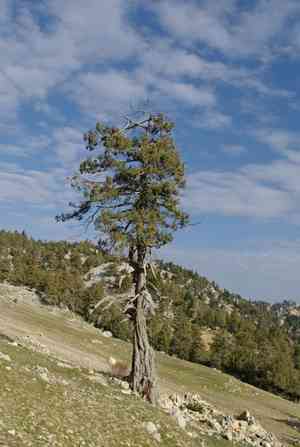
The unique form and structure of Greek juniper make it a prominent element in any garden. Its sharp, angular silhouette and robust, upright growth habit offer a striking visual contrast to softer, rounded plants. This distinctive look can serve as a focal point in your landscape design, drawing attention and adding an architectural dimension.
Seasonal color changes
Greek juniper offers dynamic visual interest through its seasonal color shifts. In spring and summer, its foliage displays rich, vibrant green hues. As autumn approaches, the leaves may adopt a more subdued, bronze shade, enriching the garden's palette. Even in winter, Greek juniper maintains its presence with a more muted yet still attractive color. This seasonal variation ensures your garden remains visually engaging throughout the year.
How Greek juniper complements other plants
Greek juniper complements a wide array of other plants due to its adaptable nature. Pairing it with flowering shrubs or perennial blooms enhances the overall garden design by providing a strong contrast in texture and form. Furthermore, Greek juniper can serve as a backdrop for smaller plants or as a companion to other evergreens, creating layers and depth in your garden landscape.
Integrating Greek Juniper into Various Landscape Styles
Pairing Greek juniper with formal garden designs
In formal garden layouts, Greek juniper excels due to its structured and symmetrical growth pattern. It can be used in hedges, topiary shapes, or as a solitary specimen plant to achieve a neat, precise aesthetic. Its ability to tolerate frequent pruning makes it an ideal choice for maintaining the clean lines and geometric forms characteristic of formal gardens.
Creating contrast in informal or cottage-style gardens
For a more informal or cottage-style garden, Greek juniper acts as an excellent contrasting element. Its bold, architectural form can balance the more whimsical and free-flowing shapes of cottage garden plants. This contrast establishes a sense of equilibrium and coherence, preventing the garden from appearing overly chaotic while maintaining an overall relaxed and inviting ambiance.
Using Greek juniper in modern, minimalist landscape designs
In modern, minimalist landscapes, Greek juniper can be a central feature due to its striking simplicity and low-maintenance qualities. Its clean lines and commanding presence align well with the understated aesthetic of minimalist design. Greek juniper's capacity to stand alone or be grouped in small clusters without additional ornamentation highlights the sleek and sophisticated essence of modern garden design.
Practical Advantages of Greek Juniper in Landscaping
Drought tolerance and minimal water needs
Greek juniper is renowned for its drought resistance and low water requirements, making it a practical choice for gardeners in arid or water-scarce regions. This resilience ensures your garden stays lush and green even during dry periods, reducing the need for frequent irrigation and thus conserving water resources.
Care guidelines for a thriving Greek juniper
Maintaining a healthy Greek juniper involves a few straightforward steps. Ensure it is planted in well-draining soil and receives ample sunlight. Regular pruning helps preserve its shape and promotes vigorous growth. Additionally, occasional deep watering, especially during extended dry spells, can encourage stronger root development. By following these simple care tips, you can enjoy a vibrant and healthy Greek juniper in your landscape.
Longevity and resilience in diverse climates
Greek juniper is recognized for its longevity and durability across various climates. Whether planted in hot, dry areas or cooler environments, it adapts well and continues to flourish. This robust nature ensures that your investment in landscaping with Greek juniper will provide long-term benefits and lasting beauty in your garden.
Ecological Benefits of Incorporating Greek Juniper in Your Garden
Contribution to local ecological diversity
Including Greek juniper in your garden enhances local biodiversity by offering habitat and sustenance for various insect species. This increased biodiversity fosters a healthier garden ecosystem, contributing to the overall resilience and sustainability of your landscape.
Supporting local wildlife with Greek juniper
Greek juniper supports local wildlife, providing shelter and nesting sites for birds and small mammals. Its berries offer a valuable food source during different seasons, helping sustain local fauna and promoting a balanced garden environment.
Improving air quality and other environmental advantages
Planting Greek juniper contributes to improved air quality by absorbing carbon dioxide and releasing oxygen. Its dense foliage also helps capture dust particles, further enhancing the air quality in your garden. Moreover, Greek juniper aids in reducing soil erosion and supports water retention, boosting the overall environmental health of your landscape.



